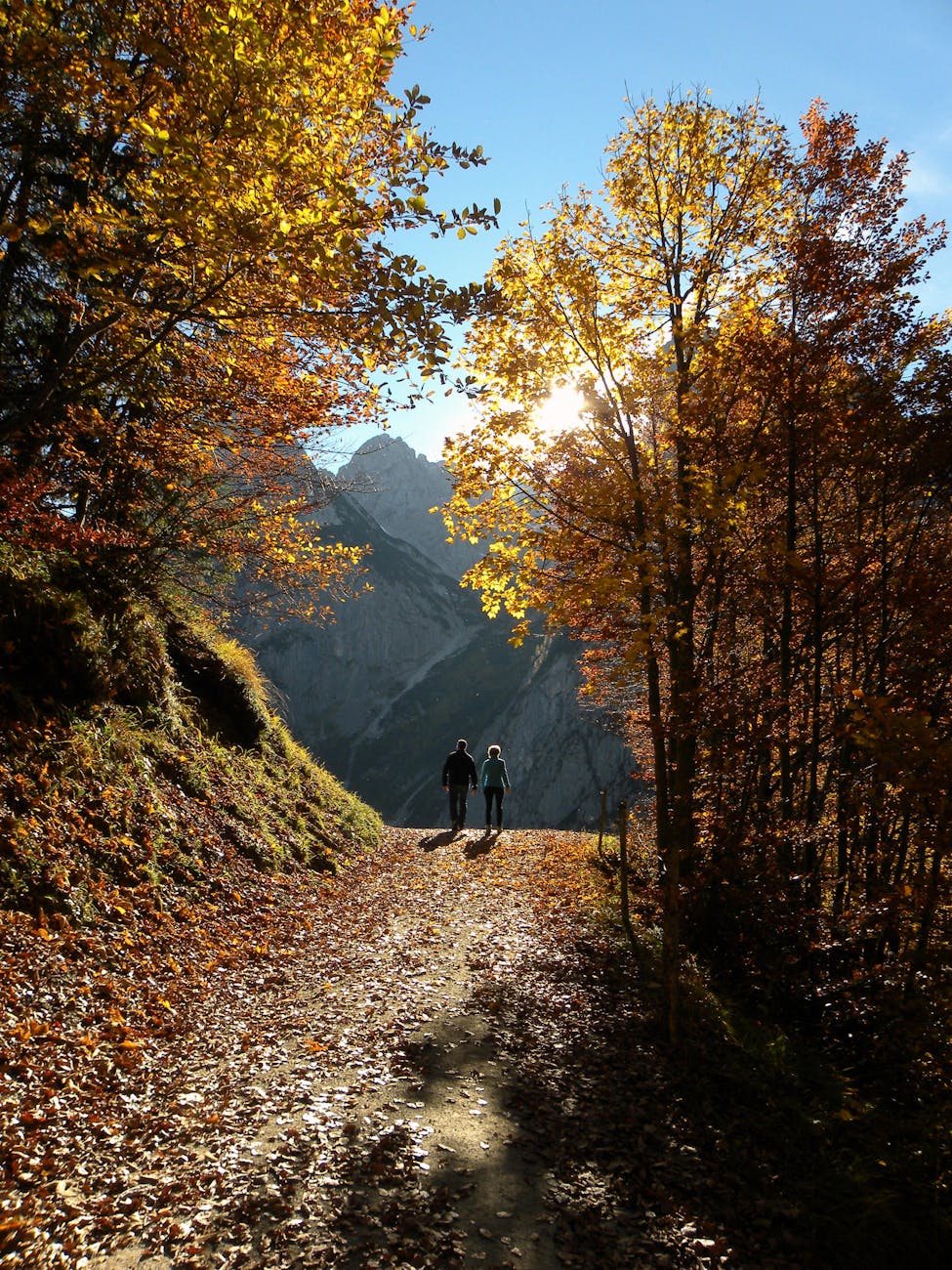
As the summer heat fades and cooler, crisper air sets in, fall becomes an ideal time to refresh your fitness routine. Whether you’re an avid exerciser or just getting started, autumn offers plenty of opportunities to stay active outdoors while enjoying the beauty of the changing season. From hiking to outdoor yoga, the fall months provide a perfect backdrop for fitness activities that are both invigorating and enjoyable. Here are some ideas for staying active this fall while taking advantage of the weather and seasonal scenery.
1. Hiking and Nature Walks
Fall is the perfect time to hit the trails and enjoy the vibrant autumn foliage. Whether you’re exploring local parks, nature reserves, or mountain trails, hiking is a fantastic full-body workout that allows you to connect with nature while improving cardiovascular health.
- Health Benefits: Hiking improves endurance, strengthens muscles, and promotes cardiovascular health. The varied terrain also engages your core and leg muscles, giving you a more comprehensive workout than walking on flat surfaces.
- Tip: Dress in layers, as fall temperatures can change quickly. Make sure to bring a water bottle and choose footwear with good grip for potentially damp or slippery paths.
If you prefer a more relaxed pace, nature walks are an excellent way to stay active while taking in the sights and sounds of fall. They’re a great alternative to intense hikes, especially for beginners or families.
2. Running in the Crisp Autumn Air
Running during the fall is often more enjoyable than during the summer, thanks to cooler temperatures and scenic routes filled with changing leaves. Whether you’re a seasoned runner or just starting out, fall offers the perfect environment for outdoor running.
- Health Benefits: Running improves cardiovascular health, burns calories, and strengthens your lower body. Running outdoors also boosts your mental health by reducing stress and increasing your exposure to fresh air and natural surroundings.
- Tip: Use fall as an opportunity to sign up for a local 5K or charity run. Many communities host autumn-themed races, such as “Turkey Trots,” which can keep you motivated and add a sense of accomplishment to your routine.
3. Outdoor Yoga and Stretching
Take your yoga practice outdoors this fall to embrace the peaceful, serene surroundings of nature. Practicing yoga in a park, your backyard, or even on a quiet trail allows you to feel more connected to the environment while benefiting from the calming effects of mindful movement.
- Health Benefits: Yoga improves flexibility, balance, and core strength while reducing stress and promoting mental clarity. Stretching in the cooler air can help prevent injuries and increase circulation, making it an excellent activity before or after a more intense workout.
- Tip: Bring a thicker yoga mat to stay warm on cooler surfaces. Fall is also a great time to practice grounding poses, such as Tree Pose or Warrior II, which encourage stability and balance, mirroring the changes in nature.
4. Cycling and Mountain Biking
Cycling is a low-impact exercise that allows you to cover more distance while enjoying the fall scenery. Whether you prefer road biking or mountain biking, fall provides a refreshing change from summer’s heat, with cooler weather making longer rides more comfortable.
- Health Benefits: Cycling builds leg strength, enhances cardiovascular endurance, and improves joint mobility. Mountain biking also engages your core and upper body as you navigate challenging terrain, making it a full-body workout.
- Tip: Invest in gloves, as fall weather can make your hands cold during longer rides. Always wear a helmet and follow proper safety guidelines, especially if you’re biking in areas with fallen leaves or wet paths.
5. Group Sports and Outdoor Games
Fall is a great time to gather friends and family for outdoor sports and games. Whether it’s a casual game of soccer, flag football, or even Frisbee in the park, playing group sports is a fun way to stay active and enjoy the crisp air.
- Health Benefits: Group sports help improve coordination, build strength, and enhance cardiovascular fitness. They also offer the added benefits of social interaction, teamwork, and mental well-being through fun and friendly competition.
- Tip: Take advantage of community sports leagues that often start up in the fall. These leagues can include everything from softball to touch football and are a great way to stay active while making new connections.
6. Fall-Themed Outdoor Boot Camps
Many fitness instructors offer seasonal outdoor boot camps, incorporating fun, fall-themed workouts in parks or open spaces. These high-intensity interval training (HIIT) sessions usually involve a mix of cardio, strength training, and bodyweight exercises, all while surrounded by the beauty of fall.
- Health Benefits: Boot camp workouts are designed to improve cardiovascular fitness, burn calories, and build muscle strength. The variety of exercises also prevents boredom and challenges different muscle groups.
- Tip: Wear breathable layers, as you’ll likely warm up quickly during intense exercises. Bring a water bottle and a towel, as outdoor boot camps can get sweaty even in cooler weather.
7. Kayaking or Paddleboarding in Cooler Waters
Fall can also be an ideal time to hit the water for activities like kayaking, canoeing, or paddleboarding. The calm waters and cooler temperatures make for a serene and peaceful workout while allowing you to take in the stunning fall scenery from a different perspective.
- Health Benefits: Kayaking and paddleboarding engage your core, shoulders, arms, and back, making them great upper-body workouts. These activities also promote balance and coordination while providing a low-impact, relaxing way to stay active.
- Tip Wear moisture-wicking clothing and a lightweight jacket, as the water can be cooler during fall. Always follow safety guidelines, including wearing a life jacket, especially in unpredictable fall weather.
8. Gardening and Yard Work
Though many associate gardening with spring and summer, fall is also a great time for outdoor yard work. Raking leaves, planting fall flowers, or preparing your garden for winter are excellent ways to stay active while being productive outdoors.
- Health Benefits: Gardening and yard work burn calories, build strength, and improve flexibility, all while providing the added mental benefits of spending time in nature.
- Tip: Incorporate squats and lunges as you pick up leaves or plant bulbs to make the most of your movements. Stretch before and after to prevent stiffness, as cooler weather can make muscles tighter.
9. Outdoor Circuit Training
Create your own outdoor workout circuit using the natural elements around you. Parks, playgrounds, and even your own backyard can serve as settings for exercises like step-ups, push-ups, jumping jacks, and lunges.
- Health Benefits: Circuit training is a full-body workout that improves cardiovascular health, burns calories, and builds muscle strength. The variety of exercises in a circuit helps target different muscle groups while keeping your heart rate elevated.
- Tip: Use park benches, tree stumps, or playground equipment for exercises like tricep dips, incline push-ups, or step-ups. Bring along a resistance band or lightweight dumbbells to increase the challenge.
Final Thoughts: Make the Most of Fall Fitness
Fall offers a unique opportunity to refresh your fitness routine, thanks to the cooler temperatures, stunning scenery, and abundance of outdoor activities. Whether you’re taking a peaceful hike through the woods, enjoying a brisk run in the crisp air, or practicing yoga amidst the changing leaves, fall fitness can be both invigorating and calming. With the right layers, a few adjustments to your routine, and a focus on seasonal activities, you can stay active and energized throughout the season.
Staying fit in the fall isn’t just about physical health; it’s also about boosting mental well-being by enjoying the beauty of nature and embracing the changes the season brings. Take advantage of this time to explore new activities, enjoy the outdoors, and set yourself up for a healthy, happy season ahead.
Like this:
Like Loading...