Samantha Hanson, LPC, ATR, Clini-Coach®
How are typical sessions run?

Therapy sessions can vary widely depending on the therapist and client. Each session is shaped by the unique perspectives, experiences, and needs that both parties bring to the table. In my practice, my approach centers on having a conversation—one that’s open, flexible, and client-led.

I usually begin with a simple question: How are you doing since our last session? From there, I’ll ask if anything has come up they’d like to discuss or focus on, or where they’d like to start. Early in my career, I noticed that walking into a session with assumptions about what a client might want to talk about—or what activity they might want to engage in, like art or games—often made it harder to find a natural flow.

Now, I’ve adjusted my approach. I keep a variety of materials on a shelf near or above the table—art supplies, games, and other creative tools—but they’re not taking up the client’s space. They’re there if wanted, and I may rotate items depending on who’s coming in that day. On the table itself, I always have tissues, a small container of candy (seasonally themed), and hand sanitizer—simple touches that make the space welcoming and practical.

Most clients choose to talk and perhaps fidget with something small rather than dive into a creative activity, and that’s perfectly okay. The creative materials are always available, and sometimes I’ll suggest trying something different, depending on where a client is in their journey or how sessions have been going.

For many, the idea of creating can feel overwhelming when life’s stressors are flaring up. While I’m passionate about creating and know firsthand the therapeutic benefits it offers, I understand that it’s not always what someone needs in the moment. Even in my personal life, I sometimes find it hard to pull out art supplies or finish a project when I’m feeling stressed. Keeping that in mind helps me remain mindful of what I suggest to clients, whether we’ve been working together for years or are just getting started.

People occasionally ask about homework, wanting more structure between sessions. I’m happy to provide tools, worksheets, or book recommendations with a little time to research and find what’s most appropriate. Still, it’s ultimately the client’s responsibility to engage with these materials outside of our sessions, as our time together is limited. Often, clients have a lot happening in their lives and aren’t able to complete journaling, worksheets, or reading. That’s okay! I remind them these tools are available if they’re helpful, but if not, it’s not detrimental to their progress. We can revisit these resources together at another time, especially if we find ourselves with fewer pressing matters to discuss.

At this point in my career—nearly 12 years as a licensed therapist—I’ve learned that flexibility, presence, and client-centered care are key. Therapy isn’t one-size-fits-all, and every session is an opportunity to meet the client where they are.

How about you? If you’ve experienced therapy, what made your sessions feel most supportive or effective? And if you’re considering starting, what would you want a session to look like for you?


Art as a Tool for Boundary Setting and Self-Care

Using Art as a Tool for Boundary Setting and Emotional Growth

Art offers an incredible medium for self-expression, and its benefits extend far beyond creativity. One unique application is using art as a tool for boundary setting, helping individuals visually communicate their need for space and protection. By engaging in creative practices, people can explore their inner worlds, strengthen their emotional resilience, and gain insights into their personal and relational dynamics.

Art and Boundary Setting: A Visual Affirmation

Setting boundaries is an essential act of self-care, yet many struggle to articulate their needs verbally. Art provides a powerful alternative, allowing individuals to express their boundaries symbolically. For example, creating a piece of art that represents your personal space—perhaps using circles to signify protection or specific colors to evoke calmness and strength—can serve as a visual affirmation of your right to emotional safety. Displaying this piece in a prominent place can act as a daily reminder of your commitment to self-care and the importance of maintaining healthy boundaries.

In intuitive art workshops led by licensed professionals, participants can explore this concept further. Guided prompts might include creating an artwork that visually maps out personal space or depicts the emotional energy they want to preserve. These exercises encourage self-awareness and foster a sense of empowerment in protecting one’s emotional well-being.

The Link Between Color Therapy and Mood Regulation

Colors play a crucial role in shaping our emotions and mental states. By consciously integrating color into their artwork, individuals can influence their mood and energy levels. For example, blue is known for its calming properties, red can energize and invigorate, and yellow often evokes happiness and optimism.

In workshops or personal practice, participants might be encouraged to create a color-focused piece of art based on how they wish to feel. For instance, someone seeking tranquility might explore shades of blue and green, layering these colors in abstract patterns to evoke a sense of calm. This intentional use of color not only enhances the artistic process but also provides a tangible way to regulate emotions and improve mental clarity.

Exploring Family Dynamics Through Art

Art can also serve as a safe medium for navigating complex family relationships. When words fail, creating artwork can help individuals express unspoken feelings and gain new perspectives. For example, participants might be guided to create a piece that symbolizes their relationship with a family member, focusing on the emotions involved rather than the physical likeness. A bridge, for instance, can serve as a metaphor—symbolizing whether a relationship feels sturdy, supportive, and connected, or if it seems fragile, broken, or in need of repair.

This process allows for a nonverbal exploration of family dynamics, helping individuals uncover underlying patterns and emotional truths. In a supportive workshop environment, participants can reflect on their creations and, with the guidance of a licensed professional, explore pathways to healing and improved communication.

Reframing Identity Through Art: From ‘Stuck’ to ‘Evolving’

Life transitions often challenge our sense of self, leaving us feeling stuck or uncertain. Art provides a powerful way to reframe identity, offering a visual representation of personal growth and transformation. Participants might be encouraged to create a piece that reflects their current stage in life and their aspirations for the future.

For example, someone transitioning into a new career might use bold, dynamic shapes to represent growth and exploration, while softer, interconnected forms could symbolize relationships and stability. This exercise not only fosters self-awareness but also inspires a sense of agency and optimism about the future.

woman in red t shirt looking at her laptop
Photo by Andrea Piacquadio on Pexels.com

Creative Mindfulness: Opening the Subconscious

In these workshops, mindfulness practices often play a key role in preparing participants for the creative process. Incorporating creative mindfulness techniques—such as focusing on textures or allowing the hand to move freely—helps participants connect with their subconscious mind. Humor is sometimes used to break the ice and ease expectations, creating a welcoming space where individuals feel comfortable exploring their inner worlds.

By combining mindfulness with artistic expression, participants can dissolve emotional barriers, gain clarity, and embrace their authentic selves.

Investing in Your Emotional Growth

While the financial cost of professionally guided workshops may be higher than self-guided efforts, the benefits are trans-formative. Led by licensed professionals, these sessions offer expert guidance, tailored prompts, and a supportive community environment. Participants often leave not only with a finished piece of art but also with a deeper understanding of themselves and actionable tools for personal growth. However with personal growth, it’s essential to recognize that exploring the subconscious can evoke strong and sometimes unexpected feelings. This is where the support of a trained art therapist becomes invaluable. Art therapy offers a unique and safe space to navigate these emotions and vulnerabilities. A skilled art therapist can guide you through the process of self-expression, helping to uncover and process deep feelings that may arise, ensuring that you have the tools and support to handle what comes up in a healthy, manageable way.

Whether you’re looking to set boundaries, navigate family dynamics, or reframe your identity, using art as a tool for emotional exploration offers a path to healing and empowerment. These workshops provide a structured yet creative environment for uncovering insights and fostering lasting change, making them a valuable investment in your well-being.

woman in white top looking at corkboard
Creating Your ‘Future Self’ Through Vision Boards and Art

Creating Your ‘Future Self’ Through Vision Boards and Art

woman in white long sleeve shirt holding pink and white floral textile
Photo by Mikhail Nilov on Pexels.com

The power of vision boards and symbolic art goes beyond simply setting future goals — it’s about aligning with the emotions you want to experience in your ideal life. By visually representing your aspirations, you make abstract desires tangible and more achievable. Whether through collages, drawings, or mixed media, these creative tools offer a unique way to connect with your ‘future self.’

Imagine placing your dreams onto a board or canvas and allowing your imagination to shape a version of yourself that you’re excited to become. This process can be both empowering and motivating, as it clarifies what you want to manifest and helps you focus on taking actionable steps toward that future.

An alternative to using a vision board or canvas is creating a visual journal. This method allows for greater flexibility and personal exploration as you craft different pages to represent various aspects of your life. Each page can be dedicated to different moments, emotions, concerns, or goals, using a mix of media such as collage, drawing, painting, photography, and even writing. By incorporating different types of materials and techniques, you can express the complexity of your journey, creating a dynamic and evolving record of your personal growth. A visual journal offers a unique space to reflect on progress, address challenges, and keep track of your goals, all while providing a rich, creative outlet for self-expression and transformation.

Advanced Approaches with Art Therapy & Creative Mental Health

Empowerment Through Creativity: Art can be a powerful tool for empowerment, especially for those dealing with difficult emotions. By engaging in creative expression, individuals can gain a sense of control over their feelings, transforming negative experiences into something positive and meaningful. Art therapy allows clients to re-frame their emotional struggles, using their creativity to overcome challenges.

Symbolism as Healing: One of the most profound elements of art is symbolism. Through art therapy, clients can represent their internal world with symbols — whether it’s through colors, shapes, or figures — and explore what those images mean. This process can be an insightful way to understand both unconscious struggles and aspirations, helping to identify key emotional hurdles and providing a roadmap for healing.

Holistic Integration: Art therapy isn’t just a standalone technique; it complements traditional forms of therapy like talk therapy. By integrating creative practices — such as creative writing, dance, or music — alongside conventional therapeutic methods, individuals are given alternative ways to express and process emotions. This holistic approach helps to tap into a deeper layer of self, offering a fuller, more balanced path to mental wellness.

Self-Discovery & Personal Growth: Creativity is a tool for self-discovery. Through the process of making art, individuals can tap into their unconscious mind and uncover hidden thoughts and feelings. This journey of exploration offers a fresh perspective on their life situation and helps them develop new ways of seeing themselves and their potential.

Self-Expression Without Words: For some, emotions are difficult to articulate verbally, especially when they are intense or traumatic. Art offers a non-verbal means of expression, allowing individuals to communicate their feelings without having to put them into words. This method provides a safe space for individuals to explore and release emotions that may otherwise feel too overwhelming to express in conversation.

By combining the power of vision boards, visual journals, and art therapy, individuals can create a tangible connection to their goals and emotions, ultimately paving the way for a future filled with growth, healing, and self-discovery. Through these creative tools, they can gain a deeper understanding of themselves and embark on a journey toward becoming their ‘future self.’

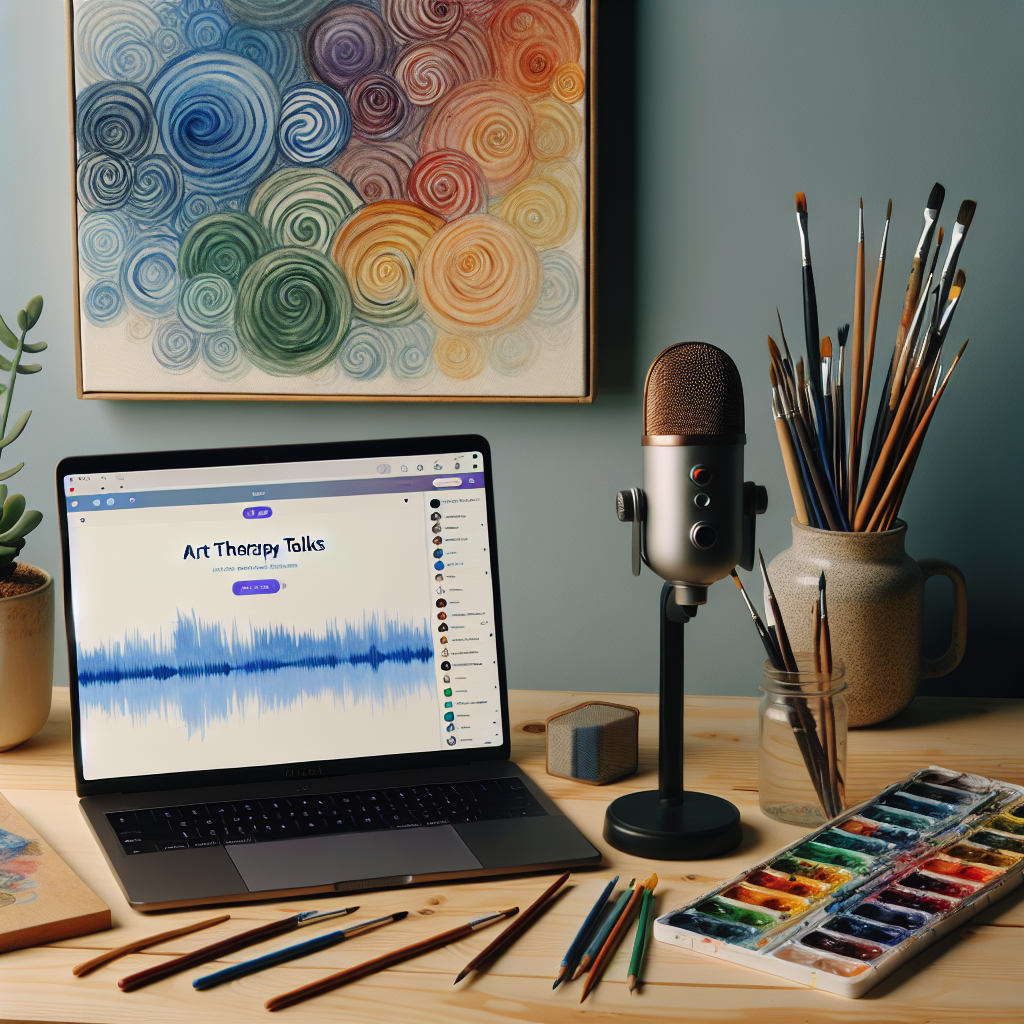
The Professional Podcast Network

Aired: 7/25/24

Host: Phil

Interview With Samantha Hanson

Below is a transcript from the podcast discussion I had with The Professional Podcast Network:

Link below if you’d like to listen to the podcast.

Welcome to the Professional Podcast Network, where brilliance meets business. Elevate your brand and supercharge your revenue with inspiring insights and innovation.  

Hey there, everyone, and welcome back to the show. This is your host, Phil, and our next guest here today is Samantha Hansen, who’s based out of Appleton, Wisconsin, with her business called Peace and Colorful Dynamics.

How are you doing today, Samantha? Good.  I’m doing well, thank you. Glad to hear that. So, Samantha, tell us a little bit more here about what you offer at Peace and Colorful Dynamics.  Well, I offer mental health services. I do individual sessions with people using traditional talk therapy, but combined with expressive arts as a way to help communicate feelings and needs in a different way. 

Sounds good. How long have you been doing this all for?  I’ve been in private practice for about four years now.  Excellent.  So how does the whole process work here when it comes to this therapy you’re doing? Like, where do you start with people?  Well, we can do a consultation, a brief 10-15 minute call just to talk about concerns, make sure we both feel we are a good fit.

I usually offer a video consultation so that way we can see each other and talk, that tends to be more personal than a phone call or as far as getting out of busy work schedules and traffic, video consults seem to work great. The next step would be checking with insurance if that’s the case, or cash pay option if choosing not to use insurance, and then we could go from there, scheduling a session. 

Alright, excellent. And what was it that kind of led you toward this career path? What was your inspiration here?  Well, growing up, I was sick a lot. I was chronically ill, and my mom taught me about crocheting and knitting and painting and drawing. And so it was something that helped me growing up, just using the expressive arts to help me feel better.

And then as I got older, general stress, it helped me just feel better generally, not just,  when I was sick. So. When I realized art therapy was a thing, I had to see where I could take it. And I loved the idea of learning about psychology and this whole new world. So combining the two aspects, it just made sense.

And they really do go hand in hand. Even if we’re not using expressive arts, there’s still visual metaphors and art behind everything we do.  Hmm. Well, it sounds like to me you found your calling here.  All right. Well, Samantha, is there anything else here you want our listeners to know about you? Anything else you want to share today? 

Well, I’m just very down to earth. My job is to make my clients feel comfortable, and I know in my own therapy sessions I would want to feel comfortable and have somebody that is, you know, more down to earth not feel, not feel judged. I mean, judging people, not judging 101 was our first class in school.

Just, I want to make people feel comfortable. So I’m down to earth, I do a lot of art and music in the community. I foster dogs and cats. Occasionally they join sessions if we are telehealth. I want people to know that I have this art to provide to them and I’m here to help them through their journey. 

Alright, sounds great. Well, Samantha, how do we reach out to you if we want to talk to you more about this?  Yes, I do have a website, peaceincolor.org. It has more information on it, talking about services, different examples of what stress may look like if people aren’t sure if that’s what they need.

And then there’s contact information on there to reach me via email or phone. Email is preferred, it’s a little easier to get back to people. That would be peaceincolor2020@gmail.com. But, the website does have all the information. I’m also on social media. You can search up the Peace in Color or Peace in Colorful Dynamics.

I’m all over Facebook, Instagram, and TikTok.  All right. Well, Samantha,  thank you again for joining us today and talking to us about all this.  Thank you for inviting me. Wonderful to be here. Wonderful to have you here. You have a great day. All right.  You as well. Bye. Take care. The rest of our listeners stay right there.

We’ll be right back after the short commercial break.  Welcome to the professional podcast network where brilliance meets business, elevate your brand and supercharge your revenue with inspiring insights and innovation. 

red building with clock tower
What profession do you admire most and why?

“Try not to become a man of success but rather try to become a man of value.” 

– Albert Einstein
photography of a person wearing welding mask
Photo by Aman Jakhar on Pexels.com

I’ve always admired people who excel in tasks that I don’t do. Whether it’s fixing a leaky faucet, designing a building, or navigating complex legal matters, there’s something truly remarkable about someone who has dedicated time and effort to mastering their craft. This admiration goes beyond mere respect; it’s a recognition of the value that expertise brings to the table.

The other day, I was chatting with an engineer who confidently told me that most DIY tasks around the home are easy to handle. “Just watch a few videos on YouTube, and you can do anything,” they said. While I appreciate the accessibility of information today, I couldn’t help but think that there’s more to a job well done than just a quick tutorial.

person using dewalt cordless impact driver on brown board
Photo by Bidvine on Pexels.com

Sure, I could watch a video on how to fix my sink or patch a wall, but if I want the job done right, I’ll seek out someone who has done this more than a handful of times. Someone who has learned not just from a video but from years of hands-on experience. Someone who has taken the time to refine their skills and improve their craft. That’s why I value professionals in every field, whether it’s home repair, engineering, counseling, or coaching.

I’m a firm believer in the importance of expertise. I’ve taken the time to study, practice, and earn the necessary certifications in my field so I can provide the best service to others. My passion for what I do didn’t come from a couple of online videos; it came from years of learning, applying theories, and refining my approach. And I know that the same goes for others who have chosen to dedicate themselves to their professions.

crop unrecognizable office worker standing with papers in hand
Photo by Sora Shimazaki on Pexels.com

This is why I’m willing to schedule time with businesses and professionals who handle tasks outside my scope. Just like I trust my training and experience in my field, I trust others who have done the same in theirs. I appreciate the time and energy they’ve invested to become experts, and I respect their commitment to doing things the right way.

So, to anyone who has taken the time to learn, grow, and improve in their field, I want to say that I admire and respect you. Your dedication to your craft is not only valuable but also essential. Whether you’re a carpenter, a lawyer, a therapist, or an engineer, your expertise is what makes the difference between a job done and a job well done.

people silhouette during sunset
Intensives, Workshops, Support groups- What are the Differences?

While Coaching services are different from Therapy services, they may still be very beneficial to influencing one’s quality of life as a supplement to therapy. Two known barriers however to attending is insurance not covering or reimbursing, and financial cost can be a challenge. When searching for any support group, workshop or intensive it is good to know the differences in what they are to make sure the financial value is right for you.

Many providers or coaches will give a brief description of what they are in their websites – most usually a description of the topic of the event so you know the brief general idea of what you are signing up for and length of time, and cost. The main differences between a therapy intensive, a workshop, and a support group led by a professional in that field – lie in their structure, purpose, and methods of engagement:

One on one therapy
Photo by cottonbro studio on Pexels.com

Therapy Intensive

  • Depth and Duration: Therapy intensives are usually immersive and in-depth sessions that span several hours, days, or even weeks. They provide concentrated, focused therapeutic work.
  • Personalized Treatment: Often involves individualized attention and tailored therapeutic interventions to address specific issues or challenges.
  • Goals: Aimed at making significant progress or breakthroughs in a short amount of time. It may focus on trauma, relationship issues, or other deep-seated psychological concerns.
  • Methods: Utilizes various therapeutic techniques depending on the specific needs of the participants, such as cognitive-behavioral therapy (CBT), psychodynamic therapy, or somatic experiencing.
    • Therapy intensives are designed to be deeply therapeutic without being traumatizing by incorporating several key principles and strategies:
      • Skilled Facilitation
        • Experienced professional, skilled in managing the intensity of sessions and can adjust the pace and approach based on real-time needs
        • trauma informed care- recognizes signs of distress and responds appropriately.
      • Safe and Supportive Environment
      • Structured Approach
        • Clear boundaries, preparation and integration
      • Pacing and Flexibility
        • Gradual exposure to topics and flexible interventions based on real-time feedback from participants
      • Focus on Resilience and Strength
        • Empowerment and Skill Building
      • Holistic Approach
        • Body mind connection
        • Supportive therapies like Art Therapy, movement, nature, music, drama, expressive elements to provide varied and less intense ways of processing emotions.
      • Aftercare and Support
        • Participants are often provided with follow-up support to help them integrate the insights and changes from the intensive into their daily lives, and or given resources including support groups, therapists’ information, and educational materials to continue their healing journey pending want and need of the participant.
Workshop discussion
Photo by 祝 鹤槐 on Pexels.com

Workshop

  • Educational Focus: Workshops are typically designed to educate participants on specific topics, skills, or techniques.
    • They are more instructional and informational, can cover a range of stressing topics but not to the extent of needing 2 or more days to acknowledge and process like intensives.
  • Interactive and Practical: Often includes interactive elements like exercises, discussions, and practical applications to help participants learn and apply new concepts. Hands on learning and engagement encouraged
    • promote interaction and engagement, where intensives can be in a group setting but focused on self-improvement with minimal group engagement.
    • Pending the topic may be self-improvement focused on a lighter level then an intensive.
  • Short-term: Usually lasts for a few hours to a couple of days, making them shorter and less intensive than therapy intensives, less deep into participants personal issues.
  • Goals: Aimed at providing knowledge and tools that participants can use in their personal or professional lives, such as stress management, communication skills, or mindfulness practices.
  • Facilitation – Led by professionals who are knowledgeable in the workshop topic but not necessarily trained therapists.
Support Group Therapy
Photo by Tima Miroshnichenko on Pexels.com

Support Group Led by Professional Counselors

  • Peer Support: Focuses on providing a supportive environment where individuals can share experiences and offer mutual support.
  • Facilitation: Led by professional counselors who guide the discussions, ensure a safe and respectful environment, and provide therapeutic insights when necessary.
  • Ongoing Meetings: Typically meets regularly (weekly, bi-weekly, or monthly) over an extended period, offering continuous support. May be emotionally and or educationally focused to focus on learning skills and applying them in daily life pending the provider or other professional leading the meetings.
  • Goals: Aimed at reducing feelings of isolation, increasing understanding and coping strategies, and providing emotional support. Common for issues like addiction recovery, grief, chronic illness, or mental health challenges.

Summary

  • Therapy Intensive: In-depth, personalized, and concentrated therapeutic work for significant progress.
  • Workshop: Educational, interactive, and practical sessions focused on specific topics or skills.
  • Support Group: Ongoing peer support with professional facilitation, focusing on shared experiences and mutual support.

Each type of session serves different purposes and can be beneficial depending on the Facilitator and needs and goals of the participants. Hopefully this description can help you determine what might be right for you when searching for a group to meet your needs! Feel free to reach out if you would like help finding a group as Samantha has networked with many professionals throughout Wisconsin and has accessibility nationwide to other locations.

monochrome photo of man wearing hoodie
Reducing the stigma around mental health

Stigma can create self-doubt and shame, and gear toward discrimination. With mental health, it’s not an easy problem to solve, for example- your arm is broken, lets fix it. Mental Health concerns can include symptoms such as:

  • Overthinking
  • Guilt
  • Low self esteem
  • Intense sadness
  • Anger, irritability, easily frustrated
  • Physical symptoms including itching, headaches, stomach-aches, tight muscles, loss of sleep
close up photo of woman closing her eyes
Photo by KATRIN BOLOVTSOVA on Pexels.com

Metaphorically speaking, stress can be equated to building a snowman – you can be on what appears to be flat yard rolling a ball of snow around to make it bigger and bigger but say you don’t notice a slope and next thing you know it’s too big and heavy to lift onto the snowman and now you have multiple snowmen to make up for not being able to bear the weight of the snow ball.

crop woman with heart on palms
Photo by Puwadon Sang-ngern on Pexels.com

How can we help reduce what we can’t see?

  • Try to be accepting of each other’s differences
  • View different loads of stress as a difference, not as a weakness.
  • Offer to help with tasks, be open minded that tasks you might be fine with may be too much for someone else
  • Offer to listen – not fix
  • Remember that you don’t know what that person’s day has looked like leading up to this moment and they may need some empathy
  • Education, look into what stress may look like in different environments – work, personal, and differences in positive vs. negative stress. Check out this page for some more details on stress

Reducing the stigma isn’t only one person’s task, it’s a little bit from everyone, a community effort. Smile at someone today, even the smallest behavior from you can be a big influence on someone else’s day.

pile of books
Mental health books recommended for…

I have read some, but not all of these books, however I am adding a few to my list. I have heard the titles given as recommendations in provider groups I am a part of, hopefully some of them can be helpful to you or someone you know in understanding mental health and reducing the stigma, opportunities to open conversations.

books in black wooden book shelf
Photo by Pixabay on Pexels.com

Someone who may need help but isnt ready?

“I Am Not Sick, I Don’t Need Help! How to Help Someone with Mental Illness Accept Treatment” by Xavier Amador
Xavier Amador’s book focuses on improving communication and understanding between individuals with mental illness and their loved ones, reducing stigma through empathy and support.

“The Happiness Trap: How to Stop Struggling and Start Living” by Russ Harris: This book introduces Acceptance and Commitment Therapy (ACT) principles in a reader-friendly format. It offers practical strategies for managing difficult thoughts and emotions, improving mindfulness, and living a more fulfilling life.

“The Mindful Way Through Depression: Freeing Yourself from Chronic Unhappiness” by Mark Williams, John Teasdale, Zindel Segal, and Jon Kabat-Zinn: Combining mindfulness practices with cognitive therapy techniques, this book provides a holistic approach to overcoming depression. It includes guided meditations and exercises for developing mindfulness skills.

“The Anxiety and Phobia Workbook” by Edmund J. Bourne: While not a replacement for therapy, this workbook offers practical tools and techniques for managing anxiety and phobias. It includes cognitive-behavioral strategies, relaxation exercises, and tips for overcoming specific fears.

“Feeling Good: The New Mood Therapy” by David D. Burns: This classic self-help book outlines cognitive-behavioral techniques for combating depression, anxiety, and negative thinking patterns. It includes practical exercises, thought restructuring methods, and strategies for improving mood.

Need humor to read about serious things?

“Furiously Happy: A Funny Book About Horrible Things” by Jenny Lawson: Lawson’s humorous yet poignant book about living with mental illness breaks down stereotypes and encourages readers to embrace their quirks and challenges with humor and resilience.

“The Antidote: Happiness for People Who Can’t Stand Positive Thinking” by Oliver Burkeman: Burkeman’s book challenges traditional notions of happiness and self-help with humor and skepticism. It offers a refreshing perspective on embracing life’s uncertainties and finding meaning in imperfection.

“You Are Here: An Owner’s Manual for Dangerous Minds” by Jenny Lawson: Another book by Jenny Lawson, “You Are Here” combines humor with interactive activities like coloring pages and journal prompts. It’s a creative and lighthearted approach to exploring mental health and self-care.

Non verbal body behavior giving mixed signals?

“The Power of Body Language: How to Succeed in Every Business and Social Encounter” by Tonya Reiman: Reiman’s book explores the impact of body language on various aspects of life, from business interactions to personal relationships. It provides strategies for using body language effectively and reading the nonverbal cues of others.

“Nonverbal Communication in Therapy” by Arthur J. Clark: This book specifically examines nonverbal communication within the therapeutic context. It discusses how therapists can interpret clients’ nonverbal cues, understand underlying emotions, and enhance therapeutic rapport through nonverbal channels.

“Understanding Nonverbal Learning Disabilities: A Common-Sense Guide for Parents and Professionals” by Maggie Mamen: While not focused exclusively on mental health, this book addresses nonverbal learning disabilities (NVLD) and their impact on social skills, emotional regulation, and mental well-being. It provides insights into understanding and supporting individuals with NVLD.

Cathy Malchiodi’s book “Telling Without Talking: Art as a Window into the World of Multiple Personality” is a compelling exploration of using art therapy as a means of expression and communication.

Art Therapy and trauma

“The Art of Healing Trauma: Expressive and Experiential Techniques for Healing” by Gretchen M. Miller: Miller’s book combines art therapy with mindfulness and somatic practices to address trauma and promote healing. It includes practical exercises and techniques for therapists and individuals working through trauma.

“Art as Medicine: Creating a Therapy of the Imagination” by Shaun McNiff: McNiff, a pioneer in the field of art therapy, explores the transformative power of art in healing and personal growth. This book delves into the therapeutic process of creating art and its profound effects on emotional well-being.

“The Expressive Body in Life, Art, and Therapy: Working with Movement, Metaphor, and Meaning” by Daria Halprin: Halprin’s book explores the connection between the body, movement, and creative expression in therapeutic contexts. It offers practical exercises and insights into using the body as a tool for healing and self-discovery.

“Art Therapy Sourcebook” by Cathy Malchiodi: This comprehensive guide by Malchiodi provides an overview of art therapy techniques, applications, and benefits across various populations and settings. It’s a great resource for anyone interested in learning more about the field of art therapy.

seven white closed doors
Going solo

Describe a risk you took that you do not regret.

This was probably the riskiest thing I have ever done. Adulting, living on my own in a one income household, deciding I needed to take better care of myself by being my own boss with my own rules. This meant losing work covered health insurance, expecting inconsistent pay and suddenly a lot more work on my plate-not only being the therapist but also the boss, HR, administrative assistant, biller, anything else I hadn’t even thought of up until that point. All the hats that make up an office/clinic.

pen calendar to do checklist
Photo by Breakingpic on Pexels.com

I definitely do not regret it though, despite it being a lot of hats and a lot of work, its fulfilling and I know I’ve helped a good amount of people. Do I somedays want to go work at Petco or Starbucks, absolutely, and only do simple things and let others take control… yes, I have those days, but they are few and far between.

person holding smartphone while sitting
What is Social Media to me?

Prompt: How do you use social media?

I use social media as a way to share what I do with others. Not only what, but why as I feel that is important to know to some extent. Transparency and being genuine are an important part of my foundation as a business owner, regardless of which set of services I am portraying,

pexels-photo-1092671.jpeg
Photo by Lisa Fotios on Pexels.com

When connecting with any healthcare individual it’s important to feel comfortable, and by sharing a bit of my neurospicy self ahead of time I hope that helps with one’s process. One positive of the technology and social media is I can share videos about myself and my services, I just need to work on my anxiety of talking in front of others! (Always easier to help others then to help myself- at least I’m no longer in front of a class of peers).

Growing up I learned about being a business owner from my dad, he would go to continuing education conferences being in a different part of healthcare and meet others locally by referring in nearby towns. Every time we went to the store people knew him and because it’s a small town, knew me or my brothers and asked how things were going. Back then everything was by in person events, newspaper ads, phone calls and insurance referrals of course.

Today’s marketing is similar but different. I am in a different type of healthcare which provides me opportunities to share information and education with you. I also send out snail mail including yearly Christmas cards to referrals, “I am here!” Letters or post cards to ones I may not have connected with, as well as “new location!” Post cards due to moving, again, and boy am I tired of moving. I am feeling a good fit at 516 E Wisconsin Ave in Appleton and 404 N Main in Oshkosh and am in the process of making my space more functional and professional for clients- updated photos will come soon!

a vintage camera on brown paper
Photo by Eva Bronzini on Pexels.com

When I began, I sent out a paper packet including a letter, brochure, business cards and heat color changing pencils to other businesses. A card saying let’s get coffee! (virtually as it was the pandemic year), and this year I have started having those coffees (in person even!) and making new connections. Part of how I’m receiving this reach is because I update my social media and my online directories, a combination of past and present-day networking and advertising. The more I share, and you view the more people who may need what I offer will have the opportunity to see me.

We all work together even if its indirectly! Any support of clicking, liking, following, sharing or simply reading to the end is helpful and much appreciated. If you would like to have a coffee to talk more about how we can support each other, virtually or in person -please reach out!