Samantha Hanson, LPC, ATR, Clini-Coach®
Honoring Women’s History Month – Stories, Strength, and Progress

March is Women’s History Month, a time to recognize, honor, and celebrate the contributions of women throughout history and in our everyday lives. It’s a time to reflect on the resilience, achievements, and ongoing struggles of women across all fields—science, activism, art, leadership, caregiving, and beyond.

Why This Month Matters

Women’s voices have shaped history, often against the odds. From those who fought for suffrage and civil rights to those breaking barriers today, their stories remind us of the power of persistence and the importance of equity.

Yet, there’s still work to do. Women continue to face challenges—whether in the workplace, in healthcare, or in everyday life. Honoring this month means celebrating progress while advocating for the changes still needed.

Ways to Celebrate & Support

🌿 Learn & Share – Read about influential women, watch documentaries, or attend local events.
📣 Amplify Voices – Support women-owned businesses, artists, and creators.
💬 Have Conversations – Challenge biases, discuss gender equity, and uplift others.
💜 Practice Solidarity – Advocate for policies that support women’s rights and well-being.

A Reminder for All Women

Your story matters. Your voice is valuable. Your presence makes a difference.

Let’s celebrate the women who came before us, those making change today, and the generations to come. 💜✨

Who are the women that inspire you? Drop a name or story in the comments! ⬇️

How are typical sessions run?

Therapy sessions can vary widely depending on the therapist and client. Each session is shaped by the unique perspectives, experiences, and needs that both parties bring to the table. In my practice, my approach centers on having a conversation—one that’s open, flexible, and client-led.

I usually begin with a simple question: How are you doing since our last session? From there, I’ll ask if anything has come up they’d like to discuss or focus on, or where they’d like to start. Early in my career, I noticed that walking into a session with assumptions about what a client might want to talk about—or what activity they might want to engage in, like art or games—often made it harder to find a natural flow.

Now, I’ve adjusted my approach. I keep a variety of materials on a shelf near or above the table—art supplies, games, and other creative tools—but they’re not taking up the client’s space. They’re there if wanted, and I may rotate items depending on who’s coming in that day. On the table itself, I always have tissues, a small container of candy (seasonally themed), and hand sanitizer—simple touches that make the space welcoming and practical.

Most clients choose to talk and perhaps fidget with something small rather than dive into a creative activity, and that’s perfectly okay. The creative materials are always available, and sometimes I’ll suggest trying something different, depending on where a client is in their journey or how sessions have been going.

For many, the idea of creating can feel overwhelming when life’s stressors are flaring up. While I’m passionate about creating and know firsthand the therapeutic benefits it offers, I understand that it’s not always what someone needs in the moment. Even in my personal life, I sometimes find it hard to pull out art supplies or finish a project when I’m feeling stressed. Keeping that in mind helps me remain mindful of what I suggest to clients, whether we’ve been working together for years or are just getting started.

People occasionally ask about homework, wanting more structure between sessions. I’m happy to provide tools, worksheets, or book recommendations with a little time to research and find what’s most appropriate. Still, it’s ultimately the client’s responsibility to engage with these materials outside of our sessions, as our time together is limited. Often, clients have a lot happening in their lives and aren’t able to complete journaling, worksheets, or reading. That’s okay! I remind them these tools are available if they’re helpful, but if not, it’s not detrimental to their progress. We can revisit these resources together at another time, especially if we find ourselves with fewer pressing matters to discuss.

At this point in my career—nearly 12 years as a licensed therapist—I’ve learned that flexibility, presence, and client-centered care are key. Therapy isn’t one-size-fits-all, and every session is an opportunity to meet the client where they are.

How about you? If you’ve experienced therapy, what made your sessions feel most supportive or effective? And if you’re considering starting, what would you want a session to look like for you?

Debunking Myths: common misconceptions about therapy and mental health.

Therapy and mental health have long been surrounded by myths and misconceptions that can create unnecessary barriers for those seeking support. Let’s take a moment to clear up some of the most common ones:

1. Myth: Therapy is only for people with severe mental illness.
Reality: Therapy is for anyone who wants support, growth, or a better understanding of themselves. You don’t have to be in crisis to benefit from therapy. It can help with stress, life transitions, personal development, or simply having a safe space to process your thoughts and emotions.

2. Myth: Talking about problems will make them worse.
Reality: Avoiding problems often gives them more power over your life. In therapy, talking about your challenges in a structured way with a trained professional can help you gain new perspectives, process emotions, and develop effective coping strategies.

crop psychologist consulting patient in office
Photo by SHVETS production on Pexels.com

3. Myth: Therapists just listen and nod.
Reality: Active listening is an essential part of therapy, but it goes beyond that. Therapists provide personalized tools, techniques, and insights to help you navigate challenges. Sessions may involve problem-solving, skill-building, and actionable steps toward your goals. At times, simply listening can be the focus, as voicing stress aloud can activate different internal processes, helping the subconscious connect dots and allowing the body to release physical tension. Sessions can involve problem-solving, skill-building, and creating actionable steps to help you achieve your goals.

4. Myth: Therapy is too expensive.
Reality: While therapy can be a financial investment, many insurance plans cover mental health services, making therapy more accessible. Additionally, some therapists offer sliding scale fees, and community organizations may provide low-cost or free services.

flat lay of dollar bills
Photo by olia danilevich on Pexels.com

5. Myth: You have to share everything right away.
Reality: Therapy progresses at your pace. You don’t have to dive into your deepest struggles immediately. A good therapist will create a safe and supportive environment, allowing you to open up as you feel comfortable.

6. Myth: Needing therapy means you’re weak.
Reality: Seeking therapy takes strength and self-awareness. It’s a proactive step toward personal growth and well-being, not a sign of weakness.

human fist
Photo by Pixabay on Pexels.com

7. Myth: Therapy guarantees quick results.
Reality: Therapy is a process that takes time and effort. While some people may see improvements quickly, others might need more time to work through their challenges. It’s important to have realistic expectations and trust the journey.

8. Myth: Medication is the only solution for mental health issues.
Reality: Medication can be helpful for some people, but therapy is an effective standalone or complementary treatment for many mental health concerns. It’s about finding the right approach for your unique needs.

close up photo of medicinal drugs
Photo by Pixabay on Pexels.com

9. Myth: Therapists will tell you what to do.
Reality: Therapists don’t give orders or make decisions for you. Instead, they help you explore your options, clarify your values, and empower you to make choices that align with your goals.

10. Myth: Therapy is a lifetime commitment.
Reality: The length of therapy varies depending on your needs and goals. Some people attend for a few sessions to address a specific issue, while others find ongoing therapy helpful for long-term support and growth.

black psychologist with african american client
Photo by Alex Green on Pexels.com

11. Myth: Therapists will never discharge clients just to make money.

Reality: if you feel therapy is no longer necessary or if you disagree with your therapist, it’s important to speak up and have an open conversation. If your concerns are more situational and not clinically driven, coaching might be a better fit for you.

By debunking these myths, we can better understand the value of therapy and mental health care. If you’ve been hesitant about starting therapy due to any of these misconceptions, know that you’re not alone—and help is available when you’re ready.

The Pros and Cons of AI Therapy Programs vs. Professional Therapy: Navigating the Modern Mental Health Landscape
woman in beige long sleeve shirt sitting on brown wooden chair
Photo by cottonbro studio on Pexels.com

The emergence of artificial intelligence (AI) therapy programs has revolutionized access to mental health care, offering a variety of convenient, low-cost, and on-demand options. However, as with any innovation, there are both benefits and risks associated with these technologies. Understanding the distinctions between AI therapy and professional, human-delivered therapy is crucial when deciding which route is best for your mental health journey.

Positives of AI Therapy Programs

  1. Accessibility: AI therapy apps exist that are available 24/7, making mental health support accessible to people with demanding schedules or those living in remote areas- a few popular wellness apps with some guided meditation are Headspace (with Ebb an AI mental health companion) and Calm.
  2. Affordability: Traditional therapy can be expensive, and AI therapy programs offer a cost-effective alternative, with many providing free or low-cost services.
  3. Stigma Reduction: Engaging with an AI program can feel less intimidating for those hesitant to speak to a human therapist due to stigma or fear of judgment.
  4. Immediate Support: AI tools provide instant responses, which can be especially valuable in moments of distress or when waiting for a professional appointment.
  5. Data-Driven Insights: Many AI apps track mood patterns, journaling entries, and behavioral trends, offering users valuable insights into their mental health over time.

Negatives of AI Therapy Programs

  1. Lack of Nuance: AI lacks the emotional intelligence and nuanced understanding of human emotions that a professional therapist brings to the table. It can misinterpret context or fail to provide personalized support for complex issues.
  2. Limited Scope: While AI can be effective for mild to moderate mental health challenges, it is not equipped to handle severe mental illnesses, crises, or trauma work.
  3. Privacy Concerns: Users may be uncomfortable with the potential misuse of sensitive data, as not all AI programs guarantee robust privacy protections.
  4. Risk of Dependency: Relying solely on AI programs may delay seeking professional help, potentially exacerbating underlying issues that require human expertise.
  5. Ethical Limitations: AI cannot replicate the therapeutic alliance—the trust, empathy, and collaboration—that is central to effective therapy.
code projected over woman
Photo by ThisIsEngineering on Pexels.com

Positives of Professional Therapy

  1. Human Connection: Therapists bring empathy, cultural competence, and lived experience, creating a safe and supportive space for clients.
  2. Tailored Interventions: Professionals are trained to assess and adapt their methods to suit individual client needs, providing personalized care.
  3. Ethical Accountability: Licensed therapists adhere to strict ethical guidelines and confidentiality standards, ensuring client safety and trust.
  4. Comprehensive Treatment: Therapists can address complex and severe issues, such as trauma, personality disorders, and crises, that AI tools are not designed to handle.
  5. Therapeutic Relationship: A strong therapeutic alliance is often a key predictor of successful outcomes in therapy.
young woman lying on the couch at a therapy session
Photo by Timur Weber on Pexels.com

Negatives of Professional Therapy

  1. Cost: Therapy can be expensive, and not all insurance plans provide adequate coverage for mental health services.
  2. Availability: Long wait times and therapist shortages can delay access to care, particularly in underserved areas.
  3. Convenience: Scheduling and attending sessions may be challenging for those with busy lives or limited transportation options.
colorful weekly planner with pens and confetti
Photo by Florencia Ceruti on Pexels.com

Dangers of Relying Solely on AI Therapy

  1. Misinformation: Without proper regulation, some AI programs may provide advice that is inaccurate or harmful.
  2. Insufficient Crisis Management: AI tools are not equipped to handle emergencies, such as suicidal ideation, leaving users vulnerable during critical moments.
  3. Overgeneralization: AI programs operate on algorithms and patterns, which may oversimplify or misunderstand individual experiences.
  4. Caution with Specialized Therapies: Therapies such as EMDR (Eye Movement Desensitization and Reprocessing), brainspotting, and other trauma-focused techniques require a therapist with specialized training and licensure. Attempting these therapies through AI tools or without a trained professional can be harmful, as they often involve processing deep emotional and psychological pain. The lack of a qualified therapist to guide and ensure safety could lead to retraumatization or ineffective treatment.

Striking a Balance

While AI therapy programs offer a helpful supplement to traditional therapy, they should not replace the expertise and relational depth provided by a licensed therapist. For those considering AI tools, these programs can be a stepping stone toward professional help or a complement to ongoing therapy. However, individuals with severe mental health challenges should prioritize seeking care from qualified professionals.

Ultimately, the decision between AI and professional therapy depends on individual needs, circumstances, and preferences. A hybrid approach—using AI for self-management and a therapist for deeper work—may offer the best of both worlds for many people navigating their mental health journey.

Expressing the Unconscious Mind Through Abstract Art – how intuitive art workshop could help you

Unleashing Creativity: How Abstract Art Dissolves Emotional Blocks

Art has long been recognized as a therapeutic outlet, offering a way to process emotions and experiences that words alone cannot capture. Among the various forms of artistic expression, abstract art stands out for its unique ability to bypass the conscious mind, allowing individuals to connect directly with their inner selves. By embracing abstract art, especially through intuitive art workshops facilitated by a licensed professional, individuals can unlock their creativity and dissolve emotional blocks, paving the way for personal growth and healing.

The Power of Abstract Art to Dissolve Emotional Blocks

Emotional blocks often stem from unprocessed experiences, unresolved conflicts, or suppressed feelings that linger in the unconscious mind. These barriers can manifest as stress, anxiety, or an inability to move forward in life. Abstract art provides a channel to explore and express these buried emotions without the constraints of form, structure, or judgment.

When individuals create abstract art, they are encouraged to let their intuition guide them. This process of surrendering control fosters a sense of freedom, enabling emotions to surface and flow onto the canvas. Through color, texture, and movement, participants can externalize their inner world, gaining clarity and relief in the process. The very act of creating—of moving the brush, splattering paint, or layering shapes—can be profoundly cathartic, breaking down mental and emotional barriers.

Intuitive Art Workshops: A Guided Journey Within

Me as a provider and a licensed professional with expertise in mental health and creative arts, now offers workshops specifically designed to explore the power of abstract art. These intuitive art workshops provide a structured yet flexible environment where participants are guided to connect with their unconscious mind. The group setting fosters a sense of community, reducing feelings of isolation and encouraging shared growth.

Workshops often incorporate mindfulness practices, such as guided meditations or breathing exercises, to help participants center themselves before beginning their art. Mindfulness in these sessions might also include creative mindfulness techniques or humor to break the ice and neutralize incoming expectations. This approach can ease participants into the process, fostering openness and assisting in accessing the subconscious mind. Facilitators offer prompts or techniques that encourage participants to delve deeper, but there are no rigid rules—allowing the creative process to unfold naturally.

The Value of Investing in Your Emotional Well-Being

While the cost of an intuitive art workshop may be higher than self-guided art sessions, the benefits far outweigh the investment. These workshops, led by a licensed professional, offer:

  1. Professional Expertise: The facilitator’s training and experience ensure participants feel supported and guided throughout the process.
  2. Enhanced Creativity: Structured exercises and prompts inspire participants to push their creative boundaries, often resulting in unexpected breakthroughs.
  3. Community Connection: Sharing the experience with others fosters a sense of belonging and mutual understanding.
  4. Lasting Impact: Participants often leave with not only a completed piece of art but also a renewed sense of clarity and emotional freedom.

Investing in such workshops is an investment in yourself—in your emotional health, self-expression, and personal growth. The tools and insights gained in these sessions often extend far beyond the canvas, influencing how participants approach challenges and relationships in their daily lives.

Conclusion

Abstract art is more than a creative outlet; it is a powerful tool for emotional release and healing. By dissolving emotional blocks and connecting with the unconscious mind, individuals can achieve a sense of freedom and clarity that transforms their inner and outer worlds. These workshops, facilitated by a licensed professional, provide a unique opportunity to harness this power in a guided, supportive environment, making them well worth the investment. Whether you are seeking to heal, grow, or simply reconnect with yourself, abstract art offers a path to profound discovery and transformation.

Art as a Tool for Boundary Setting and Self-Care

Using Art as a Tool for Boundary Setting and Emotional Growth

Art offers an incredible medium for self-expression, and its benefits extend far beyond creativity. One unique application is using art as a tool for boundary setting, helping individuals visually communicate their need for space and protection. By engaging in creative practices, people can explore their inner worlds, strengthen their emotional resilience, and gain insights into their personal and relational dynamics.

Art and Boundary Setting: A Visual Affirmation

Setting boundaries is an essential act of self-care, yet many struggle to articulate their needs verbally. Art provides a powerful alternative, allowing individuals to express their boundaries symbolically. For example, creating a piece of art that represents your personal space—perhaps using circles to signify protection or specific colors to evoke calmness and strength—can serve as a visual affirmation of your right to emotional safety. Displaying this piece in a prominent place can act as a daily reminder of your commitment to self-care and the importance of maintaining healthy boundaries.

In intuitive art workshops led by licensed professionals, participants can explore this concept further. Guided prompts might include creating an artwork that visually maps out personal space or depicts the emotional energy they want to preserve. These exercises encourage self-awareness and foster a sense of empowerment in protecting one’s emotional well-being.

The Link Between Color Therapy and Mood Regulation

Colors play a crucial role in shaping our emotions and mental states. By consciously integrating color into their artwork, individuals can influence their mood and energy levels. For example, blue is known for its calming properties, red can energize and invigorate, and yellow often evokes happiness and optimism.

In workshops or personal practice, participants might be encouraged to create a color-focused piece of art based on how they wish to feel. For instance, someone seeking tranquility might explore shades of blue and green, layering these colors in abstract patterns to evoke a sense of calm. This intentional use of color not only enhances the artistic process but also provides a tangible way to regulate emotions and improve mental clarity.

Exploring Family Dynamics Through Art

Art can also serve as a safe medium for navigating complex family relationships. When words fail, creating artwork can help individuals express unspoken feelings and gain new perspectives. For example, participants might be guided to create a piece that symbolizes their relationship with a family member, focusing on the emotions involved rather than the physical likeness. A bridge, for instance, can serve as a metaphor—symbolizing whether a relationship feels sturdy, supportive, and connected, or if it seems fragile, broken, or in need of repair.

This process allows for a nonverbal exploration of family dynamics, helping individuals uncover underlying patterns and emotional truths. In a supportive workshop environment, participants can reflect on their creations and, with the guidance of a licensed professional, explore pathways to healing and improved communication.

Reframing Identity Through Art: From ‘Stuck’ to ‘Evolving’

Life transitions often challenge our sense of self, leaving us feeling stuck or uncertain. Art provides a powerful way to reframe identity, offering a visual representation of personal growth and transformation. Participants might be encouraged to create a piece that reflects their current stage in life and their aspirations for the future.

For example, someone transitioning into a new career might use bold, dynamic shapes to represent growth and exploration, while softer, interconnected forms could symbolize relationships and stability. This exercise not only fosters self-awareness but also inspires a sense of agency and optimism about the future.

woman in red t shirt looking at her laptop
Photo by Andrea Piacquadio on Pexels.com

Creative Mindfulness: Opening the Subconscious

In these workshops, mindfulness practices often play a key role in preparing participants for the creative process. Incorporating creative mindfulness techniques—such as focusing on textures or allowing the hand to move freely—helps participants connect with their subconscious mind. Humor is sometimes used to break the ice and ease expectations, creating a welcoming space where individuals feel comfortable exploring their inner worlds.

By combining mindfulness with artistic expression, participants can dissolve emotional barriers, gain clarity, and embrace their authentic selves.

Investing in Your Emotional Growth

While the financial cost of professionally guided workshops may be higher than self-guided efforts, the benefits are trans-formative. Led by licensed professionals, these sessions offer expert guidance, tailored prompts, and a supportive community environment. Participants often leave not only with a finished piece of art but also with a deeper understanding of themselves and actionable tools for personal growth. However with personal growth, it’s essential to recognize that exploring the subconscious can evoke strong and sometimes unexpected feelings. This is where the support of a trained art therapist becomes invaluable. Art therapy offers a unique and safe space to navigate these emotions and vulnerabilities. A skilled art therapist can guide you through the process of self-expression, helping to uncover and process deep feelings that may arise, ensuring that you have the tools and support to handle what comes up in a healthy, manageable way.

Whether you’re looking to set boundaries, navigate family dynamics, or reframe your identity, using art as a tool for emotional exploration offers a path to healing and empowerment. These workshops provide a structured yet creative environment for uncovering insights and fostering lasting change, making them a valuable investment in your well-being.

woman in white top looking at corkboard
Creating Your ‘Future Self’ Through Vision Boards and Art

Creating Your ‘Future Self’ Through Vision Boards and Art

woman in white long sleeve shirt holding pink and white floral textile
Photo by Mikhail Nilov on Pexels.com

The power of vision boards and symbolic art goes beyond simply setting future goals — it’s about aligning with the emotions you want to experience in your ideal life. By visually representing your aspirations, you make abstract desires tangible and more achievable. Whether through collages, drawings, or mixed media, these creative tools offer a unique way to connect with your ‘future self.’

Imagine placing your dreams onto a board or canvas and allowing your imagination to shape a version of yourself that you’re excited to become. This process can be both empowering and motivating, as it clarifies what you want to manifest and helps you focus on taking actionable steps toward that future.

An alternative to using a vision board or canvas is creating a visual journal. This method allows for greater flexibility and personal exploration as you craft different pages to represent various aspects of your life. Each page can be dedicated to different moments, emotions, concerns, or goals, using a mix of media such as collage, drawing, painting, photography, and even writing. By incorporating different types of materials and techniques, you can express the complexity of your journey, creating a dynamic and evolving record of your personal growth. A visual journal offers a unique space to reflect on progress, address challenges, and keep track of your goals, all while providing a rich, creative outlet for self-expression and transformation.

Advanced Approaches with Art Therapy & Creative Mental Health

Empowerment Through Creativity: Art can be a powerful tool for empowerment, especially for those dealing with difficult emotions. By engaging in creative expression, individuals can gain a sense of control over their feelings, transforming negative experiences into something positive and meaningful. Art therapy allows clients to re-frame their emotional struggles, using their creativity to overcome challenges.

Symbolism as Healing: One of the most profound elements of art is symbolism. Through art therapy, clients can represent their internal world with symbols — whether it’s through colors, shapes, or figures — and explore what those images mean. This process can be an insightful way to understand both unconscious struggles and aspirations, helping to identify key emotional hurdles and providing a roadmap for healing.

Holistic Integration: Art therapy isn’t just a standalone technique; it complements traditional forms of therapy like talk therapy. By integrating creative practices — such as creative writing, dance, or music — alongside conventional therapeutic methods, individuals are given alternative ways to express and process emotions. This holistic approach helps to tap into a deeper layer of self, offering a fuller, more balanced path to mental wellness.

Self-Discovery & Personal Growth: Creativity is a tool for self-discovery. Through the process of making art, individuals can tap into their unconscious mind and uncover hidden thoughts and feelings. This journey of exploration offers a fresh perspective on their life situation and helps them develop new ways of seeing themselves and their potential.

Self-Expression Without Words: For some, emotions are difficult to articulate verbally, especially when they are intense or traumatic. Art offers a non-verbal means of expression, allowing individuals to communicate their feelings without having to put them into words. This method provides a safe space for individuals to explore and release emotions that may otherwise feel too overwhelming to express in conversation.

By combining the power of vision boards, visual journals, and art therapy, individuals can create a tangible connection to their goals and emotions, ultimately paving the way for a future filled with growth, healing, and self-discovery. Through these creative tools, they can gain a deeper understanding of themselves and embark on a journey toward becoming their ‘future self.’

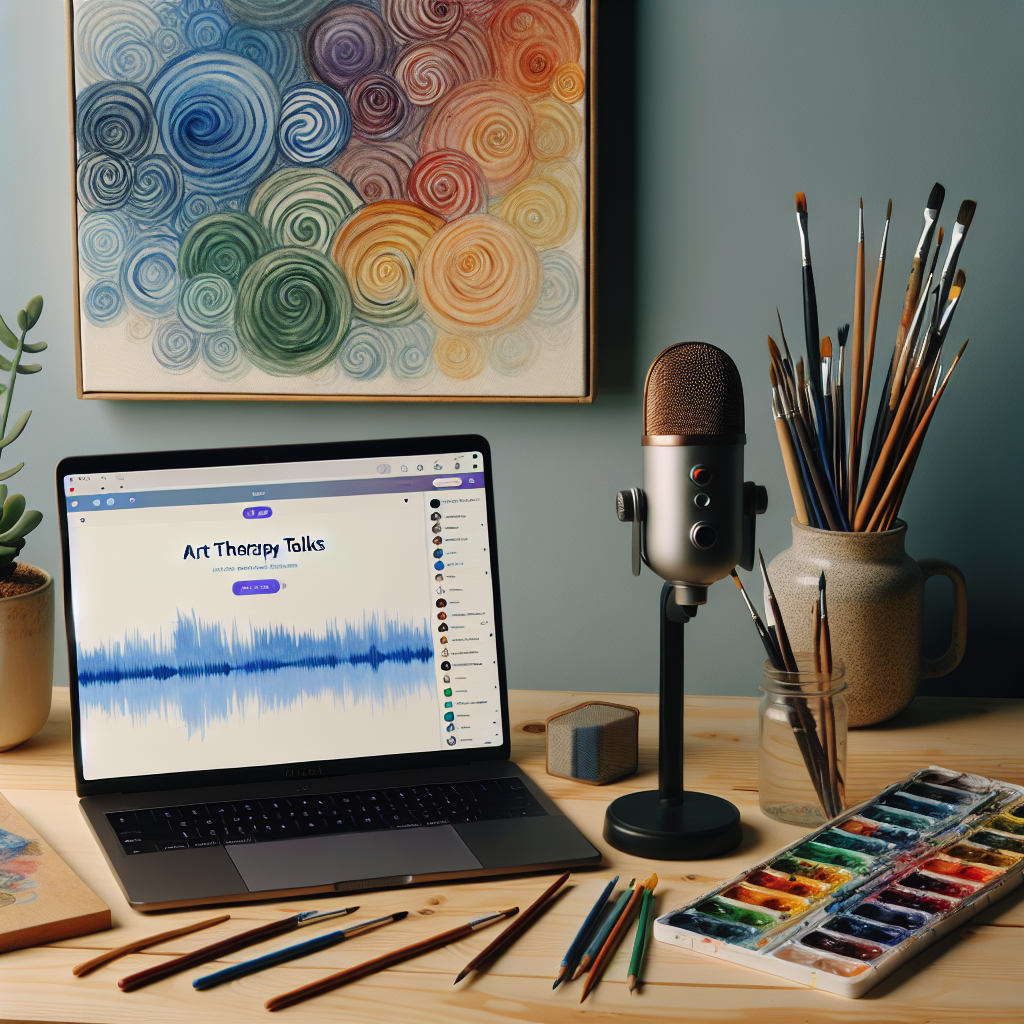
The Professional Podcast Network

Aired: 7/25/24

Host: Phil

Interview With Samantha Hanson

Below is a transcript from the podcast discussion I had with The Professional Podcast Network:

Link below if you’d like to listen to the podcast.

Welcome to the Professional Podcast Network, where brilliance meets business. Elevate your brand and supercharge your revenue with inspiring insights and innovation.  

Hey there, everyone, and welcome back to the show. This is your host, Phil, and our next guest here today is Samantha Hansen, who’s based out of Appleton, Wisconsin, with her business called Peace and Colorful Dynamics.

How are you doing today, Samantha? Good.  I’m doing well, thank you. Glad to hear that. So, Samantha, tell us a little bit more here about what you offer at Peace and Colorful Dynamics.  Well, I offer mental health services. I do individual sessions with people using traditional talk therapy, but combined with expressive arts as a way to help communicate feelings and needs in a different way. 

Sounds good. How long have you been doing this all for?  I’ve been in private practice for about four years now.  Excellent.  So how does the whole process work here when it comes to this therapy you’re doing? Like, where do you start with people?  Well, we can do a consultation, a brief 10-15 minute call just to talk about concerns, make sure we both feel we are a good fit.

I usually offer a video consultation so that way we can see each other and talk, that tends to be more personal than a phone call or as far as getting out of busy work schedules and traffic, video consults seem to work great. The next step would be checking with insurance if that’s the case, or cash pay option if choosing not to use insurance, and then we could go from there, scheduling a session. 

Alright, excellent. And what was it that kind of led you toward this career path? What was your inspiration here?  Well, growing up, I was sick a lot. I was chronically ill, and my mom taught me about crocheting and knitting and painting and drawing. And so it was something that helped me growing up, just using the expressive arts to help me feel better.

And then as I got older, general stress, it helped me just feel better generally, not just,  when I was sick. So. When I realized art therapy was a thing, I had to see where I could take it. And I loved the idea of learning about psychology and this whole new world. So combining the two aspects, it just made sense.

And they really do go hand in hand. Even if we’re not using expressive arts, there’s still visual metaphors and art behind everything we do.  Hmm. Well, it sounds like to me you found your calling here.  All right. Well, Samantha, is there anything else here you want our listeners to know about you? Anything else you want to share today? 

Well, I’m just very down to earth. My job is to make my clients feel comfortable, and I know in my own therapy sessions I would want to feel comfortable and have somebody that is, you know, more down to earth not feel, not feel judged. I mean, judging people, not judging 101 was our first class in school.

Just, I want to make people feel comfortable. So I’m down to earth, I do a lot of art and music in the community. I foster dogs and cats. Occasionally they join sessions if we are telehealth. I want people to know that I have this art to provide to them and I’m here to help them through their journey. 

Alright, sounds great. Well, Samantha, how do we reach out to you if we want to talk to you more about this?  Yes, I do have a website, peaceincolor.org. It has more information on it, talking about services, different examples of what stress may look like if people aren’t sure if that’s what they need.

And then there’s contact information on there to reach me via email or phone. Email is preferred, it’s a little easier to get back to people. That would be peaceincolor2020@gmail.com. But, the website does have all the information. I’m also on social media. You can search up the Peace in Color or Peace in Colorful Dynamics.

I’m all over Facebook, Instagram, and TikTok.  All right. Well, Samantha,  thank you again for joining us today and talking to us about all this.  Thank you for inviting me. Wonderful to be here. Wonderful to have you here. You have a great day. All right.  You as well. Bye. Take care. The rest of our listeners stay right there.

We’ll be right back after the short commercial break.  Welcome to the professional podcast network where brilliance meets business, elevate your brand and supercharge your revenue with inspiring insights and innovation. 

man wearing santa hat
How to Start the Search for a Therapist During the Holidays

–Carl Jung

One of the most popular statements I see in online discussion boards, or get asked is “How do I find help?”

The holiday season can be a time of joy, connection, and celebration—but it can also bring stress, grief, or feelings of loneliness. For many, the added emotional weight of the season serves as a reminder to seek professional support, such as starting therapy. However, the process of finding a therapist, especially during the busy holiday season, can feel overwhelming.

The good news? Taking the first steps to find a therapist during this time is achievable with a bit of planning and patience. Here’s a guide to help you navigate the process.


1. Reflect on Your Needs

Before beginning your search, take time to identify what you’re looking for in therapy:

  • What’s bringing you to therapy? Are you dealing with holiday-related stress, anxiety, grief, or long-term concerns?
  • What type of support feels right? Do you prefer individual, couples, or family therapy?
  • Do you have specific preferences? Consider factors like the therapist’s gender, age, cultural background, or approach to therapy.

This self-reflection will make it easier to narrow down your options and find someone who aligns with your goals.

woman holding her head
Photo by David Garrison on Pexels.com

2. Start with Your Insurance or Budget

If you have insurance, check your provider’s directory for in-network therapists. Many insurance companies offer online search tools that let you filter by location, specialization, and language. Your insurance card may have a client portal website listed on the card, or has been sent to the email on file after you signed up, where it lists your benefits. Otherwise there will be a number to call and they can assist you further.

If you’re paying out-of-pocket and have a tight budget or are in a difficult financial place,

  • Look for sliding-scale therapists who adjust fees based on income.
  • Use platforms like Open Path Collective, which connects individuals with affordable therapy options.

If you are seeking to not use insurance, you can ask providers if they have a cash rate, the provider may still want to verify that your insurance will allow you to opt out – as not all insurances will allow you to.

If you find an Out of Network provider – you can talk to your insurance regarding “out of network benefits”. some will accept a “superbill” a special reciept stating the services and amount you paid, and may or maynot reimburse you all or some of the session cost.

black calculator near ballpoint pen on white printed paper
Photo by Pixabay on Pexels.com

3. Use Online Directories

Online directories make it easy to search for therapists by specialty, location, and availability. Some popular platforms include:

  • Psychology Today: Offers a comprehensive directory with filters for various needs.
  • Mental Health Match: A comprehensive directory that will allow you to fill out a survey and match you with providers matching those needs.
  • MdLive or Teladoc: Connects you with online therapists or medical doctors for virtual sessions.

These tools often include therapist profiles, so you can learn more about their approach and expertise before reaching out.

macbook air on grey wooden table
Photo by Caio on Pexels.com

4. Leverage Word of Mouth

Sometimes, the best recommendations come from people you trust. If you’re comfortable, consider asking friends, family, or colleagues if they know of a therapist they recommend.

Alternatively, your primary care physician, clergy member, or school counselor may have a list of local therapists or resources to share.

crop faceless multiethnic interviewer and job seeker going through interview
Photo by Alex Green on Pexels.com

5. Be Patient with Holiday Schedules

Therapists often experience higher demand during the holidays and may have limited availability due to travel or personal commitments. If you can’t schedule an appointment immediately:

  • Ask to be waitlisted: Many therapists maintain cancellation lists and can fit you in sooner if a spot opens.
  • Book for January: Starting therapy in the new year can still set you up for a strong start.
  • Consider interim support: Hotlines or crisis chat services can provide immediate assistance while you wait.
planner diary and pink baubles on a wooden desk
Photo by Walls.io on Pexels.com

6. Prepare for Your First Contact

Once you’ve identified potential therapists, reach out by phone or email. Be prepared to share:

  • A brief summary of why you’re seeking therapy.
  • Your preferred schedule and whether you need in-person or virtual sessions.
  • Any questions about fees, insurance, or the therapist’s approach.

If you don’t hear back right away, don’t be discouraged—this can be a busy time of year for therapists. Following up after a few days is perfectly acceptable.


7. Explore Immediate Coping Strategies

While waiting for therapy to begin, consider other ways to support your mental health during the holidays:

  • Practice self-care: Engage in activities that relax and recharge you.
  • Set boundaries: Protect your time and energy by saying no to unnecessary obligations.
  • Seek support groups: Many communities offer holiday grief or stress management groups.

8. Give Yourself Grace

Starting the search for a therapist during the holidays can feel like one more thing on an already full to-do list. Remember: the fact that you’re taking steps to prioritize your mental health is a meaningful accomplishment in itself.

Even if you don’t find a therapist immediately, you’re laying the groundwork for healing and growth. Be kind to yourself as you navigate this process.


A Final Note

The holidays are a time of heightened emotion for many, but they can also be an opportunity to reflect on your well-being and take proactive steps toward care. Whether you start therapy now or prepare to begin in the new year, prioritizing your mental health is a powerful gift you can give yourself.

Have questions or need help getting started? Have any other directories to share? Let’s discuss in the comments!

sparkling disco balls in shopping cart
Photo by Valeria Boltneva on Pexels.com
woman with face obscured by glass of beverage
Pop Psychology Is Not Psychology: Finding the Grey Area

“The human mind is not a terribly logical or consistent place.”

–Jim Butcher

In today’s world of viral social media posts, catchy self-help books, and motivational memes, “pop psychology” has become a buzzword. It promises quick fixes and universal truths about how to live, think, and feel. While some of these ideas may be rooted in psychological principles, they’re often oversimplified, and or distorted.

Real psychology, grounded in research and clinical practice, rarely provides black-and-white answers. Instead, it teaches us to explore the grey areas—to embrace complexity, recognize nuances, and challenge oversimplified narratives.

people holding their phones
Photo by fauxels on Pexels.com

The Allure of Pop Psychology

Pop psychology thrives because it feels accessible and empowering. A tweet or TikTok video claiming, “Cut out toxic people and your life will improve” resonates with our desire for control and clarity. It’s tempting to believe that every problem has a clear cause and solution.

However life isn’t that simple. While boundaries are important, labeling every difficult relationship as “toxic” overlooks the complexities of human interactions. Pop psychology often focuses on extremes—what’s “good” versus “bad,” or “healthy” versus “unhealthy”—and neglects the subtleties of real life.

silhouette photo of woman
Photo by Engin Akyurt on Pexels.com

The Danger of All-or-Nothing Thinking

Pop psychology often feeds into a common cognitive distortion: all-or-nothing thinking (also called black-and-white thinking). This mental trap leads us to see situations, people, or ourselves as entirely good or bad, successful or failing, lovable or unworthy.

Here’s an example:

  • Pop Psychology View: “If someone doesn’t prioritize you 100%, they don’t care about you.”
  • Psychological Perspective: Relationships are nuanced. People can care deeply about you while also being imperfect, distracted, or managing their own struggles.

All-or-nothing thinking doesn’t leave room for the messy, complicated middle ground where most of life happens. This distortion can fuel unrealistic expectations, unnecessary conflict, and feelings of inadequacy.


Recognizing Cognitive Distortions

Real psychology equips us with tools to identify and challenge cognitive distortions, helping us navigate the grey areas of life. Some common distortions include:

  1. Overgeneralization: Assuming one bad experience means all similar experiences will be bad.
    • Pop Psychology: “One failed relationship? You’re just not meant for love.”
    • Reality: A single failure doesn’t define your future. Relationships are opportunities for growth and learning.
  2. Catastrophizing: Expecting the worst-case scenario without evidence.
    • Pop Psychology: “If you’re not happy every day, you’re failing at life.”
    • Reality: Happiness ebbs and flows; it’s unrealistic to expect constant joy.
  3. Emotional Reasoning: Believing something is true simply because it feels true.
    • Pop Psychology: “I feel anxious, so I must be in danger.”
    • Reality: Emotions are signals, but they don’t always reflect objective reality.
man and woman sitting on sidewalk
Photo by Odonata Wellnesscenter on Pexels.com

Why Grey Areas Matter

Psychology encourages us to sit with discomfort, uncertainty, and nuance. Rather than offering easy answers, it helps us build resilience and insight. Understanding grey areas means:

  • Recognizing that people and situations are complex.
  • Accepting that progress is not linear.
  • Balancing self-compassion with accountability.

Here’s an example of navigating the grey area:
Imagine you’re struggling with a friendship where your needs feel unmet.

  • Pop Psychology Might Say: “If they’re not meeting your needs, cut them out!”
  • Psychology Would Encourage: Reflect on the dynamic. Are your needs clearly communicated? Is this a pattern or a temporary challenge? Can the relationship be improved with mutual effort?

By exploring the grey area, you’re more likely to make informed, thoughtful decisions that honor both your feelings and the relationship’s context.


How to Think Critically About Pop Psychology

Not everything that sounds psychologically sound is true. To distinguish helpful insights from oversimplified advice:

  1. Consider the Source: Does the idea come from a licensed professional or reputable research?
  2. Question Absolutes: Be wary of advice that feels overly rigid or universal.
  3. Reflect on Context: Ask whether the advice applies to your unique situation.
  4. Learn About Cognitive Distortions: Understanding common mental traps helps you evaluate ideas critically.
two clear drinking glasses with water
Photo by Thiago Matos on Pexels.com

Embracing the Complexity of Real Psychology

Real psychology doesn’t provide quick fixes or one-size-fits-all answers. Instead, it empowers you to think critically, reflect deeply, and make choices that align with your values and circumstances. Life isn’t black and white—and that’s okay. Embracing the grey area is where true growth begins.

What do you think about pop psychology versus real psychology? Let’s discuss in the comments!