Intuitive Art Workshop time! Spring Savings, due to the world being on fire, I have lowered the cost to assist with difficult times.
Pop-Up Intuitive Art Workshop – Take a Break from the Chaos
The world feels like it’s on fire, and we could all use a breather. So let’s take a break from the stress, step away from the noise, and create—individually, together.
I’m hosting a pop-up intuitive art workshop, and I’ve lowered the price because, well, life is hard right now. This is a space to reconnect with yourself, express freely, and find a little peace through creativity. No experience needed—just show up as you are.
What to Expect
🎨 All supplies provided – just bring yourself! 🎶 Music in the background to set the mood. 🖌️ Light structure to guide the process, but plenty of freedom to explore. 🗣️ Time to reflect at the end (if you choose). 🥤 Water and light snacks included. Feel free to bring your own lunch, snacks, or drinks.
How to Join
Spots are limited due to space, and reservations are required. If any seats remain open, I’ll announce them the morning of for first-come, first-served attendees.
Let’s take a breath, make some art, and create a little calm together. Hope to see you there!
📍 404 N Main -Old bank- Fifth Floor suite 503 📅 March 29th 12-2 pm 💌 Reserve your spot now! Spots are limited, a waitlist will be created and you will be contacted if spots open up – Samantha will send along the payment link once you contact her.
“The human mind is not a terribly logical or consistent place.”
–Jim Butcher
In today’s world of viral social media posts, catchy self-help books, and motivational memes, “pop psychology” has become a buzzword. It promises quick fixes and universal truths about how to live, think, and feel. While some of these ideas may be rooted in psychological principles, they’re often oversimplified, and or distorted.
Real psychology, grounded in research and clinical practice, rarely provides black-and-white answers. Instead, it teaches us to explore the grey areas—to embrace complexity, recognize nuances, and challenge oversimplified narratives.
Pop psychology thrives because it feels accessible and empowering. A tweet or TikTok video claiming, “Cut out toxic people and your life will improve” resonates with our desire for control and clarity. It’s tempting to believe that every problem has a clear cause and solution.
However life isn’t that simple. While boundaries are important, labeling every difficult relationship as “toxic” overlooks the complexities of human interactions. Pop psychology often focuses on extremes—what’s “good” versus “bad,” or “healthy” versus “unhealthy”—and neglects the subtleties of real life.
Pop psychology often feeds into a common cognitive distortion: all-or-nothing thinking (also called black-and-white thinking). This mental trap leads us to see situations, people, or ourselves as entirely good or bad, successful or failing, lovable or unworthy.
Here’s an example:
Pop Psychology View: “If someone doesn’t prioritize you 100%, they don’t care about you.”
Psychological Perspective: Relationships are nuanced. People can care deeply about you while also being imperfect, distracted, or managing their own struggles.
All-or-nothing thinking doesn’t leave room for the messy, complicated middle ground where most of life happens. This distortion can fuel unrealistic expectations, unnecessary conflict, and feelings of inadequacy.
Recognizing Cognitive Distortions
Real psychology equips us with tools to identify and challenge cognitive distortions, helping us navigate the grey areas of life. Some common distortions include:
Overgeneralization: Assuming one bad experience means all similar experiences will be bad.
Pop Psychology: “One failed relationship? You’re just not meant for love.”
Reality: A single failure doesn’t define your future. Relationships are opportunities for growth and learning.
Catastrophizing: Expecting the worst-case scenario without evidence.
Pop Psychology: “If you’re not happy every day, you’re failing at life.”
Reality: Happiness ebbs and flows; it’s unrealistic to expect constant joy.
Emotional Reasoning: Believing something is true simply because it feels true.
Pop Psychology: “I feel anxious, so I must be in danger.”
Reality: Emotions are signals, but they don’t always reflect objective reality.
Psychology encourages us to sit with discomfort, uncertainty, and nuance. Rather than offering easy answers, it helps us build resilience and insight. Understanding grey areas means:
Recognizing that people and situations are complex.
Accepting that progress is not linear.
Balancing self-compassion with accountability.
Here’s an example of navigating the grey area: Imagine you’re struggling with a friendship where your needs feel unmet.
Pop Psychology Might Say: “If they’re not meeting your needs, cut them out!”
Psychology Would Encourage: Reflect on the dynamic. Are your needs clearly communicated? Is this a pattern or a temporary challenge? Can the relationship be improved with mutual effort?
By exploring the grey area, you’re more likely to make informed, thoughtful decisions that honor both your feelings and the relationship’s context.
How to Think Critically About Pop Psychology
Not everything that sounds psychologically sound is true. To distinguish helpful insights from oversimplified advice:
Consider the Source: Does the idea come from a licensed professional or reputable research?
Question Absolutes: Be wary of advice that feels overly rigid or universal.
Reflect on Context: Ask whether the advice applies to your unique situation.
Learn About Cognitive Distortions: Understanding common mental traps helps you evaluate ideas critically.
Real psychology doesn’t provide quick fixes or one-size-fits-all answers. Instead, it empowers you to think critically, reflect deeply, and make choices that align with your values and circumstances. Life isn’t black and white—and that’s okay. Embracing the grey area is where true growth begins.
What do you think about pop psychology versus real psychology? Let’s discuss in the comments!
Teaching is one of the most impactful professions in the world. A great teacher doesn’t just impart knowledge—they inspire, nurture, and shape the future by touching the lives of their students in profound ways. But what truly makes a teacher great? It’s a combination of qualities and actions that go beyond simply delivering lessons.
1. Passion for Teaching and Learning
At the heart of every great teacher is a genuine passion for their subject and for the act of teaching itself. This passion is infectious; it ignites a spark in students and makes learning an engaging, dynamic experience. A teacher who loves what they do is constantly exploring new ideas, staying curious, and bringing that enthusiasm into the classroom.
2. Empathy and Understanding
A great teacher understands that every student is unique, with their own set of challenges, strengths, and needs. They are empathetic and patient, taking the time to listen and support their students. Whether it’s offering extra help after class or simply being a reassuring presence, an empathetic teacher makes students feel valued and understood.
Communication is key in teaching. A great teacher can explain complex concepts in a way that is accessible and relatable. They know how to break down information, use examples, and adapt their communication style to meet the needs of their students. They also encourage open dialogue, making the classroom a space where students feel comfortable asking questions and expressing themselves.
4. Adaptability and Creativity
No two classes are the same, and no single teaching method works for every student. Great teachers are adaptable, able to adjust their approach based on the situation and the needs of their students. They are also creative, finding new and engaging ways to present material, whether through innovative projects, interactive lessons, or integrating technology.
5. Dedication to Student Success
Great teachers are deeply committed to the success of their students. They set high expectations and provide the support necessary for students to meet them. This dedication often means going above and beyond—whether it’s staying late to offer tutoring, providing encouragement during tough times, or helping students navigate challenges both inside and outside the classroom.
6. Encouraging Critical Thinking
Rather than just focusing on memorization or rote learning, great teachers encourage critical thinking. They challenge students to ask questions, think deeply, and explore different perspectives. By fostering an environment where inquiry and exploration are valued, they help students develop the skills necessary to become independent thinkers and lifelong learners.
7. Building Relationships
Great teachers know that strong relationships are the foundation of a successful learning environment. They take the time to get to know their students, building trust and respect. These relationships extend beyond the classroom, as great teachers often remain mentors and guides for their students long after the school year ends.
Teaching is not a static profession; it evolves constantly. Great teachers are lifelong learners who are always seeking to improve their skills and knowledge. They stay updated on the latest educational research, experiment with new teaching techniques, and are open to feedback. This commitment to their own growth ensures that they can continue to provide the best education for their students.
9. Inspiring and Motivating
A great teacher does more than teach; they inspire. They motivate students to reach for their potential, to believe in themselves, and to strive for excellence. This inspiration often comes not just from the teacher’s words, but from their actions—demonstrating a work ethic, a love of learning, and a commitment to making a difference.
10. Making Learning Fun and Relevant
Finally, a great teacher knows how to make learning fun and relevant. They bring lessons to life by connecting them to real-world experiences and showing students how what they’re learning applies outside the classroom. They create an environment where students are excited to learn and where education is seen as a meaningful and enjoyable pursuit.
In conclusion, what makes a teacher great is not just their knowledge of the subject but their ability to connect with students, inspire them, and foster an environment of growth and curiosity. Great teachers leave a lasting impact, not just through the lessons they teach, but through the lives they touch.
Teachers can be anyone in our lives, not just those in the classroom. Whether it’s a mentor, a family member, or even a stranger we’ve met in passing, there are countless people who have left us with meaningful lessons. Who do you know or have encountered that taught you something valuable? What lesson did it leave behind, and how might you pay it forward to someone else? Reflecting on these moments reminds us that teaching and learning are continuous processes, and we all have the power to inspire and uplift others in ways we may never even realize.
Election seasons can be stressful, especially when strong opinions and political divides come into play. As the upcoming presidential election approaches, it’s common for people to feel overwhelmed by news, discussions, and debates. Additionally, conversations with friends, family, or colleagues who hold differing views can lead to tension. Here are some ways to prepare for and manage election-related stress while navigating differences of opinion.
Constant exposure to political news and debates can fuel anxiety and stress. While staying informed is important, it’s equally important to limit your intake. Set specific times for checking news and avoid doom-scrolling. If you find social media overwhelming, consider muting certain topics or stepping away from platforms for a while. Protecting your mental health should be a priority.
2. Practice Self-Care
Election seasons can be emotionally taxing, especially when issues close to your heart are at stake. Make time for self-care, whether it’s taking a walk, practicing mindfulness, or engaging in hobbies that help you recharge. Establishing routines that allow for moments of calm will help you stay grounded, even amidst political noise.
Talking about politics doesn’t have to turn into a heated argument. Approach discussions with empathy and curiosity. Instead of trying to “win” the conversation, focus on understanding where the other person is coming from. Asking open-ended questions and listening without interrupting can help keep the conversation respectful, even when you disagree. Acknowledging that people’s experiences shape their beliefs can foster understanding and reduce tension.
4. Set Boundaries with Loved Ones
If political discussions are too emotionally charged, it’s okay to set boundaries. Let friends and family know that you’d prefer to avoid political conversations if they become stressful or unproductive. Respecting each other’s limits and agreeing to disagree can help maintain relationships without letting politics take over.
5. Stay Grounded in Your Values
During an election season, it’s easy to feel like your personal values are being challenged or that you’re under pressure to change your views. Stay true to your values while remaining open to learning. Focus on what you can control—your vote, your actions, and how you treat others. Letting go of the need to convince others of your position can reduce stress and frustration.
6. Take Action
If you feel powerless during the election, find ways to channel your energy into meaningful action. Volunteering for a cause or a campaign you believe in, donating to organizations that support your values, or simply having conversations with people who are undecided can give you a sense of agency. Taking action, no matter how small, can provide relief from election-related anxiety.
7. Prepare for Post-Election Conversations
The outcome of the election may lead to further debates or celebrations depending on who you talk to. Be prepared to handle post-election discussions with the same grace and empathy as before. If the outcome is emotionally difficult for you, give yourself time to process it before engaging in conversations. Similarly, if your side “wins,” approach those who may feel disappointed with sensitivity.
If the stress of the election becomes overwhelming, it’s important to know when to step away from conversations, media, or even social gatherings. You don’t need to be constantly involved in the political conversation to care about the outcome. Taking breaks for your mental and emotional well-being is essential.
Navigating the stress of an election and differences of opinion can be challenging, but with the right strategies in place, you can maintain your peace of mind. Focus on what matters most to you, protect your mental health, and remember that it’s possible to respectfully coexist with differing perspectives.
As the summer heat fades and cooler, crisper air sets in, fall becomes an ideal time to refresh your fitness routine. Whether you’re an avid exerciser or just getting started, autumn offers plenty of opportunities to stay active outdoors while enjoying the beauty of the changing season. From hiking to outdoor yoga, the fall months provide a perfect backdrop for fitness activities that are both invigorating and enjoyable. Here are some ideas for staying active this fall while taking advantage of the weather and seasonal scenery.
1. Hiking and Nature Walks
Fall is the perfect time to hit the trails and enjoy the vibrant autumn foliage. Whether you’re exploring local parks, nature reserves, or mountain trails, hiking is a fantastic full-body workout that allows you to connect with nature while improving cardiovascular health.
Health Benefits: Hiking improves endurance, strengthens muscles, and promotes cardiovascular health. The varied terrain also engages your core and leg muscles, giving you a more comprehensive workout than walking on flat surfaces.
Tip: Dress in layers, as fall temperatures can change quickly. Make sure to bring a water bottle and choose footwear with good grip for potentially damp or slippery paths.
If you prefer a more relaxed pace, nature walks are an excellent way to stay active while taking in the sights and sounds of fall. They’re a great alternative to intense hikes, especially for beginners or families.
Running during the fall is often more enjoyable than during the summer, thanks to cooler temperatures and scenic routes filled with changing leaves. Whether you’re a seasoned runner or just starting out, fall offers the perfect environment for outdoor running.
Health Benefits: Running improves cardiovascular health, burns calories, and strengthens your lower body. Running outdoors also boosts your mental health by reducing stress and increasing your exposure to fresh air and natural surroundings.
Tip: Use fall as an opportunity to sign up for a local 5K or charity run. Many communities host autumn-themed races, such as “Turkey Trots,” which can keep you motivated and add a sense of accomplishment to your routine.
Take your yoga practice outdoors this fall to embrace the peaceful, serene surroundings of nature. Practicing yoga in a park, your backyard, or even on a quiet trail allows you to feel more connected to the environment while benefiting from the calming effects of mindful movement.
Health Benefits: Yoga improves flexibility, balance, and core strength while reducing stress and promoting mental clarity. Stretching in the cooler air can help prevent injuries and increase circulation, making it an excellent activity before or after a more intense workout.
Tip: Bring a thicker yoga mat to stay warm on cooler surfaces. Fall is also a great time to practice grounding poses, such as Tree Pose or Warrior II, which encourage stability and balance, mirroring the changes in nature.
Cycling is a low-impact exercise that allows you to cover more distance while enjoying the fall scenery. Whether you prefer road biking or mountain biking, fall provides a refreshing change from summer’s heat, with cooler weather making longer rides more comfortable.
Health Benefits: Cycling builds leg strength, enhances cardiovascular endurance, and improves joint mobility. Mountain biking also engages your core and upper body as you navigate challenging terrain, making it a full-body workout.
Tip: Invest in gloves, as fall weather can make your hands cold during longer rides. Always wear a helmet and follow proper safety guidelines, especially if you’re biking in areas with fallen leaves or wet paths.
Fall is a great time to gather friends and family for outdoor sports and games. Whether it’s a casual game of soccer, flag football, or even Frisbee in the park, playing group sports is a fun way to stay active and enjoy the crisp air.
Health Benefits: Group sports help improve coordination, build strength, and enhance cardiovascular fitness. They also offer the added benefits of social interaction, teamwork, and mental well-being through fun and friendly competition.
Tip: Take advantage of community sports leagues that often start up in the fall. These leagues can include everything from softball to touch football and are a great way to stay active while making new connections.
Many fitness instructors offer seasonal outdoor boot camps, incorporating fun, fall-themed workouts in parks or open spaces. These high-intensity interval training (HIIT) sessions usually involve a mix of cardio, strength training, and bodyweight exercises, all while surrounded by the beauty of fall.
Health Benefits: Boot camp workouts are designed to improve cardiovascular fitness, burn calories, and build muscle strength. The variety of exercises also prevents boredom and challenges different muscle groups.
Tip: Wear breathable layers, as you’ll likely warm up quickly during intense exercises. Bring a water bottle and a towel, as outdoor boot camps can get sweaty even in cooler weather.
Fall can also be an ideal time to hit the water for activities like kayaking, canoeing, or paddleboarding. The calm waters and cooler temperatures make for a serene and peaceful workout while allowing you to take in the stunning fall scenery from a different perspective.
Health Benefits: Kayaking and paddleboarding engage your core, shoulders, arms, and back, making them great upper-body workouts. These activities also promote balance and coordination while providing a low-impact, relaxing way to stay active.
Tip Wear moisture-wicking clothing and a lightweight jacket, as the water can be cooler during fall. Always follow safety guidelines, including wearing a life jacket, especially in unpredictable fall weather.
8. Gardening and Yard Work Though many associate gardening with spring and summer, fall is also a great time for outdoor yard work. Raking leaves, planting fall flowers, or preparing your garden for winter are excellent ways to stay active while being productive outdoors.
Health Benefits: Gardening and yard work burn calories, build strength, and improve flexibility, all while providing the added mental benefits of spending time in nature.
Tip: Incorporate squats and lunges as you pick up leaves or plant bulbs to make the most of your movements. Stretch before and after to prevent stiffness, as cooler weather can make muscles tighter.
9. Outdoor Circuit Training Create your own outdoor workout circuit using the natural elements around you. Parks, playgrounds, and even your own backyard can serve as settings for exercises like step-ups, push-ups, jumping jacks, and lunges.
Health Benefits: Circuit training is a full-body workout that improves cardiovascular health, burns calories, and builds muscle strength. The variety of exercises in a circuit helps target different muscle groups while keeping your heart rate elevated.
Tip: Use park benches, tree stumps, or playground equipment for exercises like tricep dips, incline push-ups, or step-ups. Bring along a resistance band or lightweight dumbbells to increase the challenge.
Final Thoughts: Make the Most of Fall Fitness Fall offers a unique opportunity to refresh your fitness routine, thanks to the cooler temperatures, stunning scenery, and abundance of outdoor activities. Whether you’re taking a peaceful hike through the woods, enjoying a brisk run in the crisp air, or practicing yoga amidst the changing leaves, fall fitness can be both invigorating and calming. With the right layers, a few adjustments to your routine, and a focus on seasonal activities, you can stay active and energized throughout the season. Staying fit in the fall isn’t just about physical health; it’s also about boosting mental well-being by enjoying the beauty of nature and embracing the changes the season brings. Take advantage of this time to explore new activities, enjoy the outdoors, and set yourself up for a healthy, happy season ahead.
“When one door of happiness closes, another opens; but often we look so long at the closed door that we do not see the one which has been opened for us.”
– Helen Keller
Expressing Gratitude: My Way and the Ways of Others
Gratitude is a powerful emotion, and I believe it’s important to find some way to express it, especially to the people we care about. We don’t hear as much positivity or appreciation these days as I think we should. For me, gratitude goes beyond words; it’s about action. I express my appreciation by doing things for the people I love. Whether it’s cooking their favorite meal, helping with a task, paying the parking toll on an experience or simply being there when they need someone to talk to, I find joy in these gestures. It’s my way of saying, “I see you, I appreciate you, and I’m thankful for you.”
But as I think about my approach, I’m curious about the many ways others choose to express their gratitude. Here are some ways people show appreciation:
Words of Affirmation: Some people are natural wordsmiths, able to convey their gratitude through heartfelt notes, letters, or even a simple verbal “thank you.” They make sure the people they appreciate know it through their words.
Gift-Giving: A thoughtful gift can be a tangible representation of gratitude. It doesn’t have to be extravagant—sometimes, it’s the small, meaningful gifts that speak the loudest.
Acts of Service: Like me, many people express gratitude by doing things for others. This could be anything from helping with chores, running errands, or offering a helping hand when needed.
Quality Time: Spending time with someone can be a profound way to show appreciation. In our busy lives, taking the time to be present with someone shows that we value and cherish them.
Public Recognition: Some express gratitude by publicly acknowledging others, whether it’s through social media shoutouts, toasts at gatherings, or giving credit where it’s due in professional settings.
Touch: For some, physical affection like hugs, pats on the back, or holding hands is a way to express their gratitude. It’s a warm, non-verbal way of saying, “I’m thankful for you.”
Everyone has their own unique way of showing gratitude, and each method is valid and meaningful in its own right. What’s important is that the appreciation is genuine and comes from the heart. How do you express gratitude? How do others in your life show it to you? Reflecting on this not only strengthens our connections but also deepens our understanding of what it means to be thankful.
Thinking about difficult times being like variety of chocolates can sometimes help me get through difficult moments – being a business owner I wear a lot of hats and experiences a lot of challenges out of my control. However, I know I can get through things, and I ask for help when necessary. I am thankful for those I have found along the way to help me keep going when I get that ill tasting nugget and look forward to the sweeter times.
Here are some other quotes I found when searching inspirational quotes that spoke to me!
“You miss 100% of the shots you don’t take.” – Wayne Gretzky
“Believe you can and you’re halfway there.” – Theodore Roosevelt
“Do not wait to strike till the iron is hot, but make it hot by striking.” – William Butler Yeats
These quotes highlight the importance of perseverance, passion, and taking action to achieve success and fulfillment. There are many quotes regarding success and failure that I personally do not agree with- and that’s ok! We are each unique individuals, and per our experiences our perception of situations we are faced with will be seen differently from anyone else. Might I be seen as negative if I don’t agree or see a statement as positive because of my experiences? Yes, because I cannot control how others think or perceive what they are shown. I prefer to be seen as realistic as unfortunately we don’t live in a perfect world, however I can understand why someone sees my view as negative and can accept that we have different views and opinions.
What are inspirational quotes that speak to you, have helped you reach your goals or keep going when times are rough? Comment below to help others build their own list.
Within mental health and personal growth, individuals often seek various forms of support and interventions to navigate their challenges and improve their well-being. Two common options that people consider are therapy groups and intensive workshops. While both serve as valuable tools for self-exploration and development, they differ in their formats, goals, and approaches. Here, we will explore the differences between therapy groups and intensive workshops to help you better understand which option may be most suitable for your needs.
Therapy Groups: Therapy groups typically consist of a small number of individuals who come together regularly, facilitated by a trained therapist or counselor. These groups provide a safe and supportive environment for members to explore their thoughts, feelings, and behaviors, and to gain insights into their challenges and strengths. Therapy groups may focus on specific issues such as anxiety, depression, trauma, or relationship issues, and members often share their experiences, offer feedback, and learn from one another’s perspectives.
Key Characteristics of Therapy Groups:
Regular meetings over an extended period (e.g., weekly or bi-weekly sessions).
Led by a trained therapist or counselor who facilitates discussions and provides guidance.
Emphasis on sharing personal experiences, processing emotions, and gaining self-awareness.
Opportunity for members to receive support, feedback, and validation from peers.
Intensive Workshops: Intensive workshops are typically short-term, immersive experiences that focus on a specific theme or goal, such as stress management, communication skills, or personal growth. These workshops may last anywhere from a few hours to several days and often involve a structured curriculum, experiential activities, and group exercises aimed at fostering insight, learning new skills, and promoting personal transformation. Intensive workshops can be intense and emotionally challenging, but they also offer a concentrated opportunity for deep exploration and growth.
Key Characteristics of Intensive Workshops:
Short-term and immersive experience, often lasting a few hours to several days.
Structured curriculum with specific goals and learning objectives.
Incorporation of experiential activities, role-playing, and group exercises.
Focus on personal growth, skill-building, and transformative experiences.
Choosing Between Therapy Groups and Intensive Workshops: When deciding between therapy groups and intensive workshops, it’s important to consider your specific needs, preferences, and goals. Therapy groups are ideal for individuals seeking ongoing support, deeper self-exploration, and interpersonal connection over an extended period. On the other hand, intensive workshops are well-suited for those looking for a quicker, focused experience to learn new skills, gain insights, and jumpstart personal growth in a shorter timeframe.
Ultimately, both therapy groups and intensive workshops can be valuable resources for individuals searching to improve their well-being, develop self-awareness, and cultivate meaningful connections with others. By understanding the differences between these two options, you can make an informed decision that aligns with your unique needs and aspirations on your journey toward personal growth and healing.
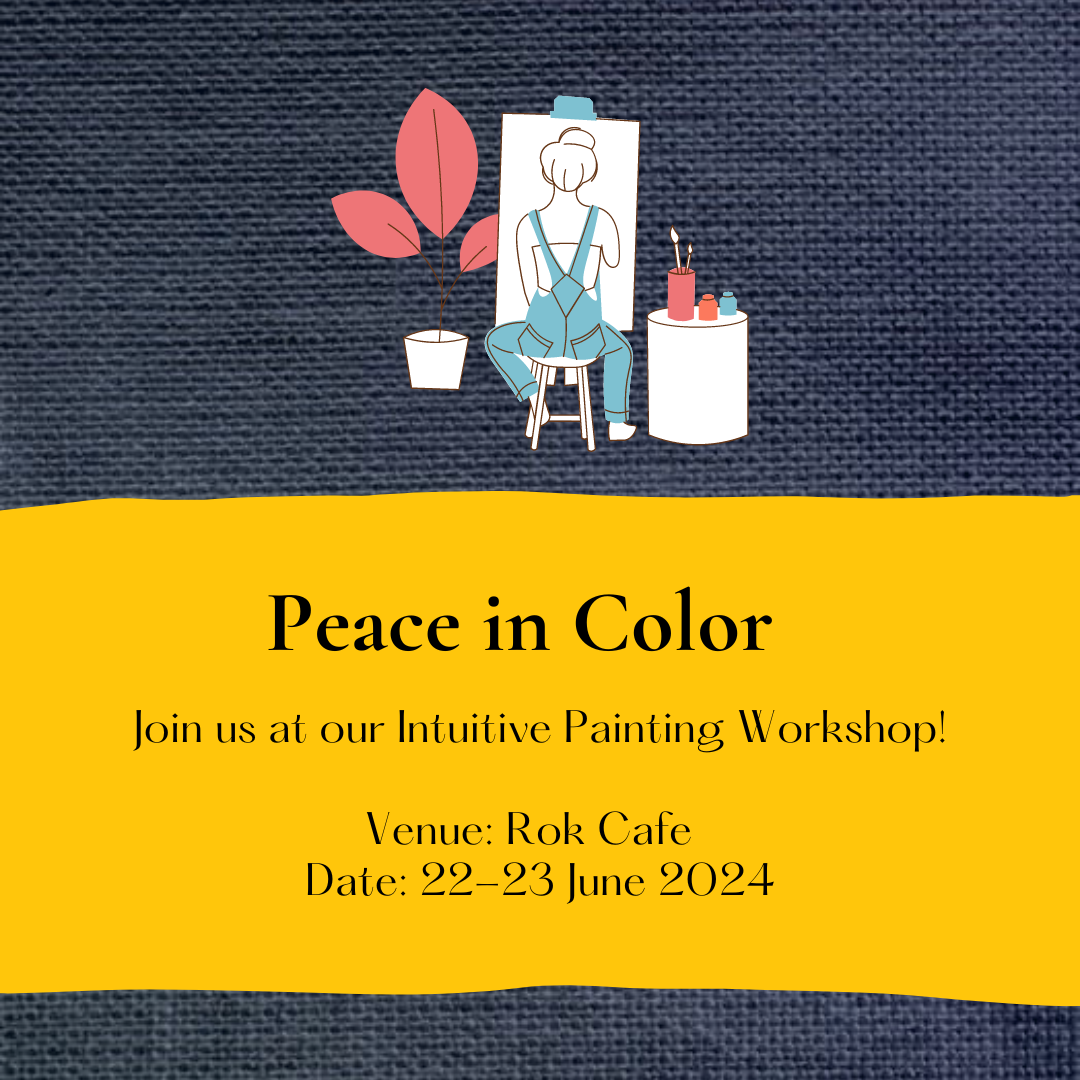
Make sure to check out the new Intuitive Painting Workshop here!
Collaborative Creative Coaching with Samantha Hanson and Tina Gray Siebers
Are you ready to explore your creativity, overcome fears, and reconnect with your inner child? Join our Intuitive Art Intensive Workshop, a transformative experience designed to help you express yourself, face challenges, and find joy in artistic expression. No prior art experience is necessary—just bring your willingness to explore and create.
This is a two-day intensive workshop, led by two professional counselors—one a registered art therapist. However, this is not a therapy group! It is a small retreat from daily life, designed to guide participants through an intuitive painting process.
Workshop Goals: Try Something New: Step outside your comfort zone. Overcome Fear: Let go of the fear of failure or judgment. Self-Discovery: Learn how you handle challenges. Feel Positive: End with a sense of achievement. Have Fun: Enjoy playful, creative activities. Stress Relief: Take a refreshing break from daily stress.
Workshop will include Open mindedness and experimentation in a judgement free zone, Setting Intentions Warm-Up Exercise: “Zen Tangle” Independent Reflection and Sharing option to purchase beverages on site at ROK cafe
Disclaimer: This is a vulnerable open space. Be mindful of sharing work that may be considered taboo outside of the workshop with non participants who may not understand.
Join Us June 22 and 23rd – Registration closes June 17th and space is limited to 8 attendees! 4 minimum needed to hold the workshop.
Perfect for all skill levels, our workshop offers a supportive and enriching environment to unlock your creative potential.Secure your spot today to avoid missing out as spots are filling up fast. Don’t let the stress of the week distract you—reserve now!
For more information and to register, visit Here. We look forward to creating with you!
**please note spots are non refundable due to the time and preparation to prepare for your seat we appreciate your understanding if you are a no show or notify us day of, of no attendance.**
This was probably the riskiest thing I have ever done. Adulting, living on my own in a one income household, deciding I needed to take better care of myself by being my own boss with my own rules. This meant losing work covered health insurance, expecting inconsistent pay and suddenly a lot more work on my plate-not only being the therapist but also the boss, HR, administrative assistant, biller, anything else I hadn’t even thought of up until that point. All the hats that make up an office/clinic.
I definitely do not regret it though, despite it being a lot of hats and a lot of work, its fulfilling and I know I’ve helped a good amount of people. Do I somedays want to go work at Petco or Starbucks, absolutely, and only do simple things and let others take control… yes, I have those days, but they are few and far between.