Samantha Hanson, LPC, ATR, Clini-Coach®
woman illustrating albert einstein formula
What Makes a Teacher Great: Beyond the Classroom

2) Tell me and I forget. Teach me and I remember. Involve me and I learn.

– Benjamin Franklin
man in beige blazer holding tablet computer
Photo by fauxels on Pexels.com

Teaching is one of the most impactful professions in the world. A great teacher doesn’t just impart knowledge—they inspire, nurture, and shape the future by touching the lives of their students in profound ways. But what truly makes a teacher great? It’s a combination of qualities and actions that go beyond simply delivering lessons.

1. Passion for Teaching and Learning

At the heart of every great teacher is a genuine passion for their subject and for the act of teaching itself. This passion is infectious; it ignites a spark in students and makes learning an engaging, dynamic experience. A teacher who loves what they do is constantly exploring new ideas, staying curious, and bringing that enthusiasm into the classroom.

2. Empathy and Understanding

A great teacher understands that every student is unique, with their own set of challenges, strengths, and needs. They are empathetic and patient, taking the time to listen and support their students. Whether it’s offering extra help after class or simply being a reassuring presence, an empathetic teacher makes students feel valued and understood.

person holding a stress ball
Photo by Matthias Zomer on Pexels.com

3. Effective Communication

Communication is key in teaching. A great teacher can explain complex concepts in a way that is accessible and relatable. They know how to break down information, use examples, and adapt their communication style to meet the needs of their students. They also encourage open dialogue, making the classroom a space where students feel comfortable asking questions and expressing themselves.

4. Adaptability and Creativity

No two classes are the same, and no single teaching method works for every student. Great teachers are adaptable, able to adjust their approach based on the situation and the needs of their students. They are also creative, finding new and engaging ways to present material, whether through innovative projects, interactive lessons, or integrating technology.

5. Dedication to Student Success

Great teachers are deeply committed to the success of their students. They set high expectations and provide the support necessary for students to meet them. This dedication often means going above and beyond—whether it’s staying late to offer tutoring, providing encouragement during tough times, or helping students navigate challenges both inside and outside the classroom.

6. Encouraging Critical Thinking

Rather than just focusing on memorization or rote learning, great teachers encourage critical thinking. They challenge students to ask questions, think deeply, and explore different perspectives. By fostering an environment where inquiry and exploration are valued, they help students develop the skills necessary to become independent thinkers and lifelong learners.

7. Building Relationships

Great teachers know that strong relationships are the foundation of a successful learning environment. They take the time to get to know their students, building trust and respect. These relationships extend beyond the classroom, as great teachers often remain mentors and guides for their students long after the school year ends.

photo of child sitting by the table while looking at the imac
Photo by Julia M Cameron on Pexels.com

8. A Lifelong Learner

Teaching is not a static profession; it evolves constantly. Great teachers are lifelong learners who are always seeking to improve their skills and knowledge. They stay updated on the latest educational research, experiment with new teaching techniques, and are open to feedback. This commitment to their own growth ensures that they can continue to provide the best education for their students.

9. Inspiring and Motivating

A great teacher does more than teach; they inspire. They motivate students to reach for their potential, to believe in themselves, and to strive for excellence. This inspiration often comes not just from the teacher’s words, but from their actions—demonstrating a work ethic, a love of learning, and a commitment to making a difference.

10. Making Learning Fun and Relevant

Finally, a great teacher knows how to make learning fun and relevant. They bring lessons to life by connecting them to real-world experiences and showing students how what they’re learning applies outside the classroom. They create an environment where students are excited to learn and where education is seen as a meaningful and enjoyable pursuit.

In conclusion, what makes a teacher great is not just their knowledge of the subject but their ability to connect with students, inspire them, and foster an environment of growth and curiosity. Great teachers leave a lasting impact, not just through the lessons they teach, but through the lives they touch.

person tracing his hand on paper
Photo by Yan Krukau on Pexels.com

Teachers can be anyone in our lives, not just those in the classroom. Whether it’s a mentor, a family member, or even a stranger we’ve met in passing, there are countless people who have left us with meaningful lessons. Who do you know or have encountered that taught you something valuable? What lesson did it leave behind, and how might you pay it forward to someone else? Reflecting on these moments reminds us that teaching and learning are continuous processes, and we all have the power to inspire and uplift others in ways we may never even realize.


i voted sticker lot
How to Prepare for Stress Around the Election and Differences of Opinion

Election seasons can be stressful, especially when strong opinions and political divides come into play. As the upcoming presidential election approaches, it’s common for people to feel overwhelmed by news, discussions, and debates. Additionally, conversations with friends, family, or colleagues who hold differing views can lead to tension. Here are some ways to prepare for and manage election-related stress while navigating differences of opinion.

woman with a vote pin
Photo by cottonbro studio on Pexels.com

1. Set Boundaries with Media Consumption

Constant exposure to political news and debates can fuel anxiety and stress. While staying informed is important, it’s equally important to limit your intake. Set specific times for checking news and avoid doom-scrolling. If you find social media overwhelming, consider muting certain topics or stepping away from platforms for a while. Protecting your mental health should be a priority.

2. Practice Self-Care

Election seasons can be emotionally taxing, especially when issues close to your heart are at stake. Make time for self-care, whether it’s taking a walk, practicing mindfulness, or engaging in hobbies that help you recharge. Establishing routines that allow for moments of calm will help you stay grounded, even amidst political noise.

self care isn t selfish signage
Photo by Madison Inouye on Pexels.com

3. Engage in Constructive Conversations

Talking about politics doesn’t have to turn into a heated argument. Approach discussions with empathy and curiosity. Instead of trying to “win” the conversation, focus on understanding where the other person is coming from. Asking open-ended questions and listening without interrupting can help keep the conversation respectful, even when you disagree. Acknowledging that people’s experiences shape their beliefs can foster understanding and reduce tension.

4. Set Boundaries with Loved Ones

If political discussions are too emotionally charged, it’s okay to set boundaries. Let friends and family know that you’d prefer to avoid political conversations if they become stressful or unproductive. Respecting each other’s limits and agreeing to disagree can help maintain relationships without letting politics take over.

5. Stay Grounded in Your Values

During an election season, it’s easy to feel like your personal values are being challenged or that you’re under pressure to change your views. Stay true to your values while remaining open to learning. Focus on what you can control—your vote, your actions, and how you treat others. Letting go of the need to convince others of your position can reduce stress and frustration.

6. Take Action

If you feel powerless during the election, find ways to channel your energy into meaningful action. Volunteering for a cause or a campaign you believe in, donating to organizations that support your values, or simply having conversations with people who are undecided can give you a sense of agency. Taking action, no matter how small, can provide relief from election-related anxiety.

7. Prepare for Post-Election Conversations

The outcome of the election may lead to further debates or celebrations depending on who you talk to. Be prepared to handle post-election discussions with the same grace and empathy as before. If the outcome is emotionally difficult for you, give yourself time to process it before engaging in conversations. Similarly, if your side “wins,” approach those who may feel disappointed with sensitivity.

woman behind a sign and holding an american flag
Photo by cottonbro studio on Pexels.com

8. Know When to Step Away

If the stress of the election becomes overwhelming, it’s important to know when to step away from conversations, media, or even social gatherings. You don’t need to be constantly involved in the political conversation to care about the outcome. Taking breaks for your mental and emotional well-being is essential.


Navigating the stress of an election and differences of opinion can be challenging, but with the right strategies in place, you can maintain your peace of mind. Focus on what matters most to you, protect your mental health, and remember that it’s possible to respectfully coexist with differing perspectives.

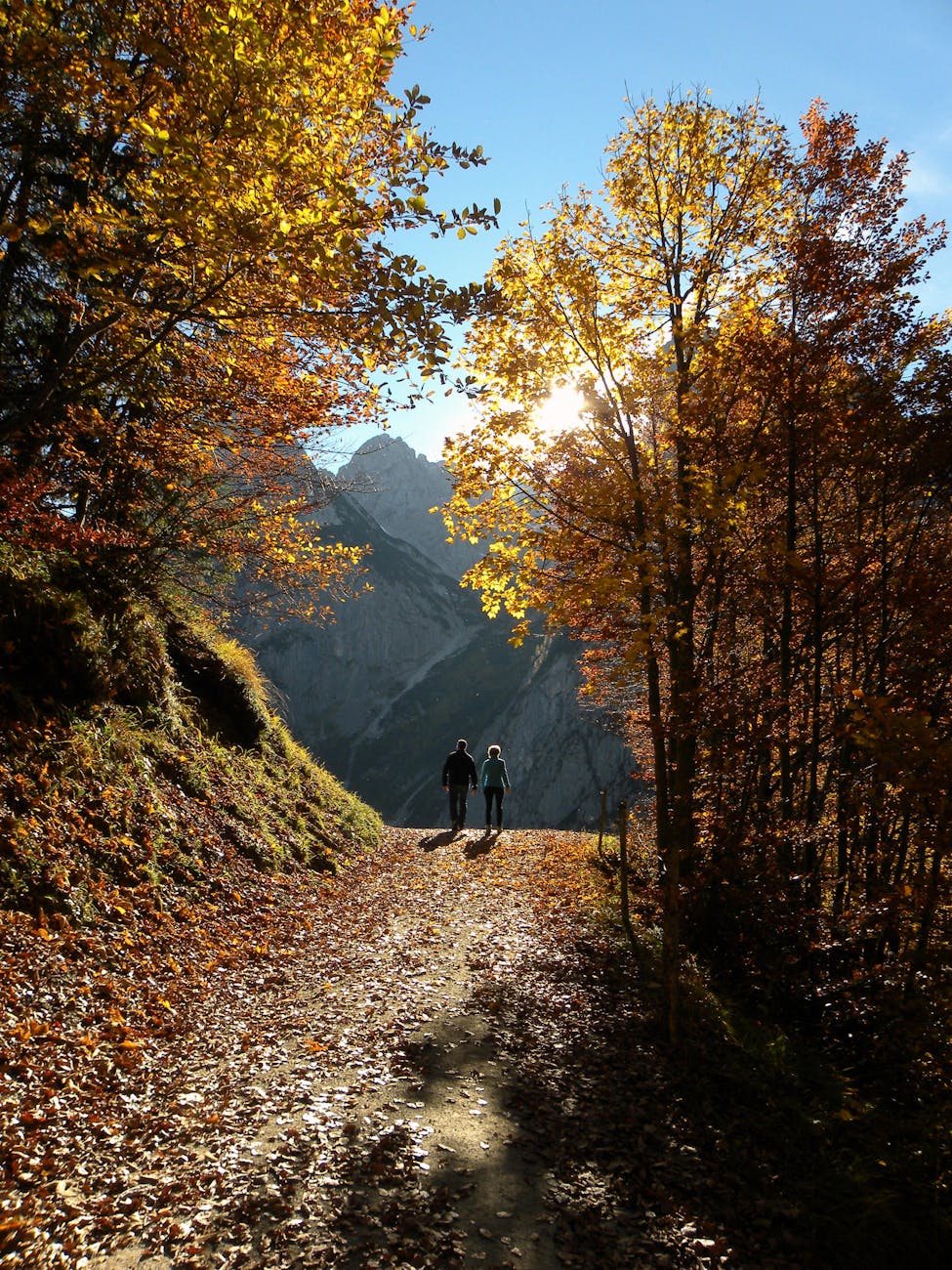
couple walking at pathway between trees
Fall Fitness: Outdoor Activities to Stay Active as the Weather Cools
Hiking trail
Photo by Valentin S on Pexels.com

As the summer heat fades and cooler, crisper air sets in, fall becomes an ideal time to refresh your fitness routine. Whether you’re an avid exerciser or just getting started, autumn offers plenty of opportunities to stay active outdoors while enjoying the beauty of the changing season. From hiking to outdoor yoga, the fall months provide a perfect backdrop for fitness activities that are both invigorating and enjoyable. Here are some ideas for staying active this fall while taking advantage of the weather and seasonal scenery.

1. Hiking and Nature Walks

Fall is the perfect time to hit the trails and enjoy the vibrant autumn foliage. Whether you’re exploring local parks, nature reserves, or mountain trails, hiking is a fantastic full-body workout that allows you to connect with nature while improving cardiovascular health.

  • Health Benefits: Hiking improves endurance, strengthens muscles, and promotes cardiovascular health. The varied terrain also engages your core and leg muscles, giving you a more comprehensive workout than walking on flat surfaces.
  • Tip: Dress in layers, as fall temperatures can change quickly. Make sure to bring a water bottle and choose footwear with good grip for potentially damp or slippery paths.

If you prefer a more relaxed pace, nature walks are an excellent way to stay active while taking in the sights and sounds of fall. They’re a great alternative to intense hikes, especially for beginners or families.

person stands on brown pathway
Photo by Tobi on Pexels.com

2. Running in the Crisp Autumn Air

Running during the fall is often more enjoyable than during the summer, thanks to cooler temperatures and scenic routes filled with changing leaves. Whether you’re a seasoned runner or just starting out, fall offers the perfect environment for outdoor running.

  • Health Benefits: Running improves cardiovascular health, burns calories, and strengthens your lower body. Running outdoors also boosts your mental health by reducing stress and increasing your exposure to fresh air and natural surroundings.
  • Tip: Use fall as an opportunity to sign up for a local 5K or charity run. Many communities host autumn-themed races, such as “Turkey Trots,” which can keep you motivated and add a sense of accomplishment to your routine.
woman in red sweater standing on pathway
Photo by Ivan Samkov on Pexels.com

3. Outdoor Yoga and Stretching

Take your yoga practice outdoors this fall to embrace the peaceful, serene surroundings of nature. Practicing yoga in a park, your backyard, or even on a quiet trail allows you to feel more connected to the environment while benefiting from the calming effects of mindful movement.

  • Health Benefits: Yoga improves flexibility, balance, and core strength while reducing stress and promoting mental clarity. Stretching in the cooler air can help prevent injuries and increase circulation, making it an excellent activity before or after a more intense workout.
  • Tip: Bring a thicker yoga mat to stay warm on cooler surfaces. Fall is also a great time to practice grounding poses, such as Tree Pose or Warrior II, which encourage stability and balance, mirroring the changes in nature.
woman inn sports bra exercising
Photo by cottonbro studio on Pexels.com

4. Cycling and Mountain Biking

Cycling is a low-impact exercise that allows you to cover more distance while enjoying the fall scenery. Whether you prefer road biking or mountain biking, fall provides a refreshing change from summer’s heat, with cooler weather making longer rides more comfortable.

  • Health Benefits: Cycling builds leg strength, enhances cardiovascular endurance, and improves joint mobility. Mountain biking also engages your core and upper body as you navigate challenging terrain, making it a full-body workout.
  • Tip: Invest in gloves, as fall weather can make your hands cold during longer rides. Always wear a helmet and follow proper safety guidelines, especially if you’re biking in areas with fallen leaves or wet paths.
man on bike trip in mountains
Photo by Tobi &Chris on Pexels.com

5. Group Sports and Outdoor Games

Fall is a great time to gather friends and family for outdoor sports and games. Whether it’s a casual game of soccer, flag football, or even Frisbee in the park, playing group sports is a fun way to stay active and enjoy the crisp air.

  • Health Benefits: Group sports help improve coordination, build strength, and enhance cardiovascular fitness. They also offer the added benefits of social interaction, teamwork, and mental well-being through fun and friendly competition.
  • Tip: Take advantage of community sports leagues that often start up in the fall. These leagues can include everything from softball to touch football and are a great way to stay active while making new connections.
yellow and black tennis ball in brown soil
Photo by Pixabay on Pexels.com

6. Fall-Themed Outdoor Boot Camps

Many fitness instructors offer seasonal outdoor boot camps, incorporating fun, fall-themed workouts in parks or open spaces. These high-intensity interval training (HIIT) sessions usually involve a mix of cardio, strength training, and bodyweight exercises, all while surrounded by the beauty of fall.

  • Health Benefits: Boot camp workouts are designed to improve cardiovascular fitness, burn calories, and build muscle strength. The variety of exercises also prevents boredom and challenges different muscle groups.
  • Tip: Wear breathable layers, as you’ll likely warm up quickly during intense exercises. Bring a water bottle and a towel, as outdoor boot camps can get sweaty even in cooler weather.
schoolgirl running in school yard during lesson
Photo by Mary Taylor on Pexels.com

7. Kayaking or Paddleboarding in Cooler Waters

Fall can also be an ideal time to hit the water for activities like kayaking, canoeing, or paddleboarding. The calm waters and cooler temperatures make for a serene and peaceful workout while allowing you to take in the stunning fall scenery from a different perspective.

  • Health Benefits: Kayaking and paddleboarding engage your core, shoulders, arms, and back, making them great upper-body workouts. These activities also promote balance and coordination while providing a low-impact, relaxing way to stay active.
  • Tip Wear moisture-wicking clothing and a lightweight jacket, as the water can be cooler during fall. Always follow safety guidelines, including wearing a life jacket, especially in unpredictable fall weather.
man on surf board
Photo by Peter Fazekas on Pexels.com

8. Gardening and Yard Work
Though many associate gardening with spring and summer, fall is also a great time for outdoor yard work. Raking leaves, planting fall flowers, or preparing your garden for winter are excellent ways to stay active while being productive outdoors.

  • Health Benefits: Gardening and yard work burn calories, build strength, and improve flexibility, all while providing the added mental benefits of spending time in nature.
  • Tip: Incorporate squats and lunges as you pick up leaves or plant bulbs to make the most of your movements. Stretch before and after to prevent stiffness, as cooler weather can make muscles tighter.
girl raking autumn leaves with toy rakes and wheelbarrow
Photo by Polesie Toys on Pexels.com

9. Outdoor Circuit Training
Create your own outdoor workout circuit using the natural elements around you. Parks, playgrounds, and even your own backyard can serve as settings for exercises like step-ups, push-ups, jumping jacks, and lunges.

  • Health Benefits: Circuit training is a full-body workout that improves cardiovascular health, burns calories, and builds muscle strength. The variety of exercises in a circuit helps target different muscle groups while keeping your heart rate elevated.
  • Tip: Use park benches, tree stumps, or playground equipment for exercises like tricep dips, incline push-ups, or step-ups. Bring along a resistance band or lightweight dumbbells to increase the challenge.

    Final Thoughts: Make the Most of Fall Fitness
    Fall offers a unique opportunity to refresh your fitness routine, thanks to the cooler temperatures, stunning scenery, and abundance of outdoor activities. Whether you’re taking a peaceful hike through the woods, enjoying a brisk run in the crisp air, or practicing yoga amidst the changing leaves, fall fitness can be both invigorating and calming. With the right layers, a few adjustments to your routine, and a focus on seasonal activities, you can stay active and energized throughout the season.
    Staying fit in the fall isn’t just about physical health; it’s also about boosting mental well-being by enjoying the beauty of nature and embracing the changes the season brings. Take advantage of this time to explore new activities, enjoy the outdoors, and set yourself up for a healthy, happy season ahead.

thank you signage
How do you express your gratitude?

“When one door of happiness closes, another opens; but often we look so long at the closed door that we do not see the one which has been opened for us.”

– Helen Keller

Expressing Gratitude: My Way and the Ways of Others

two person hugging photograph
Photo by cottonbro studio on Pexels.com

Gratitude is a powerful emotion, and I believe it’s important to find some way to express it, especially to the people we care about. We don’t hear as much positivity or appreciation these days as I think we should. For me, gratitude goes beyond words; it’s about action. I express my appreciation by doing things for the people I love. Whether it’s cooking their favorite meal, helping with a task, paying the parking toll on an experience or simply being there when they need someone to talk to, I find joy in these gestures. It’s my way of saying, “I see you, I appreciate you, and I’m thankful for you.”

But as I think about my approach, I’m curious about the many ways others choose to express their gratitude. Here are some ways people show appreciation:

  1. Words of Affirmation: Some people are natural wordsmiths, able to convey their gratitude through heartfelt notes, letters, or even a simple verbal “thank you.” They make sure the people they appreciate know it through their words.
  2. Gift-Giving: A thoughtful gift can be a tangible representation of gratitude. It doesn’t have to be extravagant—sometimes, it’s the small, meaningful gifts that speak the loudest.
  3. Acts of Service: Like me, many people express gratitude by doing things for others. This could be anything from helping with chores, running errands, or offering a helping hand when needed.
  4. Quality Time: Spending time with someone can be a profound way to show appreciation. In our busy lives, taking the time to be present with someone shows that we value and cherish them.
  5. Public Recognition: Some express gratitude by publicly acknowledging others, whether it’s through social media shoutouts, toasts at gatherings, or giving credit where it’s due in professional settings.
  6. Touch: For some, physical affection like hugs, pats on the back, or holding hands is a way to express their gratitude. It’s a warm, non-verbal way of saying, “I’m thankful for you.”
person writing on white paper
Photo by RDNE Stock project on Pexels.com

Everyone has their own unique way of showing gratitude, and each method is valid and meaningful in its own right. What’s important is that the appreciation is genuine and comes from the heart. How do you express gratitude? How do others in your life show it to you? Reflecting on this not only strengthens our connections but also deepens our understanding of what it means to be thankful.

tealight candle lit up
Navigating the Journey of Grief and Recovery: Finding Light in the Darkness
Candle vigil
Photo by Irina Anastasiu on Pexels.com

Some weeks, it feels like the world is caught in an endless cycle of chaos, with only a few bright moments scattered throughout. My heart goes out to the families affected by recent events, their friends, and everyone who has witnessed these tragedies in whatever way they resonate with you. In times like these, it’s crucial to find ways to take care of ourselves. Feel free to share how you practice self-care after encountering something difficult in the news or on social media.

Grief is a universal experience, yet it is deeply personal. It touches every corner of our lives, but no two people process it the same way. Whether it’s the loss of a loved one, the end of a significant relationship, or even a shift in life’s expectations, grief comes in many forms. While it often feels overwhelming and endless, recovery is possible—though it rarely follows a straight line.

woman sitting on floor
Photo by Andrea Piacquadio on Pexels.com

1. Understanding Grief: A Personal Journey

Grief is not just an emotion; it’s a journey. It can affect our physical health, disrupt daily routines, and bring about feelings of isolation. One of the key elements of grief is acknowledging that it’s okay to feel pain, anger, confusion, or even numbness. There is no “right” way to grieve, and each experience of loss is unique.

The stages of grief—denial, anger, bargaining, depression, and acceptance—are often presented as a linear path, but in reality, they can loop, repeat, or overlap. You may feel okay one moment and completely lost the next. It’s important to allow yourself the time and space to feel whatever comes, without judgment or expectation.

a woman crying at the cemetery
Photo by Arina Krasnikova on Pexels.com

2. Recovering: What Does It Really Mean?

Recovery doesn’t mean forgetting or moving on. Instead, it’s about learning how to live with the loss and finding ways to continue forward, carrying your grief with you. Healing looks different for everyone. For some, it may involve seeking therapy, support groups, or journaling. Others might find solace in creative outlets like art, music, or exercise.

Self-compassion plays a huge role in recovery. Treat yourself as you would a friend who’s grieving. Give yourself permission to have hard days and recognize that recovery is not a quick fix—it’s a process that requires patience and grace.

Physical well-being plays a part in emotional recovery, too. Simple acts like getting enough sleep, eating nourishing foods, and engaging in light physical activity can provide a much-needed sense of routine and normalcy. Recovery from grief isn’t only emotional—it’s holistic, involving both the mind and body.

Building a support system is also essential to recovery. Surrounding yourself with people who understand or are willing to listen helps ease the loneliness that often accompanies grief. Whether it’s close friends, family members, or a professional counselor, having a safe space to express your feelings can provide immense relief. It’s also okay to lean on others when your strength falters—reaching out for help is a sign of resilience, not weakness.

Lastly, allow yourself to rediscover joy. Grief can make it feel like happiness is no longer possible, but joy can exist alongside pain. Slowly, as you move through the stages of healing, moments of laughter or peace will emerge. Embrace them without guilt. Joy doesn’t diminish the importance of your loss; it honors your capacity to heal.

a man consoling his crying wife
Photo by Pavel Danilyuk on Pexels.com
red building with clock tower
What profession do you admire most and why?

“Try not to become a man of success but rather try to become a man of value.” 

– Albert Einstein
photography of a person wearing welding mask
Photo by Aman Jakhar on Pexels.com

I’ve always admired people who excel in tasks that I don’t do. Whether it’s fixing a leaky faucet, designing a building, or navigating complex legal matters, there’s something truly remarkable about someone who has dedicated time and effort to mastering their craft. This admiration goes beyond mere respect; it’s a recognition of the value that expertise brings to the table.

The other day, I was chatting with an engineer who confidently told me that most DIY tasks around the home are easy to handle. “Just watch a few videos on YouTube, and you can do anything,” they said. While I appreciate the accessibility of information today, I couldn’t help but think that there’s more to a job well done than just a quick tutorial.

person using dewalt cordless impact driver on brown board
Photo by Bidvine on Pexels.com

Sure, I could watch a video on how to fix my sink or patch a wall, but if I want the job done right, I’ll seek out someone who has done this more than a handful of times. Someone who has learned not just from a video but from years of hands-on experience. Someone who has taken the time to refine their skills and improve their craft. That’s why I value professionals in every field, whether it’s home repair, engineering, counseling, or coaching.

I’m a firm believer in the importance of expertise. I’ve taken the time to study, practice, and earn the necessary certifications in my field so I can provide the best service to others. My passion for what I do didn’t come from a couple of online videos; it came from years of learning, applying theories, and refining my approach. And I know that the same goes for others who have chosen to dedicate themselves to their professions.

crop unrecognizable office worker standing with papers in hand
Photo by Sora Shimazaki on Pexels.com

This is why I’m willing to schedule time with businesses and professionals who handle tasks outside my scope. Just like I trust my training and experience in my field, I trust others who have done the same in theirs. I appreciate the time and energy they’ve invested to become experts, and I respect their commitment to doing things the right way.

So, to anyone who has taken the time to learn, grow, and improve in their field, I want to say that I admire and respect you. Your dedication to your craft is not only valuable but also essential. Whether you’re a carpenter, a lawyer, a therapist, or an engineer, your expertise is what makes the difference between a job done and a job well done.

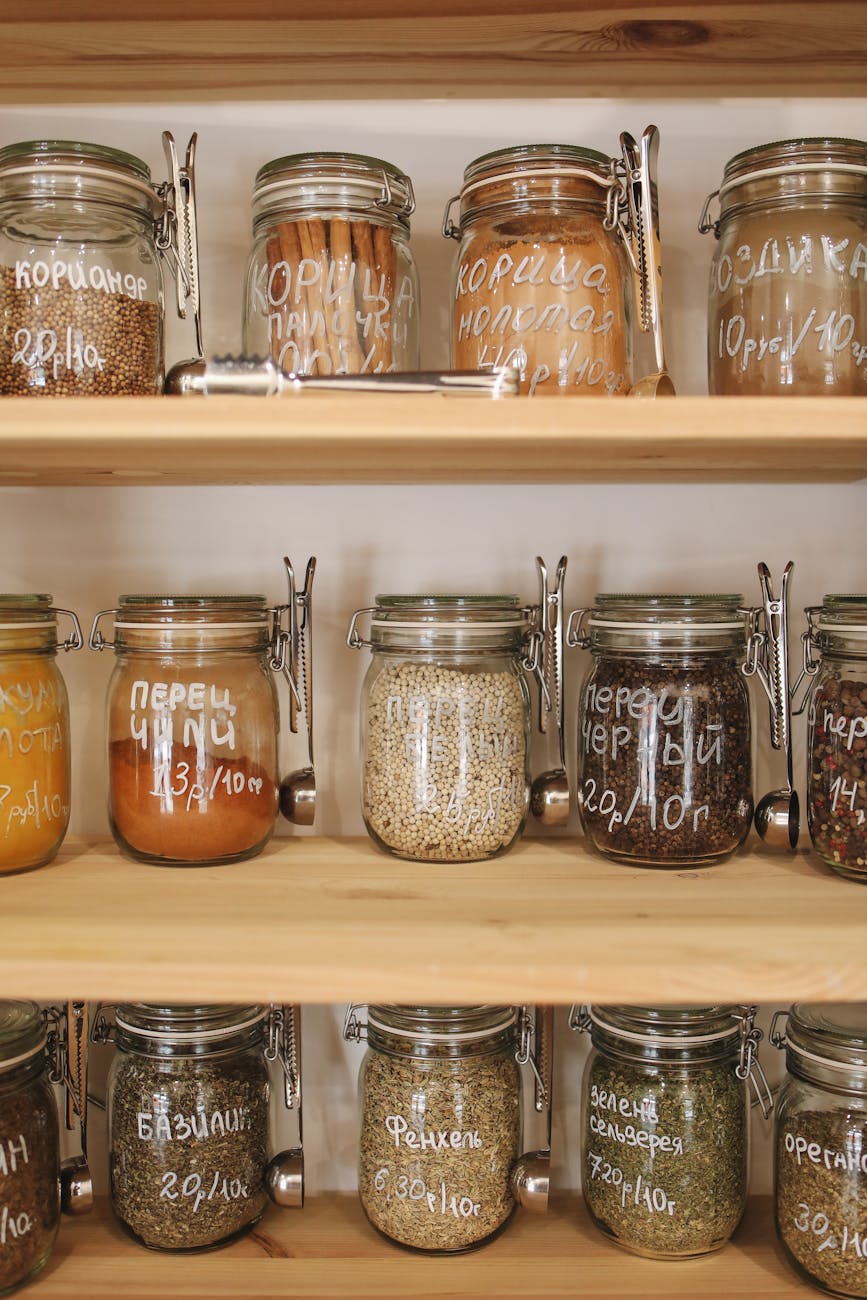
variety of spices in glass jars on wooden shelves
Community Support – NE Wisconsin

Today’s times are challenging, for those who may be in need here are some local to Appleton Food Pantries.

St. Vincent De Paul in Neenah food pantry has a new building! It is next door to St. Vincent now in the old day care center!! If you are a Neenah Menasha resident check it out!! Hours are Wednesday 10:30-12:30 Wednesday 3:30-5:30 Friday 10:30-12:30 and Saturday 10:00am to noon

Cornerstone Church of the Fox Valley
357 Broad St., Menasha
Hours: First & Third Saturday of the month: 8:30AM-10:00AM

Ruby’s Pantry
First Saturday of every month
8 AM- 10 am
$25 per share
Be there by 7 am if you have cash.
N1615 Meadowview Dr., Greenville
Hours: First Saturday of the month: Doors open at 7:00AM, food given out from 8:00AM-10:00AM

St. Joseph Food Pantry
1465 Opportunity Way, Menasha
(920)734-9461
As of April 3, 2023, St. Joe’s will have new DISTRIBUTION hours. We are adding 50% more distribution hours to help serve our clients. Extending Monday evening and adding our Tuesday/Thursday distribution times ensures overlapping with the Community Clothes Closet hours, allowing for ease of services for our clients. If you are interested in volunteering, please contact our Volunteer Coordinator, Peggy Lynch, at 734-9461 ext. 313.

ATC in Appleton on 2720 Kesting Ct.
Is Tuesdays from 630-830 drive thru style.

Dale Food Pantry
N848 Industrial Dr., Dale
(920)779-6705
Hours: Wed: 12:00PM-1:30PM, 5:30PM-6:30PM
You must live in a specific area to receive help at this pantry.

Helping 2nd Hands:
Wed: 10:00AM-6:30PM

Call Christ the Rock in Menasha
If you or someone you know is in need of food, our Food Pantry at Christ the Rock Community Church
in Menasha is open every Tuesday:
8:30-9:30 am and 5:30-6:30 pm.
We have pre-packed bags available for drive-up, no contact pickup.
Anyone in need of food is welcome!

If you have a medical issue that limits what you can eat (such as food allergies or Celiac disease), please call by Friday at 5 pm and leave a message so we can have a bag packed for next Tuesday’s pickup:
920.730.8383 ext. 416.

MillCity Church in Neenah. Email them at: welcomehome@millcityneenah.com and let them know you need help.
MillCity Church
120 North Lake Street
Neenah
Every Sunday during services
Have a blessed week!!!

Boys and Girls Club of the Fox Valley
160 S. Badger Ave., Appleton &
600 Racine St., Menasha
Planning to provide bagged meals for kids through a “drive-thru” set up while schools are shut down.

Salvation Army
130 E. North St., Appleton
Hours: Monday-Friday 8:30AM-12:00PM

Loaves and Fishes of the Fox Valley
213 E Wisconsin Ave, Appleton
Hours: Monday, Wednesday, Friday: 5:30-6:30PM – Family Meal

Cornerstone Church of the Fox Valley
357 Broad St., Menasha
Hours: First & Third Saturday of the month: 8:30AM-10:00AM

Freedom Center Food Pantry
(ID needed)
1110 S. Oneida St., Appleton
Every other Wednesday
Hours: 2:45 PM – 6:00 PM

Faith Community Church in Waupaca.
N2541 County Trunk K
Waupaca, WI
(across State Highway 22 from Waupaca High School)
Loaves and Fishes distributes food from 11:30 a.m. to 1 p.m.
families whose last names begin with
A-L go the second Friday and
M-Z go on the fourth Friday of every month.

Ann Guerin states:
“Anyone in need of food is never turned away.”
Loaves and Fishes asks for a donation of 25 cents per pound to fill a box with food.

When they walk into the food pantry, participants receive a starter box and box to fill, usually the size of those used to ship bananas.

No proof of income or residency is required.

For more information contact
Ann Guerin at 920-562-8931 or
Elisha Barnett at 920-867-4707.

Faith Community Church is located at N2541 County Trunk K, across State Highway 22 from Waupaca High School

LITTLE FREE PANTRY LIST

*** Little Free Pantry- Hortonville WI 🙂 open 24-7 — 365 located in the Police Dept entrance of the Village Community Center/Library where people can get things & donate things in the community.

***Little Free Pantry inside of the Kaukauna Library Yes, they have a pantry inside that is open every day when they are open, go through the doors; You’re going to go past the librarian’s desk on left side going in the room to the left, immediately turn right and it is along the back wall.
2 shelving units of items. Hygiene items, diapers, formula, hats, scarfs, canned vegetables, soups, noodles.
If you have things, you won’t use you can take them there too.
Open during library hours only.
8 am – 8 pm

***Little Free Pantry outside of the Little Chute COMMUNITY Library.

*** Located outside @Horace Mann Middle School in Neenah.
FOOD is Available
24 hours a day / 7 days a week –
365 days per year.

As a reminder, please only take what you need, so there is some for the next person in need.

If able, when able, please support these little Free Food Pantries where anyone can get food items and donate food items to people in need in our communities.

Thank you to everyone who contributes.