Samantha Hanson, LPC, ATR, Clini-Coach®
happy new year text
2025 Bingo Card!
pexels-photo-29509385.jpeg
Photo by Matheus Bertelli on Pexels.com

It’s that time of the year again! Many will be planning or have planned ways they want to improve their year going forward, the hardest part can be sticking with those plans. Making goals fun is how I like to stick to those and see what I have accomplished at the end. I saw on TikTok a great idea to create your own Bingo card. You could create your own on your phone, computer or hand draw it! But most importantly, keep it in a place you will see it regularly. I plan to draw mine out and put it on my fridge so I will see it and keep it in the forefront of my mind throughout the year.

Creating a bingo card for New Year’s resolutions is a fun and engaging way to stay motivated throughout the year! Each square can represent a resolution or goal, ranging from personal development to adventurous challenges. It’s a great idea in order to make your goals easy and fun to achieve, then at the end of the year see if you hit Bingo!! It can be specific or general or just ideas on how to de-stress or change habits. Here’s a sample layout:

New Year’s Resolutions Bingo Card

(5×5 grid)

BINGO
Drink more waterRead 10 booksTry a new hobbyVolunteer locallyMeditate weekly
Exercise 3x/weekSave $500Organize your closetExplore a new cityGo camping
Meal prep weeklyTake a social media breakFREE SPACEJoin a local activityTry a new recipe
Learn a new skillHike the Ice Age TrailPaint my bedroomPay off a debtWatch a documentary
Take a daily walkPractice a musical instrumentLimit screen timeDeclutter your closetCompliment someone
letter tiles beside mandarins
Photo by Anna Tarazevich on Pexels.com
you are not alone quote board on brown wooden frame
November: A Month of Mental Health Awareness and Compassion

This year has flown by, and we are already mid November. November offers us a unique opportunity to reflect, raise awareness, and foster compassion. It’s a month dedicated not only to celebrating cultural and personal identity but also to recognizing the profound impact of mental health on our lives and communities. Let’s explore how November’s observances connect to mental health and why they’re so crucial in fostering understanding and support.


National Family Caregivers Month

Caregivers play a vital role in supporting loved ones, often at great emotional and physical expense to themselves. Many face burnout, stress, and isolation as they juggle their responsibilities. This month encourages us to honor caregivers by recognizing their challenges, offering resources, and ensuring they feel supported in their own mental health journeys.

an old man lying down on a bed with a woman standing near him
Photo by Yaroslav Shuraev on Pexels.com

How You Can Help:

  • Offer a listening ear to a caregiver in your life.
  • Encourage them to seek respite care or counseling if needed.
  • Share resources like caregiver support groups and hotlines.
  • Be empathetic if they ask and do not follow through, the amount of responsibility they have felt for so long may be hard to see past.

National Diabetes Month

Living with diabetes is more than a physical health challenge—it also impacts mental health. The constant need for monitoring, management, and lifestyle adjustments can lead to stress, anxiety, and depression. For many, this journey highlights the intersection of physical and mental well-being.

woman in white shirt holding a glucometer
Photo by Polina Tankilevitch on Pexels.com

How You Can Help:

  • Learn about diabetes and the emotional toll it can take.
  • Support loved ones by encouraging healthy habits without judgment.
  • Advocate for better mental health resources in chronic illness care.

Native American Heritage Month

This month honors the history, culture, and contributions of Native American communities while acknowledging the systemic barriers they face. Generational trauma, health disparities, and a lack of access to mental health services are persistent challenges in these communities. Celebrating their resilience while advocating for equity is key.

photo of two native americans playing woodwind instruments
Photo by Gabriela Custódio da Silva on Pexels.com

How You Can Help:

  • Educate yourself about Native American history and present-day struggles.
  • Support organizations providing culturally competent mental health care for Indigenous people.
  • Celebrate and amplify Native voices in your community.

Transgender Awareness Week (Nov. 13-19) & Transgender Day of Remembrance (Nov. 20)

Transgender individuals face unique mental health challenges, including discrimination, family rejection, and an increased risk of violence. Transgender Awareness Week highlights the need for understanding and advocacy, while the Transgender Day of Remembrance honors those lost to anti-transgender violence.

cubes spelling the word transgender
Photo by Alexander Grey on Pexels.com

How You Can Help:

  • Use inclusive language and respect people’s pronouns.
  • Advocate for trans-inclusive mental health policies.
  • Remember and honor trans lives by attending local or virtual events.

International Survivors of Suicide Loss Day (Nov. 23)

This day is a time for those who have lost someone to suicide to come together, share their stories, and heal. It underscores the importance of breaking the stigma around suicide and prioritizing mental health support for those left behind.

purple petaled flowers near black book
Photo by Thought Catalog on Pexels.com

How You Can Help:

  • Attend or promote events supporting survivors of suicide loss.
  • Familiarize yourself with resources like the American Foundation for Suicide Prevention.
  • Offer empathy and understanding to those who have experienced this loss.

Bringing It All Together

November reminds us that mental health is a shared responsibility. By acknowledging these observances and the people they impact, we can create a more empathetic and supportive world. Whether through learning, advocacy, or simply showing up for someone, every action matters.

Let this month inspire us to look out for each other and to prioritize mental health—not just in November, but all year long.


What are you doing to support mental health awareness this month? Share your thoughts and let’s keep the conversation going.

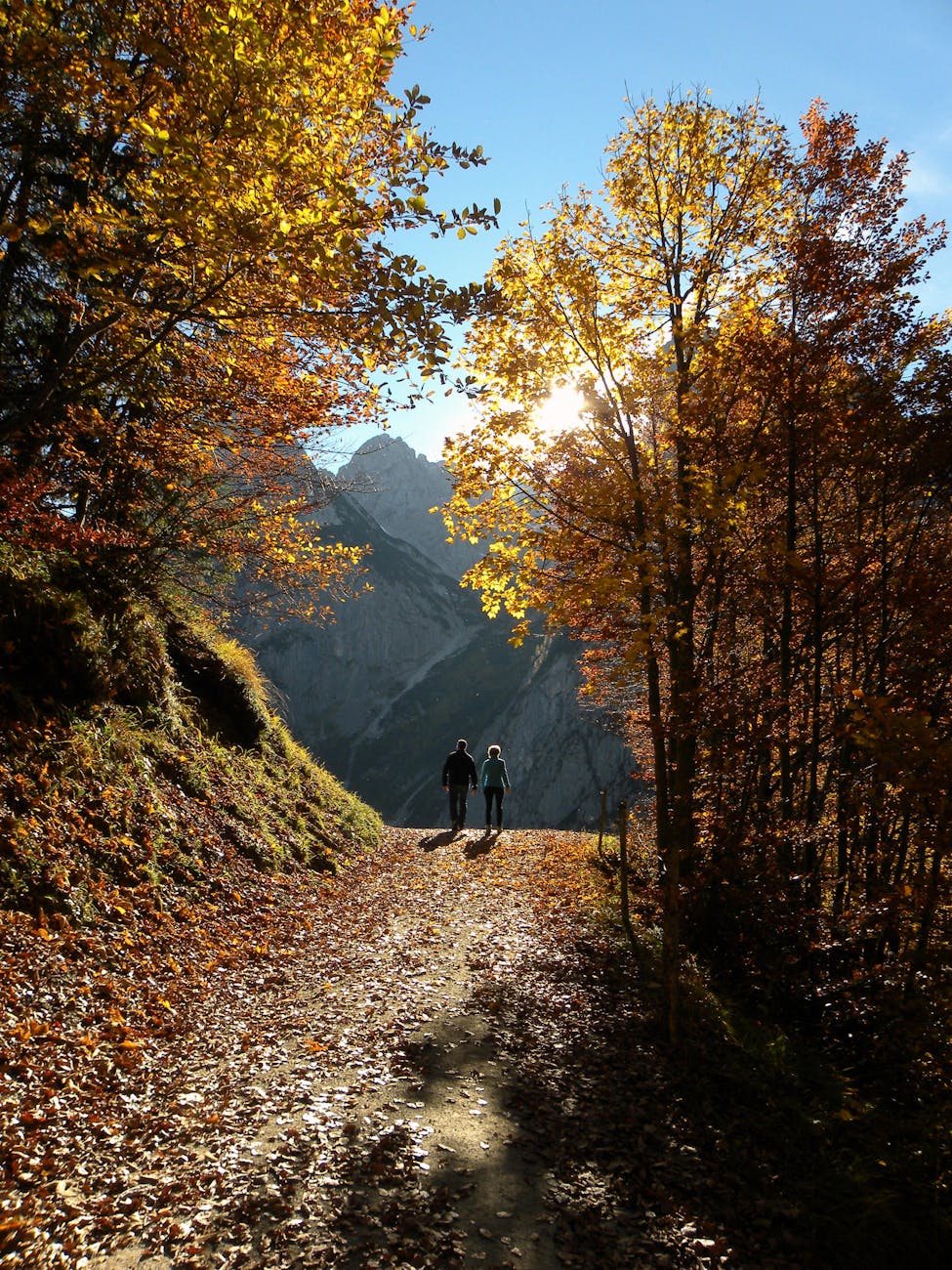
couple walking at pathway between trees
Fall Fitness: Outdoor Activities to Stay Active as the Weather Cools
Hiking trail
Photo by Valentin S on Pexels.com

As the summer heat fades and cooler, crisper air sets in, fall becomes an ideal time to refresh your fitness routine. Whether you’re an avid exerciser or just getting started, autumn offers plenty of opportunities to stay active outdoors while enjoying the beauty of the changing season. From hiking to outdoor yoga, the fall months provide a perfect backdrop for fitness activities that are both invigorating and enjoyable. Here are some ideas for staying active this fall while taking advantage of the weather and seasonal scenery.

1. Hiking and Nature Walks

Fall is the perfect time to hit the trails and enjoy the vibrant autumn foliage. Whether you’re exploring local parks, nature reserves, or mountain trails, hiking is a fantastic full-body workout that allows you to connect with nature while improving cardiovascular health.

  • Health Benefits: Hiking improves endurance, strengthens muscles, and promotes cardiovascular health. The varied terrain also engages your core and leg muscles, giving you a more comprehensive workout than walking on flat surfaces.
  • Tip: Dress in layers, as fall temperatures can change quickly. Make sure to bring a water bottle and choose footwear with good grip for potentially damp or slippery paths.

If you prefer a more relaxed pace, nature walks are an excellent way to stay active while taking in the sights and sounds of fall. They’re a great alternative to intense hikes, especially for beginners or families.

person stands on brown pathway
Photo by Tobi on Pexels.com

2. Running in the Crisp Autumn Air

Running during the fall is often more enjoyable than during the summer, thanks to cooler temperatures and scenic routes filled with changing leaves. Whether you’re a seasoned runner or just starting out, fall offers the perfect environment for outdoor running.

  • Health Benefits: Running improves cardiovascular health, burns calories, and strengthens your lower body. Running outdoors also boosts your mental health by reducing stress and increasing your exposure to fresh air and natural surroundings.
  • Tip: Use fall as an opportunity to sign up for a local 5K or charity run. Many communities host autumn-themed races, such as “Turkey Trots,” which can keep you motivated and add a sense of accomplishment to your routine.
woman in red sweater standing on pathway
Photo by Ivan Samkov on Pexels.com

3. Outdoor Yoga and Stretching

Take your yoga practice outdoors this fall to embrace the peaceful, serene surroundings of nature. Practicing yoga in a park, your backyard, or even on a quiet trail allows you to feel more connected to the environment while benefiting from the calming effects of mindful movement.

  • Health Benefits: Yoga improves flexibility, balance, and core strength while reducing stress and promoting mental clarity. Stretching in the cooler air can help prevent injuries and increase circulation, making it an excellent activity before or after a more intense workout.
  • Tip: Bring a thicker yoga mat to stay warm on cooler surfaces. Fall is also a great time to practice grounding poses, such as Tree Pose or Warrior II, which encourage stability and balance, mirroring the changes in nature.
woman inn sports bra exercising
Photo by cottonbro studio on Pexels.com

4. Cycling and Mountain Biking

Cycling is a low-impact exercise that allows you to cover more distance while enjoying the fall scenery. Whether you prefer road biking or mountain biking, fall provides a refreshing change from summer’s heat, with cooler weather making longer rides more comfortable.

  • Health Benefits: Cycling builds leg strength, enhances cardiovascular endurance, and improves joint mobility. Mountain biking also engages your core and upper body as you navigate challenging terrain, making it a full-body workout.
  • Tip: Invest in gloves, as fall weather can make your hands cold during longer rides. Always wear a helmet and follow proper safety guidelines, especially if you’re biking in areas with fallen leaves or wet paths.
man on bike trip in mountains
Photo by Tobi &Chris on Pexels.com

5. Group Sports and Outdoor Games

Fall is a great time to gather friends and family for outdoor sports and games. Whether it’s a casual game of soccer, flag football, or even Frisbee in the park, playing group sports is a fun way to stay active and enjoy the crisp air.

  • Health Benefits: Group sports help improve coordination, build strength, and enhance cardiovascular fitness. They also offer the added benefits of social interaction, teamwork, and mental well-being through fun and friendly competition.
  • Tip: Take advantage of community sports leagues that often start up in the fall. These leagues can include everything from softball to touch football and are a great way to stay active while making new connections.
yellow and black tennis ball in brown soil
Photo by Pixabay on Pexels.com

6. Fall-Themed Outdoor Boot Camps

Many fitness instructors offer seasonal outdoor boot camps, incorporating fun, fall-themed workouts in parks or open spaces. These high-intensity interval training (HIIT) sessions usually involve a mix of cardio, strength training, and bodyweight exercises, all while surrounded by the beauty of fall.

  • Health Benefits: Boot camp workouts are designed to improve cardiovascular fitness, burn calories, and build muscle strength. The variety of exercises also prevents boredom and challenges different muscle groups.
  • Tip: Wear breathable layers, as you’ll likely warm up quickly during intense exercises. Bring a water bottle and a towel, as outdoor boot camps can get sweaty even in cooler weather.
schoolgirl running in school yard during lesson
Photo by Mary Taylor on Pexels.com

7. Kayaking or Paddleboarding in Cooler Waters

Fall can also be an ideal time to hit the water for activities like kayaking, canoeing, or paddleboarding. The calm waters and cooler temperatures make for a serene and peaceful workout while allowing you to take in the stunning fall scenery from a different perspective.

  • Health Benefits: Kayaking and paddleboarding engage your core, shoulders, arms, and back, making them great upper-body workouts. These activities also promote balance and coordination while providing a low-impact, relaxing way to stay active.
  • Tip Wear moisture-wicking clothing and a lightweight jacket, as the water can be cooler during fall. Always follow safety guidelines, including wearing a life jacket, especially in unpredictable fall weather.
man on surf board
Photo by Peter Fazekas on Pexels.com

8. Gardening and Yard Work
Though many associate gardening with spring and summer, fall is also a great time for outdoor yard work. Raking leaves, planting fall flowers, or preparing your garden for winter are excellent ways to stay active while being productive outdoors.

  • Health Benefits: Gardening and yard work burn calories, build strength, and improve flexibility, all while providing the added mental benefits of spending time in nature.
  • Tip: Incorporate squats and lunges as you pick up leaves or plant bulbs to make the most of your movements. Stretch before and after to prevent stiffness, as cooler weather can make muscles tighter.
girl raking autumn leaves with toy rakes and wheelbarrow
Photo by Polesie Toys on Pexels.com

9. Outdoor Circuit Training
Create your own outdoor workout circuit using the natural elements around you. Parks, playgrounds, and even your own backyard can serve as settings for exercises like step-ups, push-ups, jumping jacks, and lunges.

  • Health Benefits: Circuit training is a full-body workout that improves cardiovascular health, burns calories, and builds muscle strength. The variety of exercises in a circuit helps target different muscle groups while keeping your heart rate elevated.
  • Tip: Use park benches, tree stumps, or playground equipment for exercises like tricep dips, incline push-ups, or step-ups. Bring along a resistance band or lightweight dumbbells to increase the challenge.

    Final Thoughts: Make the Most of Fall Fitness
    Fall offers a unique opportunity to refresh your fitness routine, thanks to the cooler temperatures, stunning scenery, and abundance of outdoor activities. Whether you’re taking a peaceful hike through the woods, enjoying a brisk run in the crisp air, or practicing yoga amidst the changing leaves, fall fitness can be both invigorating and calming. With the right layers, a few adjustments to your routine, and a focus on seasonal activities, you can stay active and energized throughout the season.
    Staying fit in the fall isn’t just about physical health; it’s also about boosting mental well-being by enjoying the beauty of nature and embracing the changes the season brings. Take advantage of this time to explore new activities, enjoy the outdoors, and set yourself up for a healthy, happy season ahead.

thank you signage
How do you express your gratitude?

“When one door of happiness closes, another opens; but often we look so long at the closed door that we do not see the one which has been opened for us.”

– Helen Keller

Expressing Gratitude: My Way and the Ways of Others

two person hugging photograph
Photo by cottonbro studio on Pexels.com

Gratitude is a powerful emotion, and I believe it’s important to find some way to express it, especially to the people we care about. We don’t hear as much positivity or appreciation these days as I think we should. For me, gratitude goes beyond words; it’s about action. I express my appreciation by doing things for the people I love. Whether it’s cooking their favorite meal, helping with a task, paying the parking toll on an experience or simply being there when they need someone to talk to, I find joy in these gestures. It’s my way of saying, “I see you, I appreciate you, and I’m thankful for you.”

But as I think about my approach, I’m curious about the many ways others choose to express their gratitude. Here are some ways people show appreciation:

  1. Words of Affirmation: Some people are natural wordsmiths, able to convey their gratitude through heartfelt notes, letters, or even a simple verbal “thank you.” They make sure the people they appreciate know it through their words.
  2. Gift-Giving: A thoughtful gift can be a tangible representation of gratitude. It doesn’t have to be extravagant—sometimes, it’s the small, meaningful gifts that speak the loudest.
  3. Acts of Service: Like me, many people express gratitude by doing things for others. This could be anything from helping with chores, running errands, or offering a helping hand when needed.
  4. Quality Time: Spending time with someone can be a profound way to show appreciation. In our busy lives, taking the time to be present with someone shows that we value and cherish them.
  5. Public Recognition: Some express gratitude by publicly acknowledging others, whether it’s through social media shoutouts, toasts at gatherings, or giving credit where it’s due in professional settings.
  6. Touch: For some, physical affection like hugs, pats on the back, or holding hands is a way to express their gratitude. It’s a warm, non-verbal way of saying, “I’m thankful for you.”
person writing on white paper
Photo by RDNE Stock project on Pexels.com

Everyone has their own unique way of showing gratitude, and each method is valid and meaningful in its own right. What’s important is that the appreciation is genuine and comes from the heart. How do you express gratitude? How do others in your life show it to you? Reflecting on this not only strengthens our connections but also deepens our understanding of what it means to be thankful.

red building with clock tower
What profession do you admire most and why?

“Try not to become a man of success but rather try to become a man of value.” 

– Albert Einstein
photography of a person wearing welding mask
Photo by Aman Jakhar on Pexels.com

I’ve always admired people who excel in tasks that I don’t do. Whether it’s fixing a leaky faucet, designing a building, or navigating complex legal matters, there’s something truly remarkable about someone who has dedicated time and effort to mastering their craft. This admiration goes beyond mere respect; it’s a recognition of the value that expertise brings to the table.

The other day, I was chatting with an engineer who confidently told me that most DIY tasks around the home are easy to handle. “Just watch a few videos on YouTube, and you can do anything,” they said. While I appreciate the accessibility of information today, I couldn’t help but think that there’s more to a job well done than just a quick tutorial.

person using dewalt cordless impact driver on brown board
Photo by Bidvine on Pexels.com

Sure, I could watch a video on how to fix my sink or patch a wall, but if I want the job done right, I’ll seek out someone who has done this more than a handful of times. Someone who has learned not just from a video but from years of hands-on experience. Someone who has taken the time to refine their skills and improve their craft. That’s why I value professionals in every field, whether it’s home repair, engineering, counseling, or coaching.

I’m a firm believer in the importance of expertise. I’ve taken the time to study, practice, and earn the necessary certifications in my field so I can provide the best service to others. My passion for what I do didn’t come from a couple of online videos; it came from years of learning, applying theories, and refining my approach. And I know that the same goes for others who have chosen to dedicate themselves to their professions.

crop unrecognizable office worker standing with papers in hand
Photo by Sora Shimazaki on Pexels.com

This is why I’m willing to schedule time with businesses and professionals who handle tasks outside my scope. Just like I trust my training and experience in my field, I trust others who have done the same in theirs. I appreciate the time and energy they’ve invested to become experts, and I respect their commitment to doing things the right way.

So, to anyone who has taken the time to learn, grow, and improve in their field, I want to say that I admire and respect you. Your dedication to your craft is not only valuable but also essential. Whether you’re a carpenter, a lawyer, a therapist, or an engineer, your expertise is what makes the difference between a job done and a job well done.

Differences between Intensive Workshops and Therapy Groups ( make social posts from this )

Within mental health and personal growth, individuals often seek various forms of support and interventions to navigate their challenges and improve their well-being. Two common options that people consider are therapy groups and intensive workshops. While both serve as valuable tools for self-exploration and development, they differ in their formats, goals, and approaches. Here, we will explore the differences between therapy groups and intensive workshops to help you better understand which option may be most suitable for your needs.

Therapy Groups:
Therapy groups typically consist of a small number of individuals who come together regularly, facilitated by a trained therapist or counselor. These groups provide a safe and supportive environment for members to explore their thoughts, feelings, and behaviors, and to gain insights into their challenges and strengths. Therapy groups may focus on specific issues such as anxiety, depression, trauma, or relationship issues, and members often share their experiences, offer feedback, and learn from one another’s perspectives.

Key Characteristics of Therapy Groups:

  1. Regular meetings over an extended period (e.g., weekly or bi-weekly sessions).
  2. Led by a trained therapist or counselor who facilitates discussions and provides guidance.
  3. Emphasis on sharing personal experiences, processing emotions, and gaining self-awareness.
  4. Opportunity for members to receive support, feedback, and validation from peers.

Intensive Workshops:
Intensive workshops are typically short-term, immersive experiences that focus on a specific theme or goal, such as stress management, communication skills, or personal growth. These workshops may last anywhere from a few hours to several days and often involve a structured curriculum, experiential activities, and group exercises aimed at fostering insight, learning new skills, and promoting personal transformation. Intensive workshops can be intense and emotionally challenging, but they also offer a concentrated opportunity for deep exploration and growth.

Key Characteristics of Intensive Workshops:

  1. Short-term and immersive experience, often lasting a few hours to several days.
  2. Structured curriculum with specific goals and learning objectives.
  3. Incorporation of experiential activities, role-playing, and group exercises.
  4. Focus on personal growth, skill-building, and transformative experiences.

Choosing Between Therapy Groups and Intensive Workshops:
When deciding between therapy groups and intensive workshops, it’s important to consider your specific needs, preferences, and goals. Therapy groups are ideal for individuals seeking ongoing support, deeper self-exploration, and interpersonal connection over an extended period. On the other hand, intensive workshops are well-suited for those looking for a quicker, focused experience to learn new skills, gain insights, and jumpstart personal growth in a shorter timeframe.

Ultimately, both therapy groups and intensive workshops can be valuable resources for individuals searching to improve their well-being, develop self-awareness, and cultivate meaningful connections with others. By understanding the differences between these two options, you can make an informed decision that aligns with your unique needs and aspirations on your journey toward personal growth and healing.

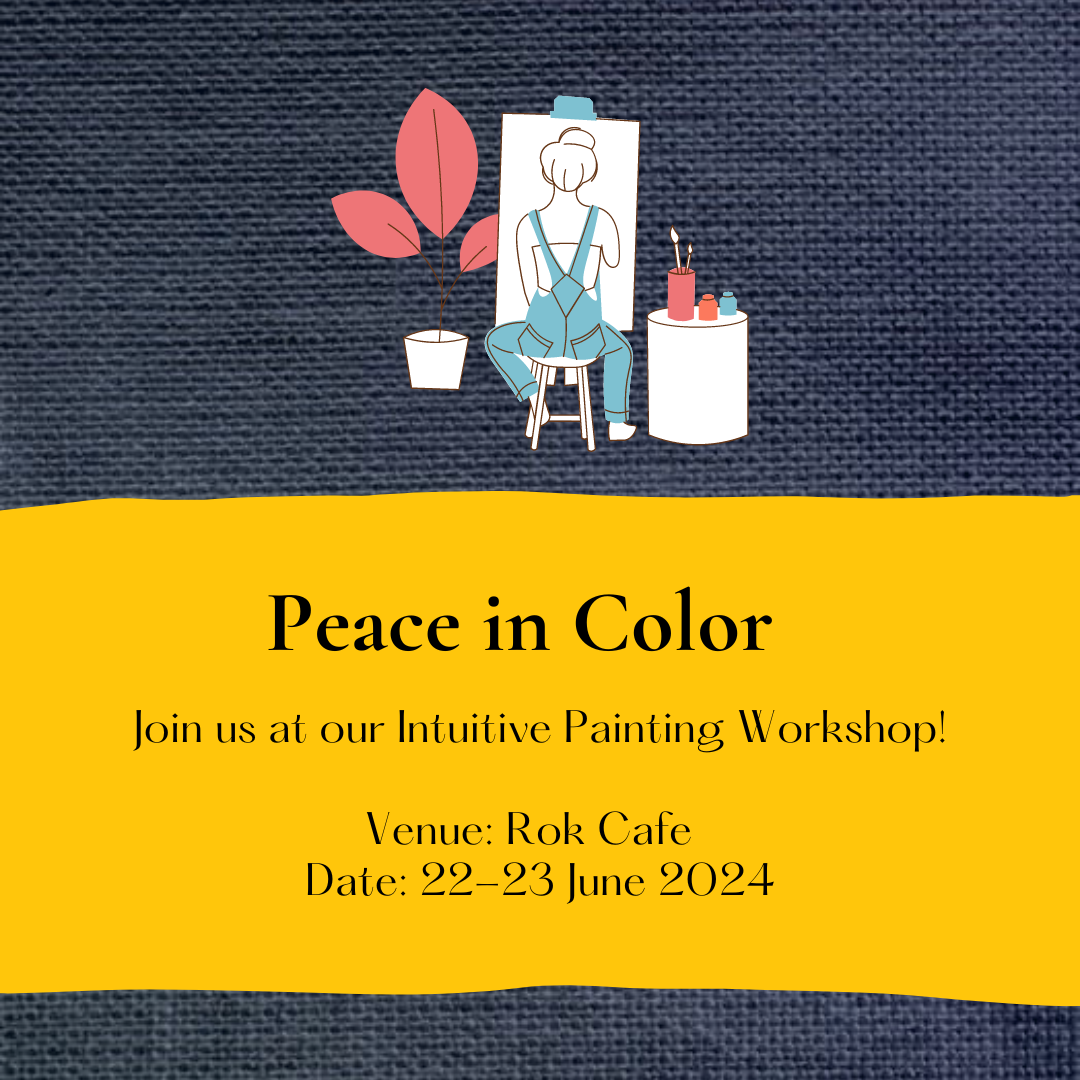
Make sure to check out the new Intuitive Painting Workshop here!

Peace in Color- Intuitive Art Workshop

Collaborative Creative Coaching
with Samantha Hanson and Tina Gray Siebers

Are you ready to explore your creativity, overcome fears, and reconnect with your inner child? Join our Intuitive Art Intensive Workshop, a transformative experience designed to help you express yourself, face challenges, and find joy in artistic expression. No prior art experience is necessary—just bring your willingness to explore and create.

This is a two-day intensive workshop, led by two professional counselors—one a registered art therapist. However, this is not a therapy group! It is a small retreat from daily life, designed to guide participants through an intuitive painting process.

Workshop Goals:
Try Something New: Step outside your comfort zone.
Overcome Fear: Let go of the fear of failure or judgment.
Self-Discovery: Learn how you handle challenges.
Feel Positive: End with a sense of achievement.
Have Fun: Enjoy playful, creative activities.
Stress Relief: Take a refreshing break from daily stress.

Workshop will include
Open mindedness and experimentation in a judgement free zone,
Setting Intentions
Warm-Up Exercise: “Zen Tangle”
Independent Reflection and Sharing
option to purchase beverages on site at ROK cafe

Disclaimer: This is a vulnerable open space. Be mindful of sharing work that may be considered taboo outside of the workshop with non participants who may not understand.

Join Us June 22 and 23rd – Registration closes June 17th and space is limited to 8 attendees!
4 minimum needed to hold the workshop.

Perfect for all skill levels, our workshop offers a supportive and enriching environment to unlock your creative potential.Secure your spot today to avoid missing out as spots are filling up fast. Don’t let the stress of the week distract you—reserve now!

For more information and to register, visit Here. We look forward to creating with you!


**please note spots are non refundable due to the time and preparation to prepare for your seat we appreciate your understanding if you are a no show or notify us day of, of no attendance.**

person holding smartphone while sitting
What is Social Media to me?

Prompt: How do you use social media?

I use social media as a way to share what I do with others. Not only what, but why as I feel that is important to know to some extent. Transparency and being genuine are an important part of my foundation as a business owner, regardless of which set of services I am portraying,

pexels-photo-1092671.jpeg
Photo by Lisa Fotios on Pexels.com

When connecting with any healthcare individual it’s important to feel comfortable, and by sharing a bit of my neurospicy self ahead of time I hope that helps with one’s process. One positive of the technology and social media is I can share videos about myself and my services, I just need to work on my anxiety of talking in front of others! (Always easier to help others then to help myself- at least I’m no longer in front of a class of peers).

Growing up I learned about being a business owner from my dad, he would go to continuing education conferences being in a different part of healthcare and meet others locally by referring in nearby towns. Every time we went to the store people knew him and because it’s a small town, knew me or my brothers and asked how things were going. Back then everything was by in person events, newspaper ads, phone calls and insurance referrals of course.

Today’s marketing is similar but different. I am in a different type of healthcare which provides me opportunities to share information and education with you. I also send out snail mail including yearly Christmas cards to referrals, “I am here!” Letters or post cards to ones I may not have connected with, as well as “new location!” Post cards due to moving, again, and boy am I tired of moving. I am feeling a good fit at 516 E Wisconsin Ave in Appleton and 404 N Main in Oshkosh and am in the process of making my space more functional and professional for clients- updated photos will come soon!

a vintage camera on brown paper
Photo by Eva Bronzini on Pexels.com

When I began, I sent out a paper packet including a letter, brochure, business cards and heat color changing pencils to other businesses. A card saying let’s get coffee! (virtually as it was the pandemic year), and this year I have started having those coffees (in person even!) and making new connections. Part of how I’m receiving this reach is because I update my social media and my online directories, a combination of past and present-day networking and advertising. The more I share, and you view the more people who may need what I offer will have the opportunity to see me.

We all work together even if its indirectly! Any support of clicking, liking, following, sharing or simply reading to the end is helpful and much appreciated. If you would like to have a coffee to talk more about how we can support each other, virtually or in person -please reach out!

3 Steps to Improving as a Neurospicy Person in a Neurotypical World

As you know being neurospicy means you interact with the world a little differently. The positive side of that is people with these unique traits have qualities and strengths that neurotypical individuals would not have. Someone with neurospicy traits sometimes needs help to navigate the world around them and help their unique perspective operate being a neurodivergent person in a world not built for them. 

I grew up as the weird kid who missed school due to health issues and struggled greatly due to undiagnosed ADD and I lacked the social skills to fit into my neurotypical surroundings. Don’t worry IT DOES GET BETTER!!! In college, I learned the skills to manage (and embrace) my neurospiciness and move on to graduate and OWN a successful art therapy business. Now I help many people function as a neurospicy individual as a life coach. My clients look to learn how to survive their quirks, build confidence, and embrace their unique individual traits as superpowers. 

It’s important to remember that it is out of your control how your quirks come to be, this is my focus with clients in my life coaching program. Your focus should be on what you CAN control, therefore here are 3 steps on how to simplify your life and help you survive this neurotypical world.

1.  Study your routine: Observe your day-to-day, grab a notebook, and write down your daily routine (yes I know, lists … remembering to write things down, it’ll be worth it, trust me). Keep this list simple, make check marks, smileys, doodles, stickers, stamps, etc., and make it fun. Whatever helps you to know what works (and what doesn’t) within your routine. Do this for several days, a week, or even two weeks. Make note of the people you interact with, the feelings that are influenced by various interactions or stimuli or tasks, and all barriers to accomplishing what you need to do. Just be certain to keep it detailed.

2. Adjust your routine: Try something new. See where you can trim things down and what can be simplified. It helps to ask yourself some of the following questions: What’s too much? What’s too stressful? What do you absolutely NEED in your schedule? Or what are some things that could change? Would parts of your routine work better in the morning rather than before bed? Set alarms to remind yourself of the changes that you make, including changes made to your job, however that may apply to your personal situation. Different choices made in your routine will influence how you respond to stress and manage to get through each day. 

For example, you have a certain medication that you must take daily to just exist as a human being. If it isn’t being taken as prescribed by keeping the medication in your bathroom cabinet, what about moving it to your nightstand? That way it’s one of the first things you see when you wake up and helps you to remember to take the medication, add a post-it note to it to grab your attention. Do this for a few days and evaluate if it makes a difference in your routine. If it doesn’t work then try another solution for a few days.  

3. Change your mindset: To be consistent throughout the first two steps, you need to change how you view things, i.e. your perspective. In college, I always thought that I was a bad communicator but a counselor asked me if this was how people made me feel or if that was how I truly felt about my communication strategies. I realized that this was how people made me feel, how they responded and talked to me that I thought that I was doing something wrong. Since then, I have done a lot of my own research on the topic, and depending on what is internally going on with that person’s day will change how they perceive what I am saying. This may not be the case in all situations, maybe you will have to learn new strategies to function in the world better or have better interactions with other people. It’s always good to have feedback on yourself, but if it’s not valid, if it’s truly a “them” problem, then it’s better to make a note of it, accept that you can’t control it, and try not to personalize it. BUT if it is a “you” problem, what can you observe and adjust to improve this mindset. 

So how does this help you build confidence and embrace your quirks? By building consistency in your routine, you will feel confident that YOU CAN get things done, or get that medication taken. By changing the mindset you are finding the triggers that may be causing additional stress and learn to recognize this and adjust your viewpoint. All of this will allow your brain to have a break from trying to keep up with all the tasks that need to be accomplished because it is now a habit in your routine, eliminating some stressors under your control. Ultimately helping you feel better about yourself. This alone will begin to help you feel better both physically and mentally. This is exactly what I do to help my clients as a life coach, one step at a time, you can find out more about my program HERE.

How has technology changed your job?

“Life is like a box of chocolates; you never know what you’re gonna get.”
– Forest Gump

Technology provided me a way to open and grow my business. During the COVID-19 pandemic I came to the realization that I needed to take better care of me. Being a therapist and having undiagnosed (at the time) ADD, and chronic fatigue among other health issues, I gave my all to my clients, and part of being there for others meant not always having time or energy for myself at times.

silver laptop and white cup on table
Photo by Life Of Pix on Pexels.com

Through opening my own office and being in charge of my schedule and intake I was able to build in breaks or work in the comfort of my own home on days I might be too tired or experiencing my own physical discomfort. Having a hybrid schedule has its positives and negatives, but my back sure appreciates being able to sit on my recliner on those work from home periods.

With telehealth and virtual options, I was able to start offering virtual consults to determine if we both felt right for each other prior to starting and provide referrals right away if necessary to avoid later frustration if not a right fit.

I was able to see clients all over the state virtually, and briefly my local clients got to meet my dogs during walk and talk sessions (and continue seeing them other days during virtual- along with meeting their pets!).

people on a video call
Photo by Anna Shvets on Pexels.com

Having flexibility with virtual option also meant it took away barriers for clients who had transportation issues or chronic illness flareups who normally wouldn’t be able make it to appointments. With Wisconsin weather, it also became an option during blizzards or downpours that made driving to session unsafe.

Technology may have been available prior to covid; however, it was mainly known for use in larger clinics. I am very appreciative that it has been available, and I found the right connections to mentor me and help me discover it along the way in navigating not only my health journey, but also my growth in offering counseling and coaching services.