Samantha Hanson, LPC, ATR, Clini-Coach®
thank you signage
How do you express your gratitude?

“When one door of happiness closes, another opens; but often we look so long at the closed door that we do not see the one which has been opened for us.”

– Helen Keller

Expressing Gratitude: My Way and the Ways of Others

two person hugging photograph
Photo by cottonbro studio on Pexels.com

Gratitude is a powerful emotion, and I believe it’s important to find some way to express it, especially to the people we care about. We don’t hear as much positivity or appreciation these days as I think we should. For me, gratitude goes beyond words; it’s about action. I express my appreciation by doing things for the people I love. Whether it’s cooking their favorite meal, helping with a task, paying the parking toll on an experience or simply being there when they need someone to talk to, I find joy in these gestures. It’s my way of saying, “I see you, I appreciate you, and I’m thankful for you.”

But as I think about my approach, I’m curious about the many ways others choose to express their gratitude. Here are some ways people show appreciation:

  1. Words of Affirmation: Some people are natural wordsmiths, able to convey their gratitude through heartfelt notes, letters, or even a simple verbal “thank you.” They make sure the people they appreciate know it through their words.
  2. Gift-Giving: A thoughtful gift can be a tangible representation of gratitude. It doesn’t have to be extravagant—sometimes, it’s the small, meaningful gifts that speak the loudest.
  3. Acts of Service: Like me, many people express gratitude by doing things for others. This could be anything from helping with chores, running errands, or offering a helping hand when needed.
  4. Quality Time: Spending time with someone can be a profound way to show appreciation. In our busy lives, taking the time to be present with someone shows that we value and cherish them.
  5. Public Recognition: Some express gratitude by publicly acknowledging others, whether it’s through social media shoutouts, toasts at gatherings, or giving credit where it’s due in professional settings.
  6. Touch: For some, physical affection like hugs, pats on the back, or holding hands is a way to express their gratitude. It’s a warm, non-verbal way of saying, “I’m thankful for you.”
person writing on white paper
Photo by RDNE Stock project on Pexels.com

Everyone has their own unique way of showing gratitude, and each method is valid and meaningful in its own right. What’s important is that the appreciation is genuine and comes from the heart. How do you express gratitude? How do others in your life show it to you? Reflecting on this not only strengthens our connections but also deepens our understanding of what it means to be thankful.

tealight candle lit up
Navigating the Journey of Grief and Recovery: Finding Light in the Darkness
Candle vigil
Photo by Irina Anastasiu on Pexels.com

Some weeks, it feels like the world is caught in an endless cycle of chaos, with only a few bright moments scattered throughout. My heart goes out to the families affected by recent events, their friends, and everyone who has witnessed these tragedies in whatever way they resonate with you. In times like these, it’s crucial to find ways to take care of ourselves. Feel free to share how you practice self-care after encountering something difficult in the news or on social media.

Grief is a universal experience, yet it is deeply personal. It touches every corner of our lives, but no two people process it the same way. Whether it’s the loss of a loved one, the end of a significant relationship, or even a shift in life’s expectations, grief comes in many forms. While it often feels overwhelming and endless, recovery is possible—though it rarely follows a straight line.

woman sitting on floor
Photo by Andrea Piacquadio on Pexels.com

1. Understanding Grief: A Personal Journey

Grief is not just an emotion; it’s a journey. It can affect our physical health, disrupt daily routines, and bring about feelings of isolation. One of the key elements of grief is acknowledging that it’s okay to feel pain, anger, confusion, or even numbness. There is no “right” way to grieve, and each experience of loss is unique.

The stages of grief—denial, anger, bargaining, depression, and acceptance—are often presented as a linear path, but in reality, they can loop, repeat, or overlap. You may feel okay one moment and completely lost the next. It’s important to allow yourself the time and space to feel whatever comes, without judgment or expectation.

a woman crying at the cemetery
Photo by Arina Krasnikova on Pexels.com

2. Recovering: What Does It Really Mean?

Recovery doesn’t mean forgetting or moving on. Instead, it’s about learning how to live with the loss and finding ways to continue forward, carrying your grief with you. Healing looks different for everyone. For some, it may involve seeking therapy, support groups, or journaling. Others might find solace in creative outlets like art, music, or exercise.

Self-compassion plays a huge role in recovery. Treat yourself as you would a friend who’s grieving. Give yourself permission to have hard days and recognize that recovery is not a quick fix—it’s a process that requires patience and grace.

Physical well-being plays a part in emotional recovery, too. Simple acts like getting enough sleep, eating nourishing foods, and engaging in light physical activity can provide a much-needed sense of routine and normalcy. Recovery from grief isn’t only emotional—it’s holistic, involving both the mind and body.

Building a support system is also essential to recovery. Surrounding yourself with people who understand or are willing to listen helps ease the loneliness that often accompanies grief. Whether it’s close friends, family members, or a professional counselor, having a safe space to express your feelings can provide immense relief. It’s also okay to lean on others when your strength falters—reaching out for help is a sign of resilience, not weakness.

Lastly, allow yourself to rediscover joy. Grief can make it feel like happiness is no longer possible, but joy can exist alongside pain. Slowly, as you move through the stages of healing, moments of laughter or peace will emerge. Embrace them without guilt. Joy doesn’t diminish the importance of your loss; it honors your capacity to heal.

a man consoling his crying wife
Photo by Pavel Danilyuk on Pexels.com
motivational quote
Quotes which inspire us

Do you have a quote you live your life by or think of often?

“Life is Like a box of chocolates- you never know what your gonna get”- Forrest Gump
hand over chococlates box
Photo by Darya Grey_Owl on Pexels.com

Thinking about difficult times being like variety of chocolates can sometimes help me get through difficult moments – being a business owner I wear a lot of hats and experiences a lot of challenges out of my control. However, I know I can get through things, and I ask for help when necessary. I am thankful for those I have found along the way to help me keep going when I get that ill tasting nugget and look forward to the sweeter times.

Here are some other quotes I found when searching inspirational quotes that spoke to me!

“You miss 100% of the shots you don’t take.” – Wayne Gretzky

“Believe you can and you’re halfway there.” – Theodore Roosevelt

“Do not wait to strike till the iron is hot, but make it hot by striking.” – William Butler Yeats

photo of assorted letter board quote hanged on wall
Photo by Mikechie Esparagoza on Pexels.com

These quotes highlight the importance of perseverance, passion, and taking action to achieve success and fulfillment. There are many quotes regarding success and failure that I personally do not agree with- and that’s ok! We are each unique individuals, and per our experiences our perception of situations we are faced with will be seen differently from anyone else. Might I be seen as negative if I don’t agree or see a statement as positive because of my experiences? Yes, because I cannot control how others think or perceive what they are shown. I prefer to be seen as realistic as unfortunately we don’t live in a perfect world, however I can understand why someone sees my view as negative and can accept that we have different views and opinions.

What are inspirational quotes that speak to you, have helped you reach your goals or keep going when times are rough? Comment below to help others build their own list.

people silhouette during sunset
Intensives, Workshops, Support groups- What are the Differences?

While Coaching services are different from Therapy services, they may still be very beneficial to influencing one’s quality of life as a supplement to therapy. Two known barriers however to attending is insurance not covering or reimbursing, and financial cost can be a challenge. When searching for any support group, workshop or intensive it is good to know the differences in what they are to make sure the financial value is right for you.

Many providers or coaches will give a brief description of what they are in their websites – most usually a description of the topic of the event so you know the brief general idea of what you are signing up for and length of time, and cost. The main differences between a therapy intensive, a workshop, and a support group led by a professional in that field – lie in their structure, purpose, and methods of engagement:

One on one therapy
Photo by cottonbro studio on Pexels.com

Therapy Intensive

  • Depth and Duration: Therapy intensives are usually immersive and in-depth sessions that span several hours, days, or even weeks. They provide concentrated, focused therapeutic work.
  • Personalized Treatment: Often involves individualized attention and tailored therapeutic interventions to address specific issues or challenges.
  • Goals: Aimed at making significant progress or breakthroughs in a short amount of time. It may focus on trauma, relationship issues, or other deep-seated psychological concerns.
  • Methods: Utilizes various therapeutic techniques depending on the specific needs of the participants, such as cognitive-behavioral therapy (CBT), psychodynamic therapy, or somatic experiencing.
    • Therapy intensives are designed to be deeply therapeutic without being traumatizing by incorporating several key principles and strategies:
      • Skilled Facilitation
        • Experienced professional, skilled in managing the intensity of sessions and can adjust the pace and approach based on real-time needs
        • trauma informed care- recognizes signs of distress and responds appropriately.
      • Safe and Supportive Environment
      • Structured Approach
        • Clear boundaries, preparation and integration
      • Pacing and Flexibility
        • Gradual exposure to topics and flexible interventions based on real-time feedback from participants
      • Focus on Resilience and Strength
        • Empowerment and Skill Building
      • Holistic Approach
        • Body mind connection
        • Supportive therapies like Art Therapy, movement, nature, music, drama, expressive elements to provide varied and less intense ways of processing emotions.
      • Aftercare and Support
        • Participants are often provided with follow-up support to help them integrate the insights and changes from the intensive into their daily lives, and or given resources including support groups, therapists’ information, and educational materials to continue their healing journey pending want and need of the participant.
Workshop discussion
Photo by 祝 鹤槐 on Pexels.com

Workshop

  • Educational Focus: Workshops are typically designed to educate participants on specific topics, skills, or techniques.
    • They are more instructional and informational, can cover a range of stressing topics but not to the extent of needing 2 or more days to acknowledge and process like intensives.
  • Interactive and Practical: Often includes interactive elements like exercises, discussions, and practical applications to help participants learn and apply new concepts. Hands on learning and engagement encouraged
    • promote interaction and engagement, where intensives can be in a group setting but focused on self-improvement with minimal group engagement.
    • Pending the topic may be self-improvement focused on a lighter level then an intensive.
  • Short-term: Usually lasts for a few hours to a couple of days, making them shorter and less intensive than therapy intensives, less deep into participants personal issues.
  • Goals: Aimed at providing knowledge and tools that participants can use in their personal or professional lives, such as stress management, communication skills, or mindfulness practices.
  • Facilitation – Led by professionals who are knowledgeable in the workshop topic but not necessarily trained therapists.
Support Group Therapy
Photo by Tima Miroshnichenko on Pexels.com

Support Group Led by Professional Counselors

  • Peer Support: Focuses on providing a supportive environment where individuals can share experiences and offer mutual support.
  • Facilitation: Led by professional counselors who guide the discussions, ensure a safe and respectful environment, and provide therapeutic insights when necessary.
  • Ongoing Meetings: Typically meets regularly (weekly, bi-weekly, or monthly) over an extended period, offering continuous support. May be emotionally and or educationally focused to focus on learning skills and applying them in daily life pending the provider or other professional leading the meetings.
  • Goals: Aimed at reducing feelings of isolation, increasing understanding and coping strategies, and providing emotional support. Common for issues like addiction recovery, grief, chronic illness, or mental health challenges.

Summary

  • Therapy Intensive: In-depth, personalized, and concentrated therapeutic work for significant progress.
  • Workshop: Educational, interactive, and practical sessions focused on specific topics or skills.
  • Support Group: Ongoing peer support with professional facilitation, focusing on shared experiences and mutual support.

Each type of session serves different purposes and can be beneficial depending on the Facilitator and needs and goals of the participants. Hopefully this description can help you determine what might be right for you when searching for a group to meet your needs! Feel free to reach out if you would like help finding a group as Samantha has networked with many professionals throughout Wisconsin and has accessibility nationwide to other locations.

Differences between Intensive Workshops and Therapy Groups ( make social posts from this )

Within mental health and personal growth, individuals often seek various forms of support and interventions to navigate their challenges and improve their well-being. Two common options that people consider are therapy groups and intensive workshops. While both serve as valuable tools for self-exploration and development, they differ in their formats, goals, and approaches. Here, we will explore the differences between therapy groups and intensive workshops to help you better understand which option may be most suitable for your needs.

Therapy Groups:
Therapy groups typically consist of a small number of individuals who come together regularly, facilitated by a trained therapist or counselor. These groups provide a safe and supportive environment for members to explore their thoughts, feelings, and behaviors, and to gain insights into their challenges and strengths. Therapy groups may focus on specific issues such as anxiety, depression, trauma, or relationship issues, and members often share their experiences, offer feedback, and learn from one another’s perspectives.

Key Characteristics of Therapy Groups:

  1. Regular meetings over an extended period (e.g., weekly or bi-weekly sessions).
  2. Led by a trained therapist or counselor who facilitates discussions and provides guidance.
  3. Emphasis on sharing personal experiences, processing emotions, and gaining self-awareness.
  4. Opportunity for members to receive support, feedback, and validation from peers.

Intensive Workshops:
Intensive workshops are typically short-term, immersive experiences that focus on a specific theme or goal, such as stress management, communication skills, or personal growth. These workshops may last anywhere from a few hours to several days and often involve a structured curriculum, experiential activities, and group exercises aimed at fostering insight, learning new skills, and promoting personal transformation. Intensive workshops can be intense and emotionally challenging, but they also offer a concentrated opportunity for deep exploration and growth.

Key Characteristics of Intensive Workshops:

  1. Short-term and immersive experience, often lasting a few hours to several days.
  2. Structured curriculum with specific goals and learning objectives.
  3. Incorporation of experiential activities, role-playing, and group exercises.
  4. Focus on personal growth, skill-building, and transformative experiences.

Choosing Between Therapy Groups and Intensive Workshops:
When deciding between therapy groups and intensive workshops, it’s important to consider your specific needs, preferences, and goals. Therapy groups are ideal for individuals seeking ongoing support, deeper self-exploration, and interpersonal connection over an extended period. On the other hand, intensive workshops are well-suited for those looking for a quicker, focused experience to learn new skills, gain insights, and jumpstart personal growth in a shorter timeframe.

Ultimately, both therapy groups and intensive workshops can be valuable resources for individuals searching to improve their well-being, develop self-awareness, and cultivate meaningful connections with others. By understanding the differences between these two options, you can make an informed decision that aligns with your unique needs and aspirations on your journey toward personal growth and healing.

Make sure to check out the new Intuitive Painting Workshop here!

pile of books
Mental health books recommended for…

I have read some, but not all of these books, however I am adding a few to my list. I have heard the titles given as recommendations in provider groups I am a part of, hopefully some of them can be helpful to you or someone you know in understanding mental health and reducing the stigma, opportunities to open conversations.

books in black wooden book shelf
Photo by Pixabay on Pexels.com

Someone who may need help but isnt ready?

“I Am Not Sick, I Don’t Need Help! How to Help Someone with Mental Illness Accept Treatment” by Xavier Amador
Xavier Amador’s book focuses on improving communication and understanding between individuals with mental illness and their loved ones, reducing stigma through empathy and support.

“The Happiness Trap: How to Stop Struggling and Start Living” by Russ Harris: This book introduces Acceptance and Commitment Therapy (ACT) principles in a reader-friendly format. It offers practical strategies for managing difficult thoughts and emotions, improving mindfulness, and living a more fulfilling life.

“The Mindful Way Through Depression: Freeing Yourself from Chronic Unhappiness” by Mark Williams, John Teasdale, Zindel Segal, and Jon Kabat-Zinn: Combining mindfulness practices with cognitive therapy techniques, this book provides a holistic approach to overcoming depression. It includes guided meditations and exercises for developing mindfulness skills.

“The Anxiety and Phobia Workbook” by Edmund J. Bourne: While not a replacement for therapy, this workbook offers practical tools and techniques for managing anxiety and phobias. It includes cognitive-behavioral strategies, relaxation exercises, and tips for overcoming specific fears.

“Feeling Good: The New Mood Therapy” by David D. Burns: This classic self-help book outlines cognitive-behavioral techniques for combating depression, anxiety, and negative thinking patterns. It includes practical exercises, thought restructuring methods, and strategies for improving mood.

Need humor to read about serious things?

“Furiously Happy: A Funny Book About Horrible Things” by Jenny Lawson: Lawson’s humorous yet poignant book about living with mental illness breaks down stereotypes and encourages readers to embrace their quirks and challenges with humor and resilience.

“The Antidote: Happiness for People Who Can’t Stand Positive Thinking” by Oliver Burkeman: Burkeman’s book challenges traditional notions of happiness and self-help with humor and skepticism. It offers a refreshing perspective on embracing life’s uncertainties and finding meaning in imperfection.

“You Are Here: An Owner’s Manual for Dangerous Minds” by Jenny Lawson: Another book by Jenny Lawson, “You Are Here” combines humor with interactive activities like coloring pages and journal prompts. It’s a creative and lighthearted approach to exploring mental health and self-care.

Non verbal body behavior giving mixed signals?

“The Power of Body Language: How to Succeed in Every Business and Social Encounter” by Tonya Reiman: Reiman’s book explores the impact of body language on various aspects of life, from business interactions to personal relationships. It provides strategies for using body language effectively and reading the nonverbal cues of others.

“Nonverbal Communication in Therapy” by Arthur J. Clark: This book specifically examines nonverbal communication within the therapeutic context. It discusses how therapists can interpret clients’ nonverbal cues, understand underlying emotions, and enhance therapeutic rapport through nonverbal channels.

“Understanding Nonverbal Learning Disabilities: A Common-Sense Guide for Parents and Professionals” by Maggie Mamen: While not focused exclusively on mental health, this book addresses nonverbal learning disabilities (NVLD) and their impact on social skills, emotional regulation, and mental well-being. It provides insights into understanding and supporting individuals with NVLD.

Cathy Malchiodi’s book “Telling Without Talking: Art as a Window into the World of Multiple Personality” is a compelling exploration of using art therapy as a means of expression and communication.

Art Therapy and trauma

“The Art of Healing Trauma: Expressive and Experiential Techniques for Healing” by Gretchen M. Miller: Miller’s book combines art therapy with mindfulness and somatic practices to address trauma and promote healing. It includes practical exercises and techniques for therapists and individuals working through trauma.

“Art as Medicine: Creating a Therapy of the Imagination” by Shaun McNiff: McNiff, a pioneer in the field of art therapy, explores the transformative power of art in healing and personal growth. This book delves into the therapeutic process of creating art and its profound effects on emotional well-being.

“The Expressive Body in Life, Art, and Therapy: Working with Movement, Metaphor, and Meaning” by Daria Halprin: Halprin’s book explores the connection between the body, movement, and creative expression in therapeutic contexts. It offers practical exercises and insights into using the body as a tool for healing and self-discovery.

“Art Therapy Sourcebook” by Cathy Malchiodi: This comprehensive guide by Malchiodi provides an overview of art therapy techniques, applications, and benefits across various populations and settings. It’s a great resource for anyone interested in learning more about the field of art therapy.

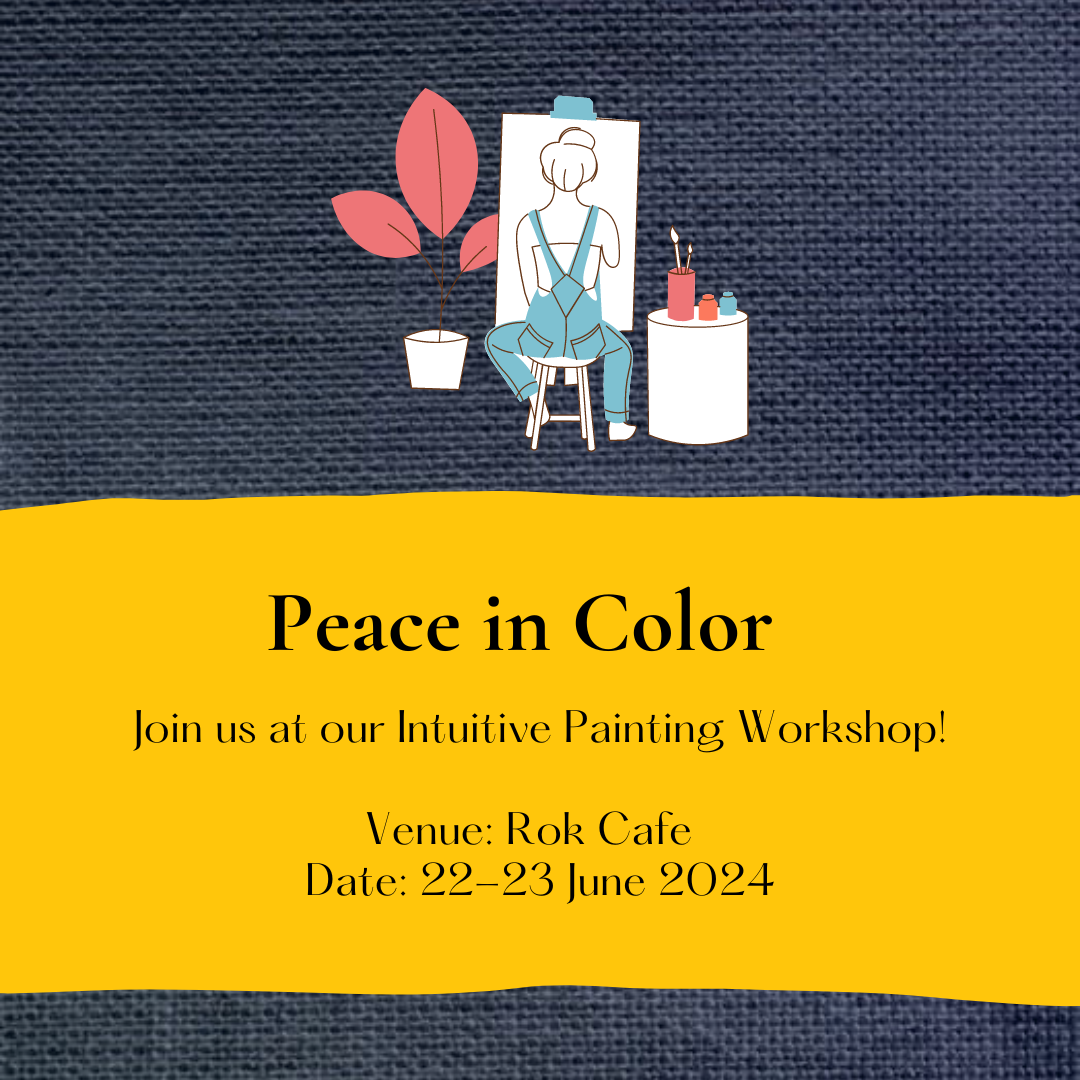
Peace in Color- Intuitive Art Workshop

Collaborative Creative Coaching
with Samantha Hanson and Tina Gray Siebers

Are you ready to explore your creativity, overcome fears, and reconnect with your inner child? Join our Intuitive Art Intensive Workshop, a transformative experience designed to help you express yourself, face challenges, and find joy in artistic expression. No prior art experience is necessary—just bring your willingness to explore and create.

This is a two-day intensive workshop, led by two professional counselors—one a registered art therapist. However, this is not a therapy group! It is a small retreat from daily life, designed to guide participants through an intuitive painting process.

Workshop Goals:
Try Something New: Step outside your comfort zone.
Overcome Fear: Let go of the fear of failure or judgment.
Self-Discovery: Learn how you handle challenges.
Feel Positive: End with a sense of achievement.
Have Fun: Enjoy playful, creative activities.
Stress Relief: Take a refreshing break from daily stress.

Workshop will include
Open mindedness and experimentation in a judgement free zone,
Setting Intentions
Warm-Up Exercise: “Zen Tangle”
Independent Reflection and Sharing
option to purchase beverages on site at ROK cafe

Disclaimer: This is a vulnerable open space. Be mindful of sharing work that may be considered taboo outside of the workshop with non participants who may not understand.

Join Us June 22 and 23rd – Registration closes June 17th and space is limited to 8 attendees!
4 minimum needed to hold the workshop.

Perfect for all skill levels, our workshop offers a supportive and enriching environment to unlock your creative potential.Secure your spot today to avoid missing out as spots are filling up fast. Don’t let the stress of the week distract you—reserve now!

For more information and to register, visit Here. We look forward to creating with you!


**please note spots are non refundable due to the time and preparation to prepare for your seat we appreciate your understanding if you are a no show or notify us day of, of no attendance.**

seven white closed doors
Going solo

Describe a risk you took that you do not regret.

This was probably the riskiest thing I have ever done. Adulting, living on my own in a one income household, deciding I needed to take better care of myself by being my own boss with my own rules. This meant losing work covered health insurance, expecting inconsistent pay and suddenly a lot more work on my plate-not only being the therapist but also the boss, HR, administrative assistant, biller, anything else I hadn’t even thought of up until that point. All the hats that make up an office/clinic.

pen calendar to do checklist
Photo by Breakingpic on Pexels.com

I definitely do not regret it though, despite it being a lot of hats and a lot of work, its fulfilling and I know I’ve helped a good amount of people. Do I somedays want to go work at Petco or Starbucks, absolutely, and only do simple things and let others take control… yes, I have those days, but they are few and far between.

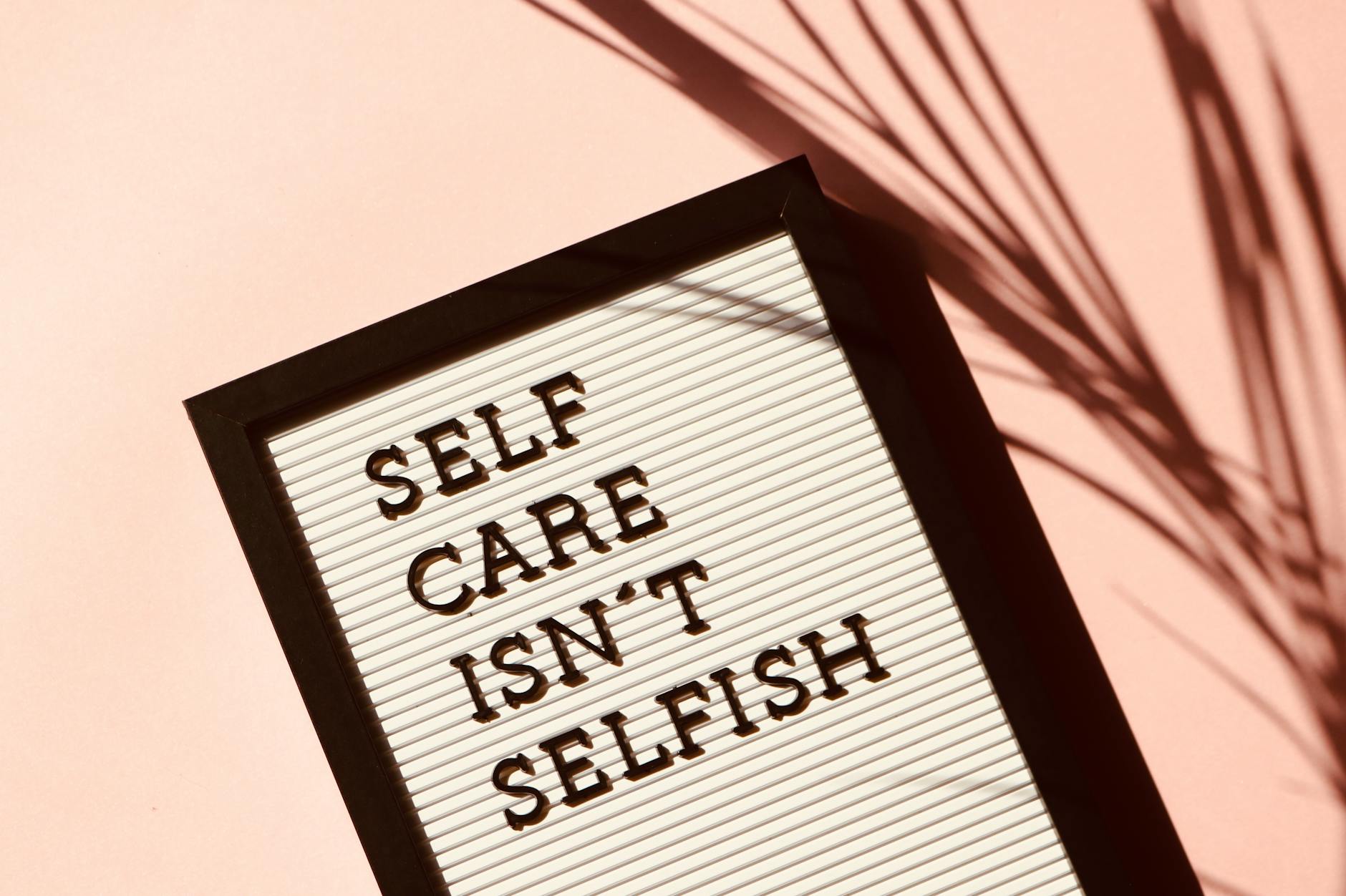
self care isn t selfish signage
How does a therapist do self care?

How do you unwind after a demanding day?

Every-once in a while I get asked about my own hobbies or self-care. A popular question is does a therapist have a therapist? Yes, a therapist is human top, and as we hear all of the stories around us it’s important to engage in our own therapy and forms of self-care.

self care
Photo by Taryn Elliott on Pexels.com

Do I doom scroll or hyper fixate on things like art supplies and have about 20 projects going at once? Of course! All in moderation of course, finding that balance for myself as I promote to clients. Somedays are harder than others, so figuring out a routine and not beating myself up if I can’t stick to it.

I make sure to take care of my pet’s needs, as animals are sassy and they technically own my home, and then make sure I’m fed and comfortable. A goal this year is to read more and work on some of those 20 projects listed above. I’m also trying out new puzzle games and brought out sudoku books, I’m terrible with math but I love me a numbers style organization puzzle!

crafting
Photo by Suzy Hazelwood on Pexels.com

On days I’m home before dark and its good weather I take the dogs for a walk, for both them and me and schedule weekly walks with my meetup group “walk and talk Fox cities meetup!” Now that the weather is hopefully getting nicer. We are established on meetup.com and newly on Facebook! Check-us out sometime.

What do you do for self care?

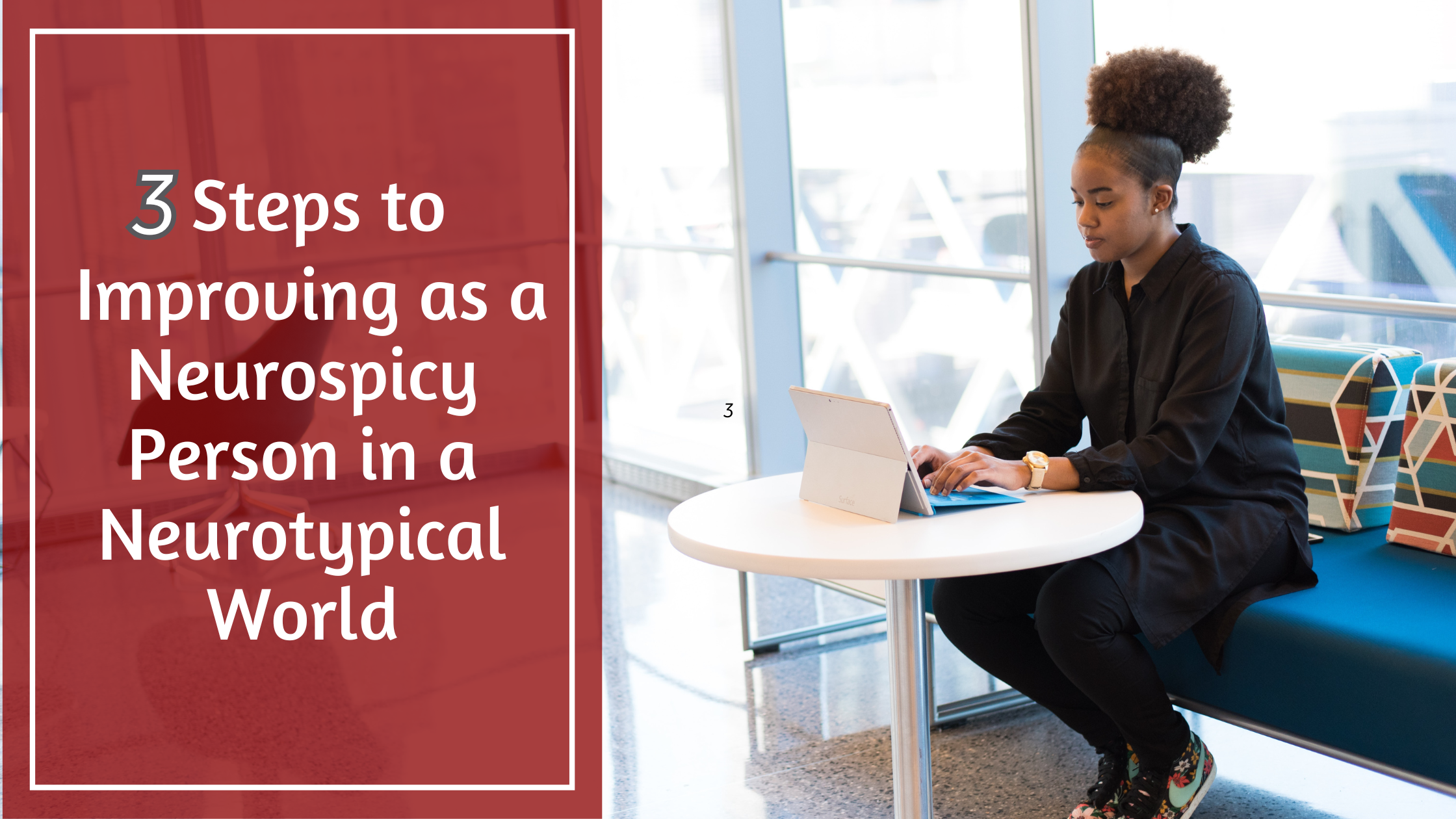
3 Steps to Improving as a Neurospicy Person in a Neurotypical World

As you know being neurospicy means you interact with the world a little differently. The positive side of that is people with these unique traits have qualities and strengths that neurotypical individuals would not have. Someone with neurospicy traits sometimes needs help to navigate the world around them and help their unique perspective operate being a neurodivergent person in a world not built for them. 

I grew up as the weird kid who missed school due to health issues and struggled greatly due to undiagnosed ADD and I lacked the social skills to fit into my neurotypical surroundings. Don’t worry IT DOES GET BETTER!!! In college, I learned the skills to manage (and embrace) my neurospiciness and move on to graduate and OWN a successful art therapy business. Now I help many people function as a neurospicy individual as a life coach. My clients look to learn how to survive their quirks, build confidence, and embrace their unique individual traits as superpowers. 

It’s important to remember that it is out of your control how your quirks come to be, this is my focus with clients in my life coaching program. Your focus should be on what you CAN control, therefore here are 3 steps on how to simplify your life and help you survive this neurotypical world.

1.  Study your routine: Observe your day-to-day, grab a notebook, and write down your daily routine (yes I know, lists … remembering to write things down, it’ll be worth it, trust me). Keep this list simple, make check marks, smileys, doodles, stickers, stamps, etc., and make it fun. Whatever helps you to know what works (and what doesn’t) within your routine. Do this for several days, a week, or even two weeks. Make note of the people you interact with, the feelings that are influenced by various interactions or stimuli or tasks, and all barriers to accomplishing what you need to do. Just be certain to keep it detailed.

2. Adjust your routine: Try something new. See where you can trim things down and what can be simplified. It helps to ask yourself some of the following questions: What’s too much? What’s too stressful? What do you absolutely NEED in your schedule? Or what are some things that could change? Would parts of your routine work better in the morning rather than before bed? Set alarms to remind yourself of the changes that you make, including changes made to your job, however that may apply to your personal situation. Different choices made in your routine will influence how you respond to stress and manage to get through each day. 

For example, you have a certain medication that you must take daily to just exist as a human being. If it isn’t being taken as prescribed by keeping the medication in your bathroom cabinet, what about moving it to your nightstand? That way it’s one of the first things you see when you wake up and helps you to remember to take the medication, add a post-it note to it to grab your attention. Do this for a few days and evaluate if it makes a difference in your routine. If it doesn’t work then try another solution for a few days.  

3. Change your mindset: To be consistent throughout the first two steps, you need to change how you view things, i.e. your perspective. In college, I always thought that I was a bad communicator but a counselor asked me if this was how people made me feel or if that was how I truly felt about my communication strategies. I realized that this was how people made me feel, how they responded and talked to me that I thought that I was doing something wrong. Since then, I have done a lot of my own research on the topic, and depending on what is internally going on with that person’s day will change how they perceive what I am saying. This may not be the case in all situations, maybe you will have to learn new strategies to function in the world better or have better interactions with other people. It’s always good to have feedback on yourself, but if it’s not valid, if it’s truly a “them” problem, then it’s better to make a note of it, accept that you can’t control it, and try not to personalize it. BUT if it is a “you” problem, what can you observe and adjust to improve this mindset. 

So how does this help you build confidence and embrace your quirks? By building consistency in your routine, you will feel confident that YOU CAN get things done, or get that medication taken. By changing the mindset you are finding the triggers that may be causing additional stress and learn to recognize this and adjust your viewpoint. All of this will allow your brain to have a break from trying to keep up with all the tasks that need to be accomplished because it is now a habit in your routine, eliminating some stressors under your control. Ultimately helping you feel better about yourself. This alone will begin to help you feel better both physically and mentally. This is exactly what I do to help my clients as a life coach, one step at a time, you can find out more about my program HERE.