Samantha Hanson, LPC, ATR, Clini-Coach®

Category painting as meditation

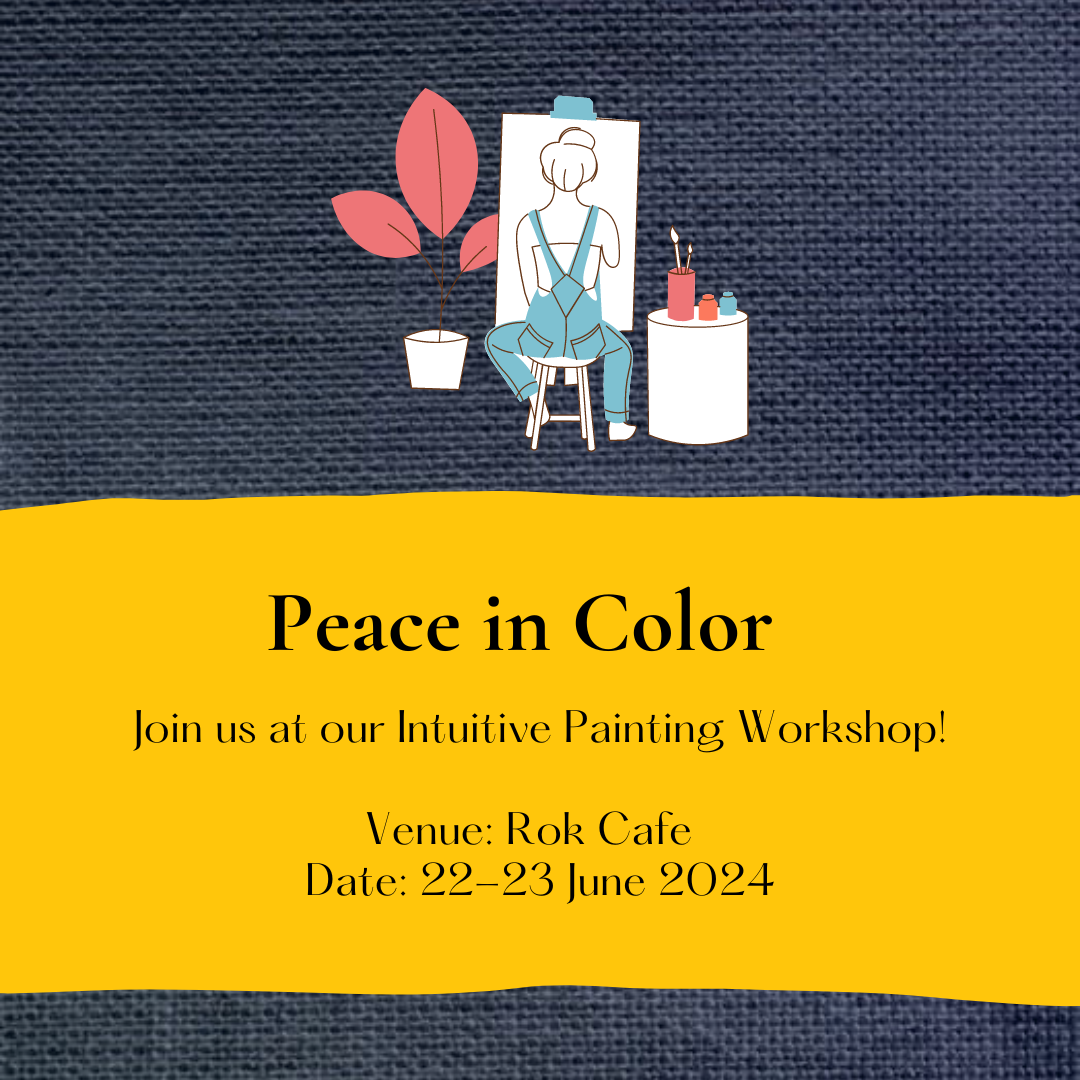
Pop Up Workshop-Take a break from the chaos, Oshkosh March 29th!

Intuitive Art Workshop time! Spring Savings, due to the world being on fire, I have lowered the cost to assist with difficult times.

Pop-Up Intuitive Art Workshop – Take a Break from the Chaos

The world feels like it’s on fire, and we could all use a breather. So let’s take a break from the stress, step away from the noise, and create—individually, together.

I’m hosting a pop-up intuitive art workshop, and I’ve lowered the price because, well, life is hard right now. This is a space to reconnect with yourself, express freely, and find a little peace through creativity. No experience needed—just show up as you are.

What to Expect

🎨 All supplies provided – just bring yourself!
🎶 Music in the background to set the mood.
🖌️ Light structure to guide the process, but plenty of freedom to explore.
🗣️ Time to reflect at the end (if you choose).
🥤 Water and light snacks included. Feel free to bring your own lunch, snacks, or drinks.

How to Join

Spots are limited due to space, and reservations are required. If any seats remain open, I’ll announce them the morning of for first-come, first-served attendees.

Let’s take a breath, make some art, and create a little calm together. Hope to see you there!

📍 404 N Main -Old bank- Fifth Floor suite 503
📅 March 29th 12-2 pm
💌 Reserve your spot now! Spots are limited, a waitlist will be created and you will be contacted if spots open up – Samantha will send along the payment link once you contact her.

← Back

Thank you for your response. ✨

Warning
Warning
Warning
Warning.

Expressing the Unconscious Mind Through Abstract Art – how intuitive art workshop could help you

Unleashing Creativity: How Abstract Art Dissolves Emotional Blocks

Art has long been recognized as a therapeutic outlet, offering a way to process emotions and experiences that words alone cannot capture. Among the various forms of artistic expression, abstract art stands out for its unique ability to bypass the conscious mind, allowing individuals to connect directly with their inner selves. By embracing abstract art, especially through intuitive art workshops facilitated by a licensed professional, individuals can unlock their creativity and dissolve emotional blocks, paving the way for personal growth and healing.

The Power of Abstract Art to Dissolve Emotional Blocks

Emotional blocks often stem from unprocessed experiences, unresolved conflicts, or suppressed feelings that linger in the unconscious mind. These barriers can manifest as stress, anxiety, or an inability to move forward in life. Abstract art provides a channel to explore and express these buried emotions without the constraints of form, structure, or judgment.

When individuals create abstract art, they are encouraged to let their intuition guide them. This process of surrendering control fosters a sense of freedom, enabling emotions to surface and flow onto the canvas. Through color, texture, and movement, participants can externalize their inner world, gaining clarity and relief in the process. The very act of creating—of moving the brush, splattering paint, or layering shapes—can be profoundly cathartic, breaking down mental and emotional barriers.

Intuitive Art Workshops: A Guided Journey Within

Me as a provider and a licensed professional with expertise in mental health and creative arts, now offers workshops specifically designed to explore the power of abstract art. These intuitive art workshops provide a structured yet flexible environment where participants are guided to connect with their unconscious mind. The group setting fosters a sense of community, reducing feelings of isolation and encouraging shared growth.

Workshops often incorporate mindfulness practices, such as guided meditations or breathing exercises, to help participants center themselves before beginning their art. Mindfulness in these sessions might also include creative mindfulness techniques or humor to break the ice and neutralize incoming expectations. This approach can ease participants into the process, fostering openness and assisting in accessing the subconscious mind. Facilitators offer prompts or techniques that encourage participants to delve deeper, but there are no rigid rules—allowing the creative process to unfold naturally.

The Value of Investing in Your Emotional Well-Being

While the cost of an intuitive art workshop may be higher than self-guided art sessions, the benefits far outweigh the investment. These workshops, led by a licensed professional, offer:

  1. Professional Expertise: The facilitator’s training and experience ensure participants feel supported and guided throughout the process.
  2. Enhanced Creativity: Structured exercises and prompts inspire participants to push their creative boundaries, often resulting in unexpected breakthroughs.
  3. Community Connection: Sharing the experience with others fosters a sense of belonging and mutual understanding.
  4. Lasting Impact: Participants often leave with not only a completed piece of art but also a renewed sense of clarity and emotional freedom.

Investing in such workshops is an investment in yourself—in your emotional health, self-expression, and personal growth. The tools and insights gained in these sessions often extend far beyond the canvas, influencing how participants approach challenges and relationships in their daily lives.

Conclusion

Abstract art is more than a creative outlet; it is a powerful tool for emotional release and healing. By dissolving emotional blocks and connecting with the unconscious mind, individuals can achieve a sense of freedom and clarity that transforms their inner and outer worlds. These workshops, facilitated by a licensed professional, provide a unique opportunity to harness this power in a guided, supportive environment, making them well worth the investment. Whether you are seeking to heal, grow, or simply reconnect with yourself, abstract art offers a path to profound discovery and transformation.

woman in white top looking at corkboard
Creating Your ‘Future Self’ Through Vision Boards and Art

Creating Your ‘Future Self’ Through Vision Boards and Art

woman in white long sleeve shirt holding pink and white floral textile
Photo by Mikhail Nilov on Pexels.com

The power of vision boards and symbolic art goes beyond simply setting future goals — it’s about aligning with the emotions you want to experience in your ideal life. By visually representing your aspirations, you make abstract desires tangible and more achievable. Whether through collages, drawings, or mixed media, these creative tools offer a unique way to connect with your ‘future self.’

Imagine placing your dreams onto a board or canvas and allowing your imagination to shape a version of yourself that you’re excited to become. This process can be both empowering and motivating, as it clarifies what you want to manifest and helps you focus on taking actionable steps toward that future.

An alternative to using a vision board or canvas is creating a visual journal. This method allows for greater flexibility and personal exploration as you craft different pages to represent various aspects of your life. Each page can be dedicated to different moments, emotions, concerns, or goals, using a mix of media such as collage, drawing, painting, photography, and even writing. By incorporating different types of materials and techniques, you can express the complexity of your journey, creating a dynamic and evolving record of your personal growth. A visual journal offers a unique space to reflect on progress, address challenges, and keep track of your goals, all while providing a rich, creative outlet for self-expression and transformation.

Advanced Approaches with Art Therapy & Creative Mental Health

Empowerment Through Creativity: Art can be a powerful tool for empowerment, especially for those dealing with difficult emotions. By engaging in creative expression, individuals can gain a sense of control over their feelings, transforming negative experiences into something positive and meaningful. Art therapy allows clients to re-frame their emotional struggles, using their creativity to overcome challenges.

Symbolism as Healing: One of the most profound elements of art is symbolism. Through art therapy, clients can represent their internal world with symbols — whether it’s through colors, shapes, or figures — and explore what those images mean. This process can be an insightful way to understand both unconscious struggles and aspirations, helping to identify key emotional hurdles and providing a roadmap for healing.

Holistic Integration: Art therapy isn’t just a standalone technique; it complements traditional forms of therapy like talk therapy. By integrating creative practices — such as creative writing, dance, or music — alongside conventional therapeutic methods, individuals are given alternative ways to express and process emotions. This holistic approach helps to tap into a deeper layer of self, offering a fuller, more balanced path to mental wellness.

Self-Discovery & Personal Growth: Creativity is a tool for self-discovery. Through the process of making art, individuals can tap into their unconscious mind and uncover hidden thoughts and feelings. This journey of exploration offers a fresh perspective on their life situation and helps them develop new ways of seeing themselves and their potential.

Self-Expression Without Words: For some, emotions are difficult to articulate verbally, especially when they are intense or traumatic. Art offers a non-verbal means of expression, allowing individuals to communicate their feelings without having to put them into words. This method provides a safe space for individuals to explore and release emotions that may otherwise feel too overwhelming to express in conversation.

By combining the power of vision boards, visual journals, and art therapy, individuals can create a tangible connection to their goals and emotions, ultimately paving the way for a future filled with growth, healing, and self-discovery. Through these creative tools, they can gain a deeper understanding of themselves and embark on a journey toward becoming their ‘future self.’

Differences between Intensive Workshops and Therapy Groups ( make social posts from this )

Within mental health and personal growth, individuals often seek various forms of support and interventions to navigate their challenges and improve their well-being. Two common options that people consider are therapy groups and intensive workshops. While both serve as valuable tools for self-exploration and development, they differ in their formats, goals, and approaches. Here, we will explore the differences between therapy groups and intensive workshops to help you better understand which option may be most suitable for your needs.

Therapy Groups:
Therapy groups typically consist of a small number of individuals who come together regularly, facilitated by a trained therapist or counselor. These groups provide a safe and supportive environment for members to explore their thoughts, feelings, and behaviors, and to gain insights into their challenges and strengths. Therapy groups may focus on specific issues such as anxiety, depression, trauma, or relationship issues, and members often share their experiences, offer feedback, and learn from one another’s perspectives.

Key Characteristics of Therapy Groups:

  1. Regular meetings over an extended period (e.g., weekly or bi-weekly sessions).
  2. Led by a trained therapist or counselor who facilitates discussions and provides guidance.
  3. Emphasis on sharing personal experiences, processing emotions, and gaining self-awareness.
  4. Opportunity for members to receive support, feedback, and validation from peers.

Intensive Workshops:
Intensive workshops are typically short-term, immersive experiences that focus on a specific theme or goal, such as stress management, communication skills, or personal growth. These workshops may last anywhere from a few hours to several days and often involve a structured curriculum, experiential activities, and group exercises aimed at fostering insight, learning new skills, and promoting personal transformation. Intensive workshops can be intense and emotionally challenging, but they also offer a concentrated opportunity for deep exploration and growth.

Key Characteristics of Intensive Workshops:

  1. Short-term and immersive experience, often lasting a few hours to several days.
  2. Structured curriculum with specific goals and learning objectives.
  3. Incorporation of experiential activities, role-playing, and group exercises.
  4. Focus on personal growth, skill-building, and transformative experiences.

Choosing Between Therapy Groups and Intensive Workshops:
When deciding between therapy groups and intensive workshops, it’s important to consider your specific needs, preferences, and goals. Therapy groups are ideal for individuals seeking ongoing support, deeper self-exploration, and interpersonal connection over an extended period. On the other hand, intensive workshops are well-suited for those looking for a quicker, focused experience to learn new skills, gain insights, and jumpstart personal growth in a shorter timeframe.

Ultimately, both therapy groups and intensive workshops can be valuable resources for individuals searching to improve their well-being, develop self-awareness, and cultivate meaningful connections with others. By understanding the differences between these two options, you can make an informed decision that aligns with your unique needs and aspirations on your journey toward personal growth and healing.

Make sure to check out the new Intuitive Painting Workshop here!