
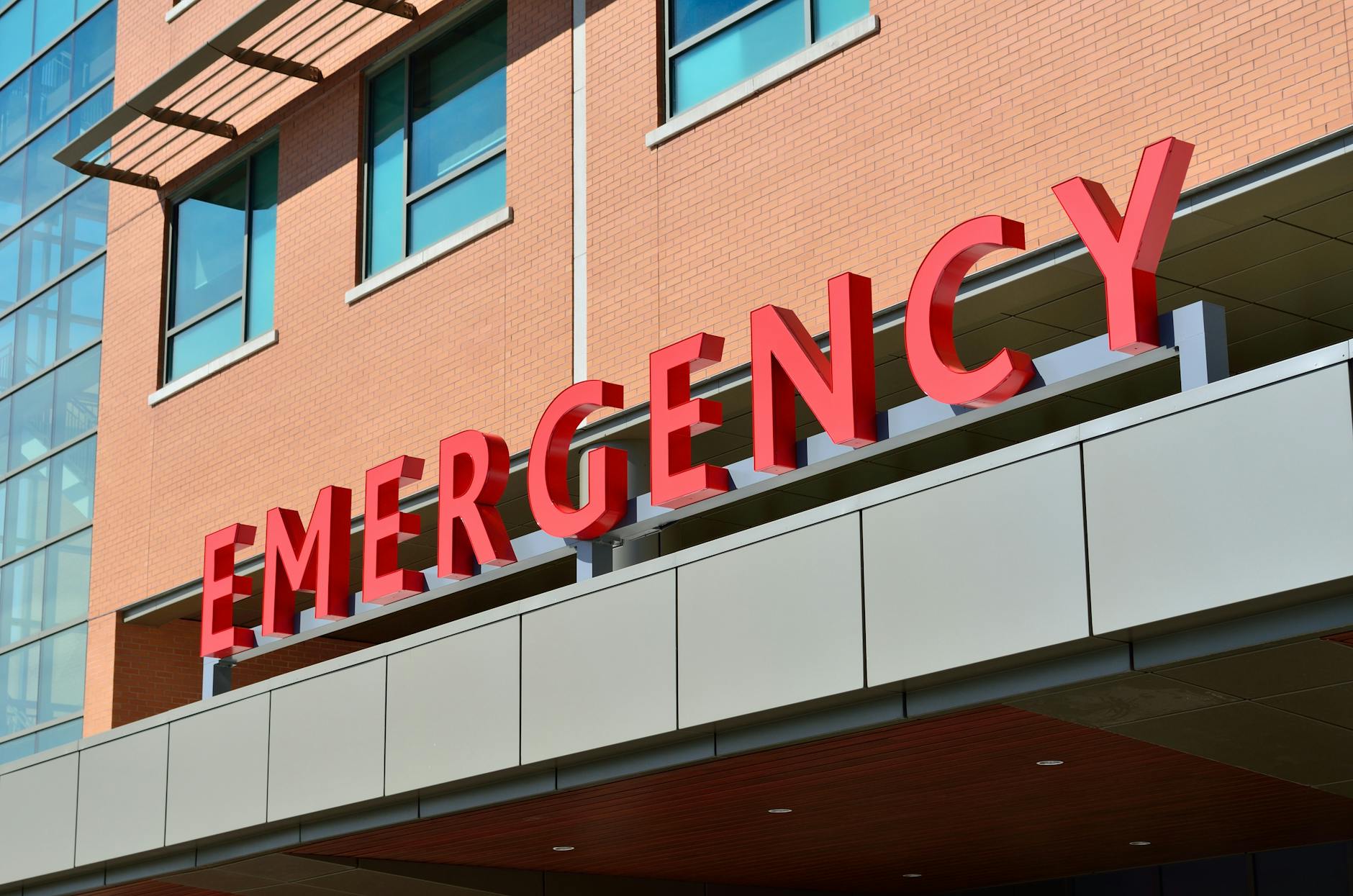


September is National Preparedness Month, a time to focus on planning ahead for natural disasters, emergencies, and unforeseen events that can impact your home, family, and community. Being prepared not only helps protect your safety and well-being but also brings peace of mind. This month serves as an important reminder to evaluate how ready you are for emergencies like floods, hurricanes, wildfires, and other natural disasters, as well as health and security threats.
Here’s a guide on how to get started with emergency preparedness, including tips on building an emergency kit, creating a family communication plan, and staying informed during crises.

1. Build an Emergency Kit
One of the most important steps in preparing for emergencies is creating a well-stocked emergency kit. This kit should have enough supplies to sustain you and your family for at least 72 hours in the event of a disaster. Tailor the kit to meet your family’s specific needs, including pets, children, or any medical conditions.
What to Include:
- Water: At least one gallon per person per day for drinking and sanitation.
- Non-perishable food: A three-day supply of easy-to-prepare items, such as canned goods, granola bars, and dried fruit.
- First aid kit: Include bandages, antiseptics, over-the-counter medications, and any prescription medications.
- Flashlight and batteries: In case of a power outage, flashlights or battery-powered lanterns are essential.
- Multi-tool: A utility tool with items like scissors, pliers, and a knife can be invaluable during emergencies.
- Radio: A battery-powered or hand-crank radio to stay informed about weather alerts or emergency broadcasts.
- Personal hygiene items: Soap, hand sanitizer, feminine hygiene products, toothbrushes, and other personal care items.
- Extra clothing: Warm layers, rain gear, and sturdy shoes for each family member.
- Blankets or sleeping bags: Especially if you live in a colder climate.
- Copies of important documents: Keep insurance policies, identification, and bank information in a waterproof, portable container.
- Cash: In case electronic payment systems are down.
- Whistle: To signal for help if necessary.
- Face masks: To protect from dust, smoke, or airborne debris.
- Local maps: In case you need to navigate without GPS.
Additional Items:
- Pet supplies: If you have pets, make sure you have extra food, water, and any necessary medications for them as well.
- Baby supplies: For families with infants, include diapers, baby food, and formula.

2. Create a Family Communication Plan
During an emergency, communication systems may be disrupted, and it can be difficult to reach family members. Having a communication plan in place ensures that everyone knows how to stay in touch and where to go if separated.
Steps to Create Your Plan:
- Pick a meeting place: Choose a primary meeting location close to your home and a secondary location farther away in case you need to evacuate the area.
- Emergency contacts: Identify an out-of-town contact, as it’s often easier to make long-distance calls during local disasters. Ensure everyone in your family has this person’s contact information.
- Share contact info: Make sure every family member knows important phone numbers, including those of family members, neighbors, and local emergency services.
- Text over call: During an emergency, text messages may go through faster than phone calls. Encourage family members to text instead of calling to conserve phone battery and ensure messages get through.
- Review the plan regularly: Go over the communication plan with your family regularly, especially if your household includes children. Make sure they know what to do and whom to contact in case of an emergency.

3. Stay Informed: Emergency Alerts and Evacuation Routes
Staying informed about potential risks in your area is crucial for emergency preparedness. Knowing the specific threats you might face, such as hurricanes, tornadoes, wildfires, or earthquakes, will help you tailor your plans accordingly.
Ways to Stay Informed:
- Sign up for alerts: Enroll in community warning systems like weather alerts, evacuation notices, and local emergency broadcasts. Many regions offer text or email notifications.
- NOAA Weather Radio: Keep a National Oceanic and Atmospheric Administration (NOAA) weather radio on hand to receive critical weather information and alerts, even during power outages.
- FEMA app: Download the Federal Emergency Management Agency (FEMA) app for alerts, safety tips, and information about shelters and recovery centers in your area.
- Local emergency services: Familiarize yourself with your city or county’s emergency management website. These sites often provide evacuation routes, shelter locations, and guidance for specific disasters.
Know Your Evacuation Routes: If you live in an area prone to natural disasters like hurricanes, floods, or wildfires, it’s essential to know the evacuation routes ahead of time. Your community should have designated routes and shelters, which you can research in advance. Practice your evacuation plan with your family to ensure that everyone knows how to leave quickly if necessary.

4. Prepare for Specific Natural Disasters
Different regions face different types of disasters, so tailor your preparations to the risks in your area. Here are a few examples of how to prepare for common emergencies:
- Hurricanes: If you live in a hurricane-prone area, install storm shutters or reinforce windows. Keep your emergency kit ready, know evacuation routes, and make sure to secure outdoor objects that could become projectiles in strong winds.
- Wildfires: For those in wildfire zones, create a defensible space around your home by clearing dead vegetation and debris. Have a “go bag” ready with essentials like N95 masks, fireproof blankets, and water. Stay informed about nearby fires and have a plan to evacuate quickly if needed.
- Floods: If you’re in a flood-prone region, elevate important appliances (like furnaces and water heaters) and store valuables in waterproof containers. Never drive through flooded roads—turn around and seek higher ground. Have an evacuation plan ready, especially if you live near rivers or in low-lying areas.
- Earthquakes: If earthquakes are common in your area, anchor heavy furniture to walls, secure water heaters, and know how to “drop, cover, and hold on” during a quake. Store shoes and a flashlight near your bed in case you need to navigate through broken glass or debris at night.

5. Prepare Your Home
Your home is your sanctuary, and taking steps to make it disaster-ready is key to ensuring your family’s safety during an emergency. Even if you aren’t in a high-risk area, it’s good to practice general preparedness.
Steps to Prepare Your Home:
- Install smoke detectors and carbon monoxide alarms: Check and replace batteries at least twice a year.
Identify shut-off valves: Know how to shut off utilities like gas, water, and electricity in case of an emergency.
Create a safe room: Designate a secure spot in your home where your family can gather during severe weather or a tornado. Ideally, this room should be away from windows and reinforced if possible.
Secure heavy furniture and appliances: In earthquake-prone areas, anchor bookshelves, TVs, and other heavy items to prevent them from falling.
Prepare for power outages: Keep extra blankets, battery-operated lights, and non-perishable food in case of extended power outages.
6. Practice Drills and Safety Skills
Preparedness goes beyond simply gathering supplies. Practicing what to do in an emergency will help ensure that you can act quickly and confidently when the time comes.
7. Practice Safety:
Teach children how to use a fire extinguisher, call 911, and recognize when to leave the house during a disaster. Learn basic first aid and CPR. Local community centers or Red Cross chapters often offer classes on emergency response and lifesaving skills.
Final Thoughts: Be Proactive, Not Reactive
National Preparedness Month is a reminder that emergencies and natural disasters can happen at any time. Taking the time now to plan and prepare ensures that you and your loved ones will be ready to act when the unexpected occurs. Whether it’s building an emergency kit, creating a family communication plan, or practicing evacuation drills, the key is to be proactive, not reactive.
By preparing for disasters, you are not only protecting your home and family but also contributing to the safety and resilience of your entire community. Preparedness isn’t about living in fear—it’s about taking control and knowing you have the tools to stay safe in any situation.
